
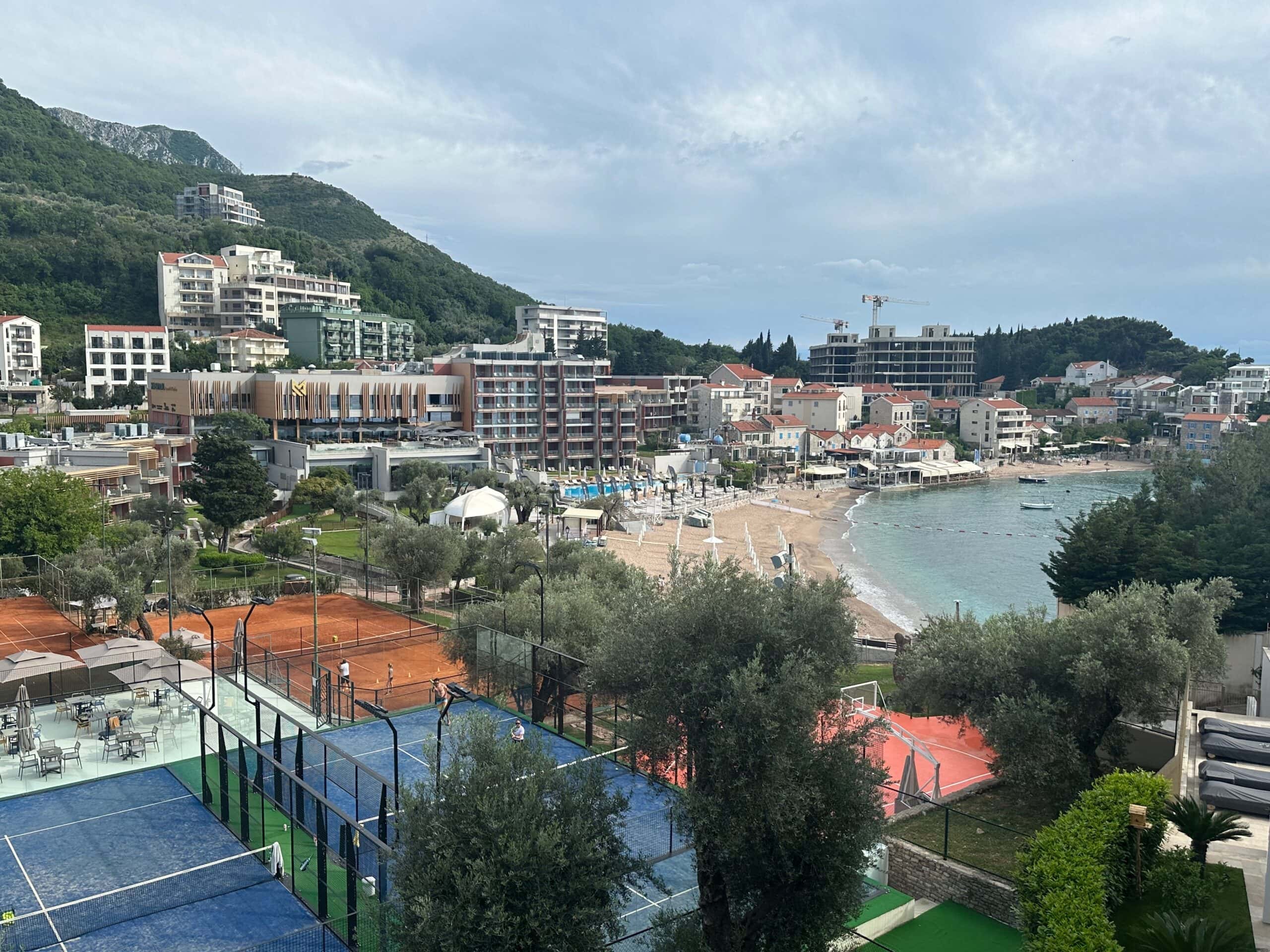
How To Rent Out Your Montenegro Property

I have rented out my property in Montenegro since spring 2025. It took me a little while to fully understand exactly what was required of me before renting out. This is why I created this guide covering everything from learning about the local rental market and tax obligations to finding tenants and expanding your rental business. You’ll learn about the different types of properties that work well for rentals, how to handle the licensing process, and ways to protect yourself legally while maximizing your rental income.
Renting out your property in Montenegro can be a smart way to earn extra income from your real estate investment. The country’s growing tourism industry and expat community create steady demand for both short-term vacation rentals and long-term housing options. Foreigners can legally rent out property in Montenegro by obtaining the proper licenses and following local registration requirements.

Plan Your Property Investment
With My Trusted Resources
– Make money transfers for less with: Wise
– Book your flights and hotels: Trip.com
Booking.com
– Book your airport transfers here: Kiwitaxi
– Rent cars here: DiscoverCars & LocalRent
– Hire affordable shipping services here: Eurosender
Table of Contents
Is Montenegro a Good Place to Invest in Real Estate?
Montenegro has become a hot spot for property investors in 2026. The country offers strong growth potential and attractive tax benefits that make it stand out in Europe. I cover this more in detail in 10 reasons to buy property in Montenegro.
Tourist demand is driving the real estate market forward. Digital nomads and vacationers are flocking to Montenegro’s coast and cities. This creates steady rental income opportunities for property owners.

The tax advantages in Montenegro are hard to beat. You’ll find lower property taxes compared to other European countries.
Property prices are still affordable compared to Western Europe. You can find good deals on apartments and houses that would cost much more in Italy or France.
The rental market works well for both short-term and long-term strategies. Tourist rentals can generate high returns during summer months. Long-term rentals provide steady income year-round.
Foreign buyers face few restrictions when purchasing Montenegro real estate. The buying process is straightforward for most property types.
Montenegro’s EU candidacy status adds future growth potential. As the country moves closer to EU membership, property values could increase significantly.
The combination of affordable prices, strong rental demand, and favorable taxes makes Montenegro an attractive investment destination for your real estate portfolio.
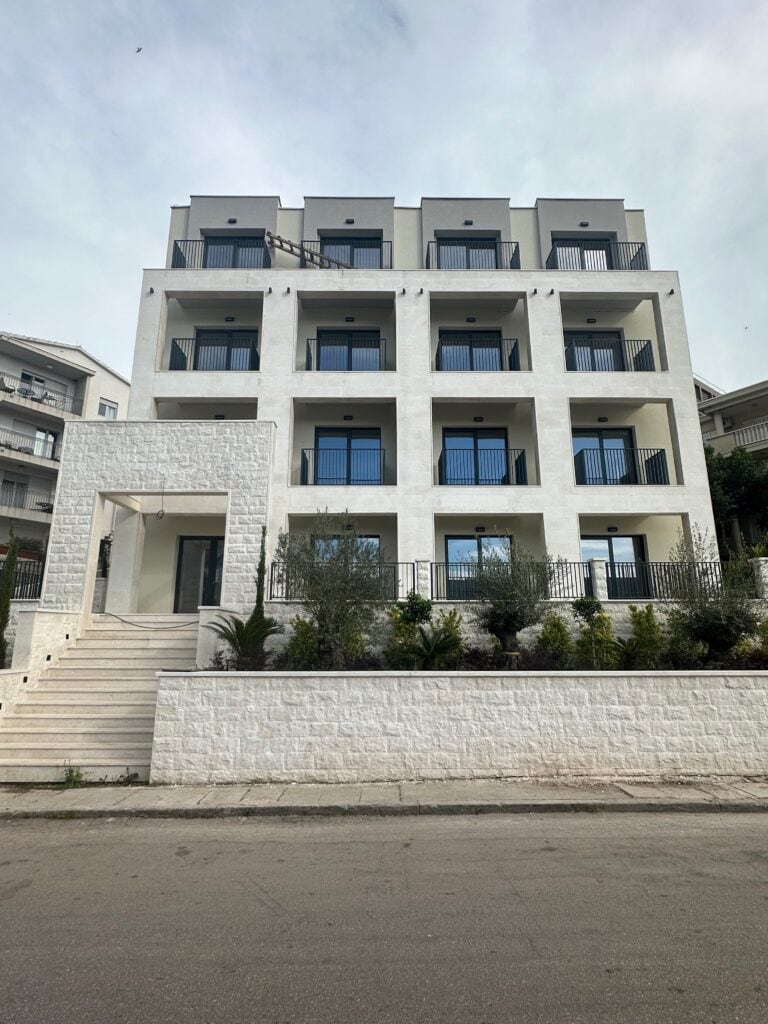
An Overview of the Rental Market in Montenegro
Montenegro’s rental market has been growing steadily in recent years. You can choose between short-term and long-term rental options. Short-term rentals work well for tourist areas, while long-term rentals provide steady monthly income.
Montenegro attracts both local renters and international tenants. Many foreigners look for rental properties while working remotely or relocating to the country.
Rental yields vary by location:
- Coastal areas: Higher seasonal income
- Inland cities: Steady year-round demand
- Mountain regions: Lower but consistent returns
The real estate market has become more organized over the past few years. Online platforms make it easier to advertise your property to potential renters.
Most rental agreements are straightforward. You’ll find both furnished and unfurnished options work well, depending on your target market.
Your investment success depends on location, property condition, and how well you manage the rental process. Tourist areas require more work but can bring higher profits during peak season.
The market welcomes foreign property owners who want to rent out their real estate legally.
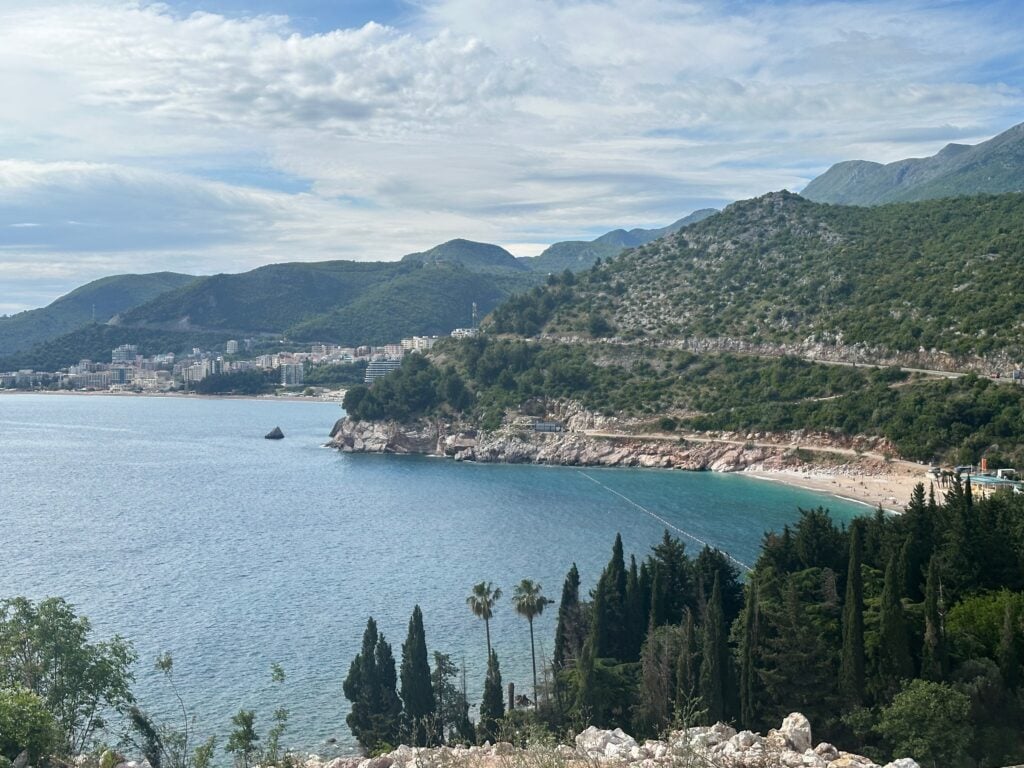
Can Foreigners Rent Out Property in Montenegro?
Yes, you can legally rent out your property in Montenegro as a foreigner. The country treats foreign investors equally to local property owners when it comes to rental market opportunities.
You need to follow the same rules as Montenegrin citizens. This includes getting proper licenses and registering your property with local authorities. Montenegro has clear rental laws for both short-term and long-term rentals.
Key Requirements for Foreign Property Owners:
- Proper licensing – Required for all rental activities
- Property registration – Must register with local authorities
- Guest registration – Tourist accommodations need guest check-ins
You must register guests on time to avoid fines. Local authorities require proper documentation for all rental activities.
- Tax compliance – Pay 15% tax on net rental income
Types of Properties
Montenegro offers two main property types for rental investment. Apartments provide steady income in urban areas, while villas attract premium tourists in coastal locations.
✔️ Apartments
Apartments make up most rental properties in Montenegro’s real estate market. You’ll find them in purpose-built buildings or converted from larger houses.
Urban apartments are most common in Podgorica and other cities. These properties attract long-term tenants like students and working professionals. Monthly rents stay steady year-round.
Coastal apartments near the Adriatic Sea earn more during summer months. Tourist demand drives higher prices from June to September. Winter income drops significantly.
✔️ Villas
Villas represent the premium segment of Montenegro’s rental market. These whole-house properties attract wealthy tourists and families seeking luxury stays.
Coastal villas generate the highest rental income. Properties near Budva, Kotor, or Tivat can earn €200-500 per night during peak season. Many include pools, gardens, and sea views.
Mountain villas appeal to nature lovers and winter sports enthusiasts. These properties work well for year-round rentals with steady booking rates.
These types of property investment require higher maintenance costs. However, villas often provide better long-term appreciation than apartments.
Head over to my Resources page for more useful recommendations for your property purchase process.
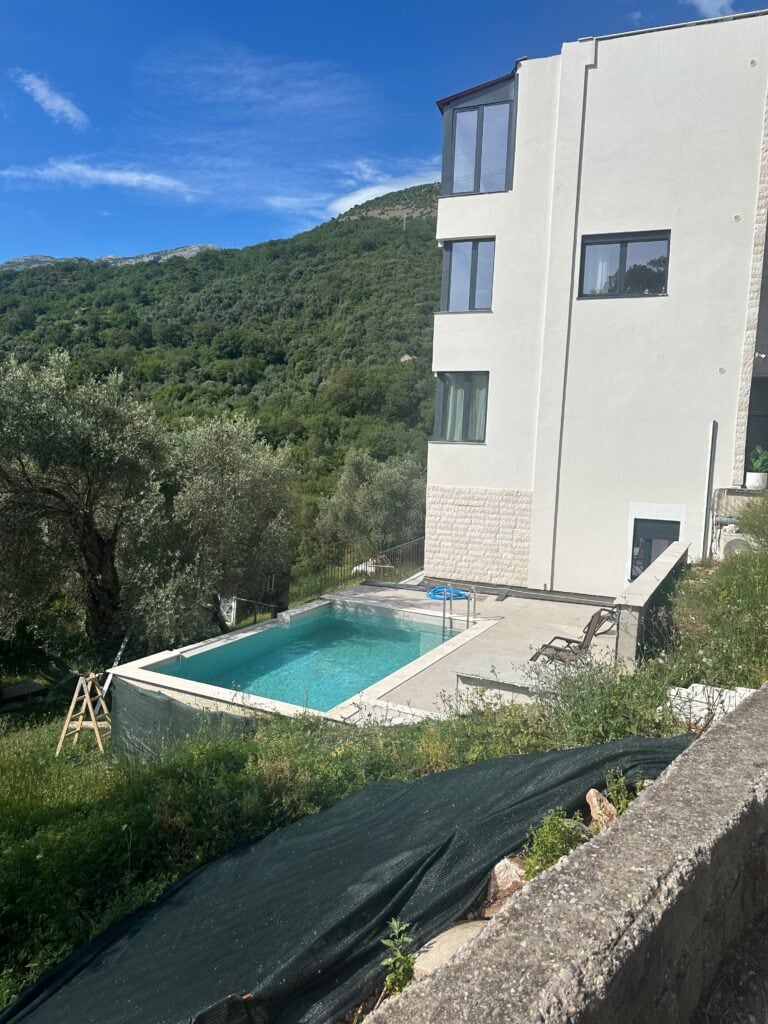
Step-by-Step Process to Rent Out Your Montenegro Property
Successfully renting out your Montenegro property requires following specific legal procedures, obtaining proper permits, and managing ongoing compliance requirements.
👉 Step 1: Choose the Right Property
Location plays a huge role in rental success in Montenegro. Coastal areas like Budva, Kotor, and Tivat attract the most tourists during summer months.
Mountain regions offer year-round appeal but typically generate lower rental income. Urban centers like Podgorica provide steady long-term rental opportunities.
Whether you pick off-plan, a new build or resale affects which rental strategy works.
Key factors to consider:
- Distance to airports and major attractions
- Parking availability
- Property condition and age
- Local amenities like restaurants and shops
Properties near beaches or historical sites command higher rates. You should also check if the building allows short-term rentals, as some residential complexes have restrictions.
The property title must be clear and in your name before you start renting. Any disputes or unclear ownership can create legal problems later.

👉 Step 2: Understand Local Rental Regulations
Montenegro has different rules for short-term and long-term rentals. Short-term rentals (under 30 days) need special tourism permits and guest registration.
Long-term rentals require registration with local authorities. All rental income gets taxed at 15% regardless of rental duration.
You must register as a rental property owner with the municipality where your property sits. This registration covers both legal compliance and tax obligations.
Required legal documents:
- Certificate of Ownership (List nepokretnosti)
- Property registration papers
- Tax identification number
- Municipal registration
Foreign property owners have the same rental rights as Montenegrin citizens.
👉 Step 3: Register Your Property with the Municipality
Visit your local municipality office to register your rental property. Bring your ownership certificate and identification documents.
The registration process usually takes 5-10 business days. You’ll receive a registration number that you need for other permits and tax filings.
Registration requirements:
- Completed application form
- Proof of property ownership
- Valid ID or passport
- Property tax payment receipts
Some municipalities charge small fees for registration. The exact cost varies by location but rarely exceeds €50.
You must update your registration if you change rental terms or property use. This includes switching between short-term and long-term rental models.
👉 Step 4: Obtain Tourism and Classification Certificates for Short-term Rentals
Short-term rental properties need tourism permits from the Ministry of Sustainable Development and Tourism. This applies to rentals under 30 days.
The classification certificate rates your property with stars based on amenities and quality. Higher ratings allow you to charge more rent.
Required standards for classification:
- Minimum room sizes and ceiling heights
- Private bathroom facilities
- Kitchen equipment for apartments
- Safety equipment like fire extinguishers
- Internet access and TV
The inspection process takes 2-4 weeks after submitting your application. An official will visit your property to verify it meets all standards.
You must renew these certificates annually. The renewal process is simpler than initial approval but still requires maintaining property standards.
👉 Step 5: Prepare the Property
Your Montenegro property needs proper furnishing and equipment before renting. Short-term rentals need complete furniture, kitchen supplies, and linens.
Long-term rentals can be furnished or unfurnished depending on your target market. Furnished properties typically rent for 20-30% more money.
Essential items for short-term rentals:
- Beds with quality mattresses and linens
- Kitchen appliances and cookware
- Bathroom towels and toiletries
- Cleaning supplies
- Air conditioning (essential in coastal areas)
- Wi-Fi internet connection
Check all utilities work properly including water, electricity, and heating. Install smoke detectors and ensure the property meets safety requirements.
Take professional photos for your listings. Good photos significantly increase booking rates and allow higher pricing.
Here’s how I renovated my own 32m² apartment.
👉 Step 6: Set Rental Pricing and List Your Property on Platforms
Research similar properties in your area to set competitive prices. Coastal properties earn €30-150 per night depending on size, location, and season.
Long-term rentals in Montenegro range from €300-800 per month for average properties. Premium locations command higher rates.
Popular rental platforms:
- Booking.com
- Airbnb
- Vrbo
- Local Montenegrin websites
Create detailed listings with accurate descriptions and high-quality photos. Include all amenities, house rules, and local attractions nearby.
Adjust pricing based on seasonal demand. Summer months (June-September) generate the highest rates for tourist properties.
👉 Step 7: Screen Tenants and Sign Contracts
Always screen potential tenants before accepting bookings. For short-term rentals, platform reviews provide basic screening.
Long-term tenants need more thorough checking including employment verification and references. Request proof of income and previous rental history.
Essential contract elements:
- Rental amount and payment schedule
- Security deposit terms
- Property rules and restrictions
- Maintenance responsibilities
- Termination conditions
Use written contracts for all rentals regardless of duration. Verbal agreements create problems if disputes arise later.
Security deposits typically equal one month’s rent for long-term rentals. Short-term platforms usually handle deposits automatically.
👉 Step 8: Register Guests with Local Authorities
Montenegro law requires registering all guests within 24 hours of arrival. This applies to both citizens and foreign visitors.
You can register guests online through the eUprava system or visit the police station in person. Keep registration records for tax purposes.
Required guest information:
- Full name and passport details
- Arrival and departure dates
- Previous address
- Purpose of visit
Failure to register guests results in fines up to €2,000. The penalties apply to property owners, not guests.
Some rental platforms provide guest information automatically. However, you’re still responsible for ensuring proper registration happens.
👉 Step 9: Collect Rent and Manage the Property
Set up reliable payment methods for rent collection. Bank transfers work well for long-term tenants in Montenegro.
Short-term rental platforms handle payments automatically but charge commission fees of 10-20%. Consider direct bookings to avoid these fees.
Property management tasks:
- Regular cleaning and maintenance
- Utility bill payments
- Guest communication and support
- Problem resolution
- Inventory management
You can hire local property management companies if you live elsewhere. They typically charge 15-25% of rental income for full management services.
Respond quickly to tenant issues and maintenance requests. Good service leads to positive reviews and repeat bookings.
👉 Step 10: Renew Licenses, Pay Taxes, and Ensure Compliance
Tourism permits and classification certificates need annual renewal. Start the renewal process 60 days before expiration to avoid gaps.
Make sure you pay the rental income tax of 15%. Non-resident taxpayers are asked to pay the tax on their short-term rental quarterly. Most other taxes are due annually.
👉 Step 11: Monitoring performance and adjusting strategies
Especially for short-term rentals, don’t forget to check guest reviews, reply to guest reviews on the platforms and revise your revenue. Are you making enough money from the rental whilst not incurring too many overhead costs? If your expenses are high and your rental income is barely covering those, then you may need to adjust your rental strategy. Speak to a local real estate agent or to other people with experience renting out properties.
Rental Licenses and Permits for Foreigners
In this section, I’d like to dig a bit deeper into the licenses and permits you require for renting out real estate.
💡Where and How to Apply for Licenses, and What’s the Processing Time?
You need to apply for rental permits at your local tourism office or municipal authority. The process starts with gathering your ownership documents and property certificates.
Required documents include:
- Certificate of Ownership (List nepokretnosti)
- Commissioning permit for new buildings
- Property tax certificates
- Valid ID or passport
The tourism office will review your application and schedule an inspection. Processing time usually takes 2-4 weeks depending on your location.
Some municipalities handle applications faster than others. Coastal areas like Tivat and Budva often have longer wait times during peak season.
You can check with your local municipality for specific requirements. Each area may have slightly different procedures or additional documents needed.
💡Renewal Process and Frequency for Rental Licenses
Rental licenses in Montenegro need renewal every year. You must submit your renewal application before your current permit expires.
The renewal process is simpler than the initial application. You typically need updated property tax documents and proof of compliance with safety standards.
Renewal requirements:
- Current property ownership documents
- Updated tax certificates
- Inspection compliance proof
- Previous year’s guest registration records
Submit your renewal 30-60 days before expiration. Late renewals may result in fines or temporary suspension of your rental permit.
Keep all your documents organized throughout the year. This makes renewal much easier and faster.
💡Guest Registration Requirements and Procedures
You must register every guest within 24 hours of their arrival. This applies to all tourists staying at your rental property.
Registration happens through the local police station or online system. You need guest passport information and arrival/departure dates.
Guest registration process:
- Collect guest passport details upon arrival
- Submit information to local authorities within 24 hours
- Keep records of all registrations
- Report departures when guests leave
Failure to register guests can result in significant fines. The penalty applies to both you and your guests.
Many property management companies can handle guest registration for you. This service costs extra but saves time and ensures compliance.
💡Permits Needed to List Property on Airbnb or Booking.com
Online platforms like Airbnb and Booking.com require valid rental permits before you can list your property. You cannot legally advertise without proper licensing.
Your rental permit number must be included in your listing. Platforms may ask for documentation proving your permit is current and valid.
Montenegro tourism authorities monitor online listings. They can fine property owners who advertise without permits or proper registration.
Platform requirements:
- Valid rental permit number
- Proof of current license
- Tax registration documents
- Guest registration compliance
Some booking sites may temporarily suspend listings if permits expire. Keep your documentation current to avoid interruptions in bookings.
💡Property Standards and Inspections Required for Legal Rentals
Your rental property must meet specific safety and quality standards. Inspectors check these requirements before issuing permits.
Basic requirements include:
- Fire safety equipment
- Proper electrical systems
- Clean water supply
- Adequate bathroom facilities
- Minimum room sizes
Properties can have up to 7 bedrooms or 15 beds for private rental permits. Larger properties need commercial licenses with stricter requirements.
Inspections happen during the initial permit application and may occur randomly afterward. Keep your property maintained to current standards at all times.
You may need additional permits for amenities like pools or outdoor kitchens. Check with local authorities about specific features at your property.
Taxes and Fees
Let’s take a look at the different costs, taxes and fees. I found the overall administrative costs and taxes not too overwhelming.
💸 Costs and Taxes for Obtaining a Short-Term Rental License
The licensing process involves administrative fees that vary by municipality. These fees typically range from €50 to €200 depending on your property location and size.
You must register each guest with local authorities when operating tourist rentals. This registration creates additional administrative work but is legally required.
Tourist tax applies to short-term rentals in designated tourist zones. You collect this tax from guests and pay it to local authorities.
The tourist tax amount varies by location and season. Most areas charge between €0.50 to €2.00 per person per night.
💸 Taxation of Rental Income and Applicable Rates
Montenegro taxes rental income at 15% for non-residents. This flat rate applies to your total rental income after allowable deductions.
You can deduct actual expenses or take a flat 30% deduction from gross rental income. Actual expenses include maintenance, management costs, and administrative fees.
| Tax Type | Rate | Deductions Available |
|---|---|---|
| Rental Income Tax | 9% | 30% flat or actual expenses |
| Tourist Tax | €0.50-€2.00 per person/night | None |
You must register for tax purposes with Montenegro authorities. Annual reporting of rental income is mandatory for all property owners.
My Top Tip: Property management services typically charge 10-15% of rental income. Factor these costs into your tax planning since they’re deductible expenses.
💸 Penalties for Unregistered or Untaxed Rental Properties
Operating without proper registration leads to significant penalties in Montenegro. Authorities actively monitor rental properties, especially in tourist areas.
Unregistered rental activity can result in fines up to €5,000 for individuals. Repeat violations may lead to property seizure or rental prohibition.
Tax evasion penalties include fines plus interest on unpaid amounts. Montenegro tax authorities can audit rental properties up to five years retrospectively.
Missing tourist tax payments creates additional penalties from local municipalities. These fines often exceed the original tax owed by several times.
Guest registration violations carry separate penalties from tourism authorities. Each unregistered guest can result in fines of €100-€500 per occurrence.
How to Manage Rental Property in Montenegro
Managing a rental property in Montenegro can seem daunting, especially when you’re managing it from abroad like I am. Finding a reliable management agent may be the best option.
✅ Select a Good Tenant
Finding reliable tenants is crucial for your Montenegro rental property success. Start by advertising on multiple platforms to reach more potential renters.
Screen all applicants carefully. Ask for proof of income, employment details, and references from previous landlords. This helps you avoid problem tenants who might damage your property or skip rent payments. Meet potential tenants in person when possible.
For short-term rentals, check guest reviews from other platforms. Look for guests with positive feedback and good communication skills.
Set clear requirements upfront. Be specific about your expectations for property care, noise levels, and guest limits.
✅ Sign a Contract
A written rental contract protects both you and your tenant in Montenegro. The contract must include specific details about the rental terms.
Essential contract elements:
- Monthly rent amount and payment date
- Security deposit requirements
- Property condition and inventory list
- Rules about guests and property use
- Maintenance responsibilities
Most landlords require a security deposit equal to one month’s rent. This covers potential damages or unpaid bills.
Include local laws in your contract terms. Montenegro has specific rules about tenant rights and landlord obligations that must be followed.
Have the contract translated into both English and Montenegrin if needed. This prevents misunderstandings later.
✅ Legal Compliance
This refers to the licenses and permits as well as taxes and fees which I have covered extensively earlier in this blog post.
✅ Additional Management Tips
Set up a local bank account in Montenegro for rent collection. This makes payments easier for tenants and simplifies your bookkeeping.
Create a maintenance schedule for your property. Regular upkeep prevents small problems from becoming expensive repairs.
Key maintenance tasks:
- Seasonal HVAC system checks
- Plumbing and electrical inspections
- Deep cleaning between tenants
- Garden and exterior maintenance
Respond quickly to tenant requests and complaints. Good communication builds trust and encourages lease renewals.
Keep emergency contact numbers handy. Include local repair services, utilities, and property management contacts.
✅ Using Property Management Services
Property management companies can handle daily rental tasks for you. This is especially helpful if you live outside Montenegro.
Services typically included:
- Tenant screening and selection
- Rent collection and accounting
- Maintenance coordination
- Guest registration with authorities
- Tax compliance assistance
Look for managers who specialize in your property type. Apartment managers have different skills than vacation rental specialists.
Management fees usually range from 10-20% of rental income. Compare services offered by different companies before choosing. Check references from other property owners. Ask about communication, problem-solving, and profit maximization. A good property manager should have strong local connections and proven experience maximizing rental income in Montenegro.
More on hiring a management agent for my own apartment.

Risk Management and Legal Protection
Protecting yourself as a rental property owner in Montenegro requires proper insurance coverage and understanding your legal duties. Having the right protections in place helps you avoid costly disputes and handle tenant issues properly.
❗Insurance Coverage and Liability
You need several types of insurance for your Montenegro rental property. Property insurance covers damage from fire, floods, and other disasters.
Liability insurance protects you if tenants or visitors get hurt on your property. This coverage is essential because you could face expensive lawsuits without it.
Consider getting rental income insurance too. This pays your lost rent if the property becomes unlivable due to covered damage.
For short-term rentals, you may need special tourist accommodation insurance. Regular home insurance often doesn’t cover commercial rental activities.
Check with local insurers about coverage options. Some policies include legal expense coverage for tenant disputes.
Keep detailed records of your insurance policies and payments. Update coverage amounts when property values change.
❗Understanding Legal Obligations
Tenant rights in Montenegro include that landlords should give proper written notice for rent increases and repairs. Landlards cannot enter the property without proper notice except for emergencies.
Keep rental contracts in writing and follow Montenegro’s contract law. Include clear terms about rent, deposits, and property rules.
Document everything with photos and written records. This protects you if legal issues arise later.
❗Handling Disputes and Evictions
Montenegro’s Law on Obligations governs tenant-landlord relations and dispute resolution. Know these rules before problems start.
Common disputes include unpaid rent, property damage, and disagreements about repairs. Try to resolve issues through direct communication first.
For evictions, you must follow legal procedures exactly. You cannot simply remove tenants or change locks without court orders. Required steps for evictions include written notices, waiting periods, and court filings. The process can take several months.
Consider hiring a local lawyer for serious disputes. Legal costs are often worth avoiding bigger problems later. Keep records of all communications with tenants. Save emails, texts, and written notices as evidence if needed.
Conclusion
Hopefully you now have the key steps to renting out your Montenegro property and earning a decent extra income on the side.
Here’s a quick overview of the crucial things to keep in mind:
- Obtain all your rental property permits
- Take your time to screen potential tenants
- Keep your paperwork organized
- Stay updated on local laws since they can change
- Consider hiring a local property manager
- Start small and learn as you go
If you’re feeling overwhelmed and finding the administrative hassle too much, then remember that the effort you put in now will pay off later. Well-managed properties in Montenegro can provide steady income for years to come.




For everything else on buying and living in Montenegro in one place, check out my complete Montenegro Property & Relocation Guide.
