
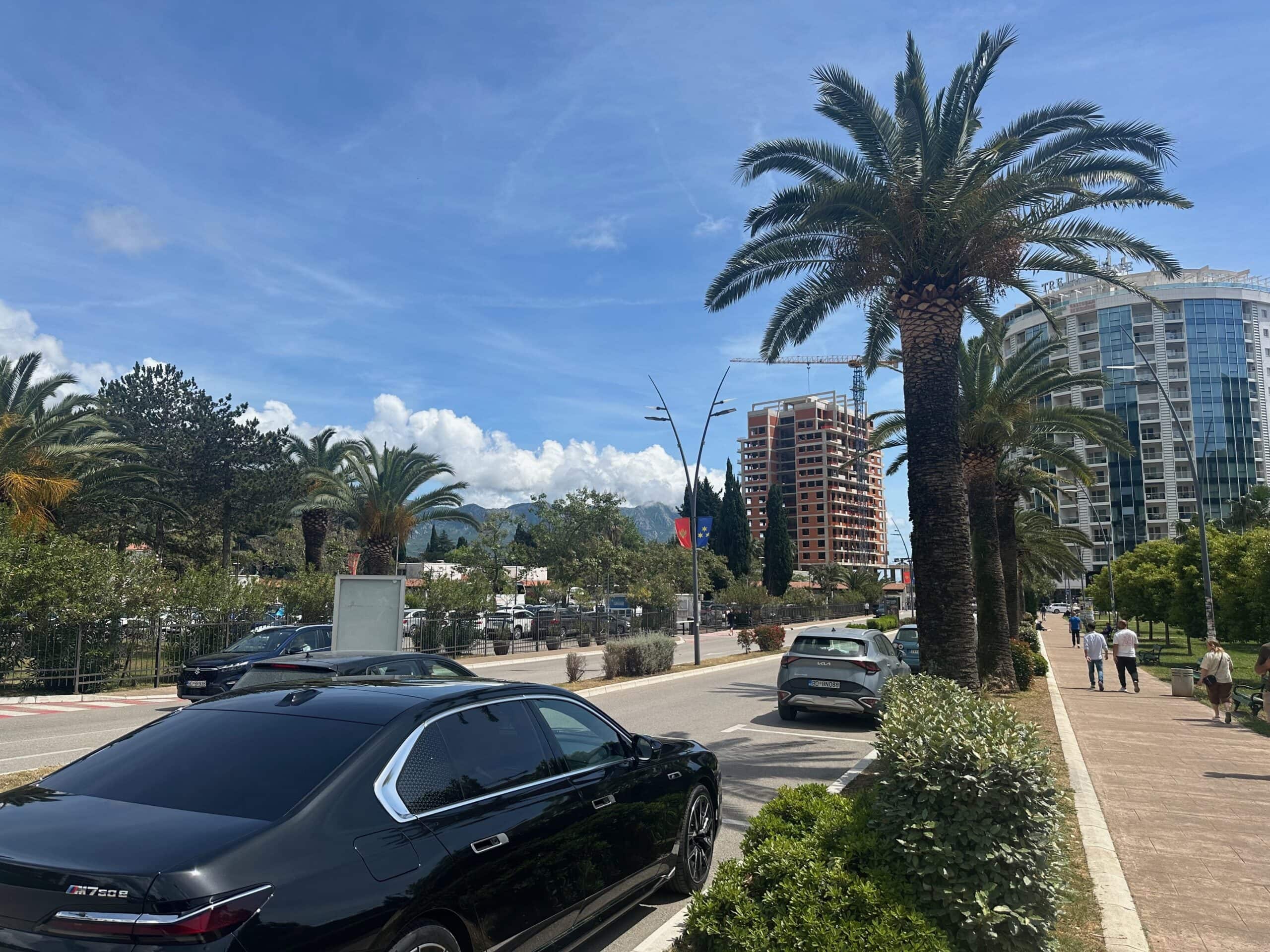
Montenegro Residency By Buying Property (2026 Guide)

From my previous blog posts on Montenegro, you can already tell that I am a big fan of the small Balkan country. In this latest post, I will explain how to obtain residency in Montenegro through property ownership. There are other routes to get residency, but I will focus on the property-based residency route.
You can apply for residency by owning property if it is legally registered and worth more than EUR 150,000. EU/EEA/Swiss citizens are exempt from the property value requirement. The introduction of the minimum financial requirement for foreign buyers is a new amendment to the law approved in late 2025.
The residency by buying property option gives you a legal way to stay in the country while enjoying its coastlines, mountains, and relaxed pace of life. It’s easy to renew and provides you with a path to permanent residency.
Check out how I bought my apartment in Montenegro and how the renovation process unfolded.

Plan Your Property Investment
With My Trusted Resources
– Make money transfers for less with: Wise
– Book your flights and hotels: Trip.com
Booking.com
– Book your airport transfers here: Kiwitaxi
– Rent cars here: DiscoverCars & LocalRent
– Hire affordable shipping services here: Eurosender
Table of Contents
Why Consider Residency in Montenegro?
You can enjoy a relaxed Mediterranean lifestyle, low living costs, and simple residency rules when you settle in Montenegro. The country also offers a favorable tax system, growing business opportunities, and access to scenic coastal and mountain regions.
✅ Lifestyle and Location Advantages
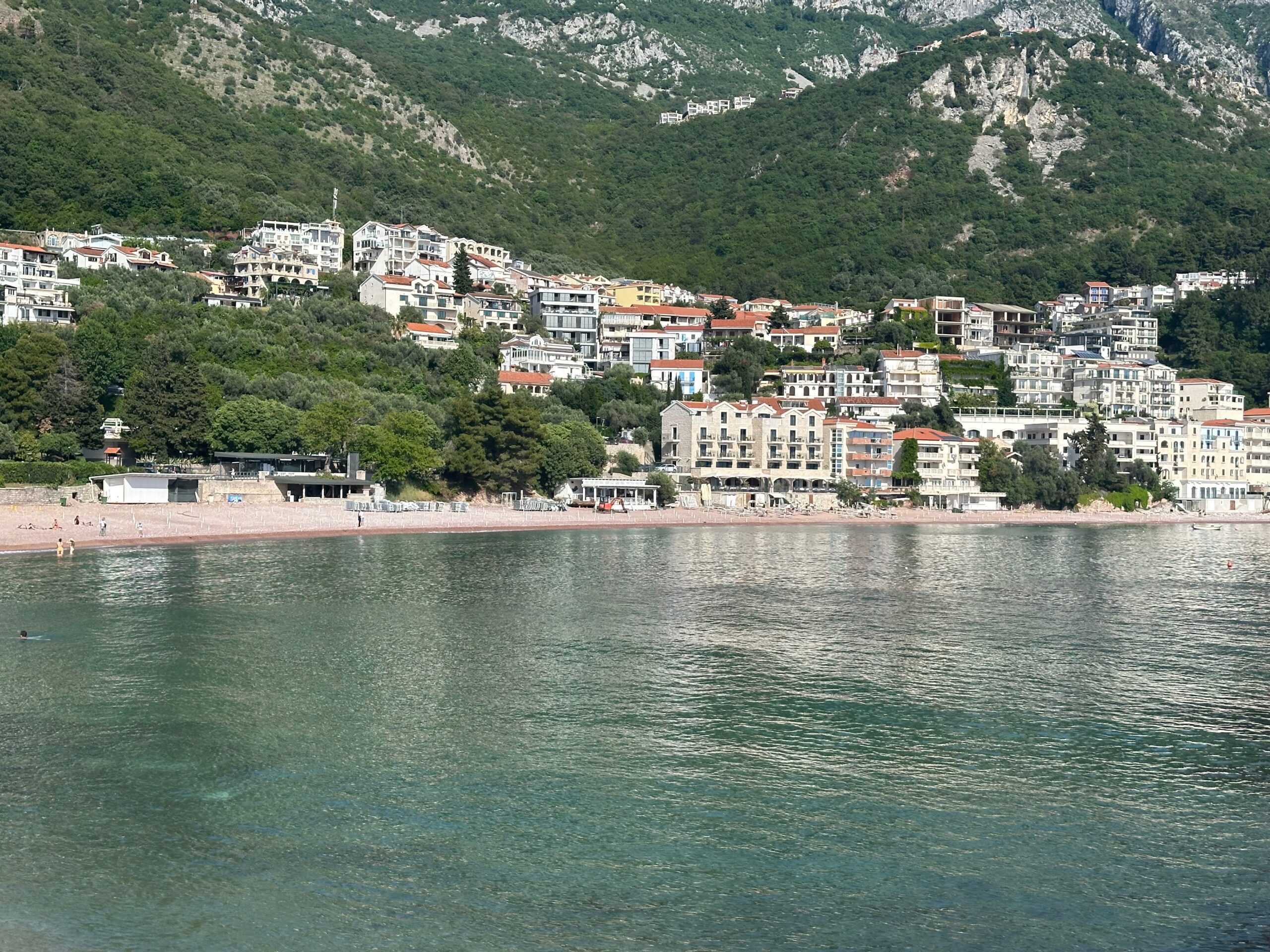
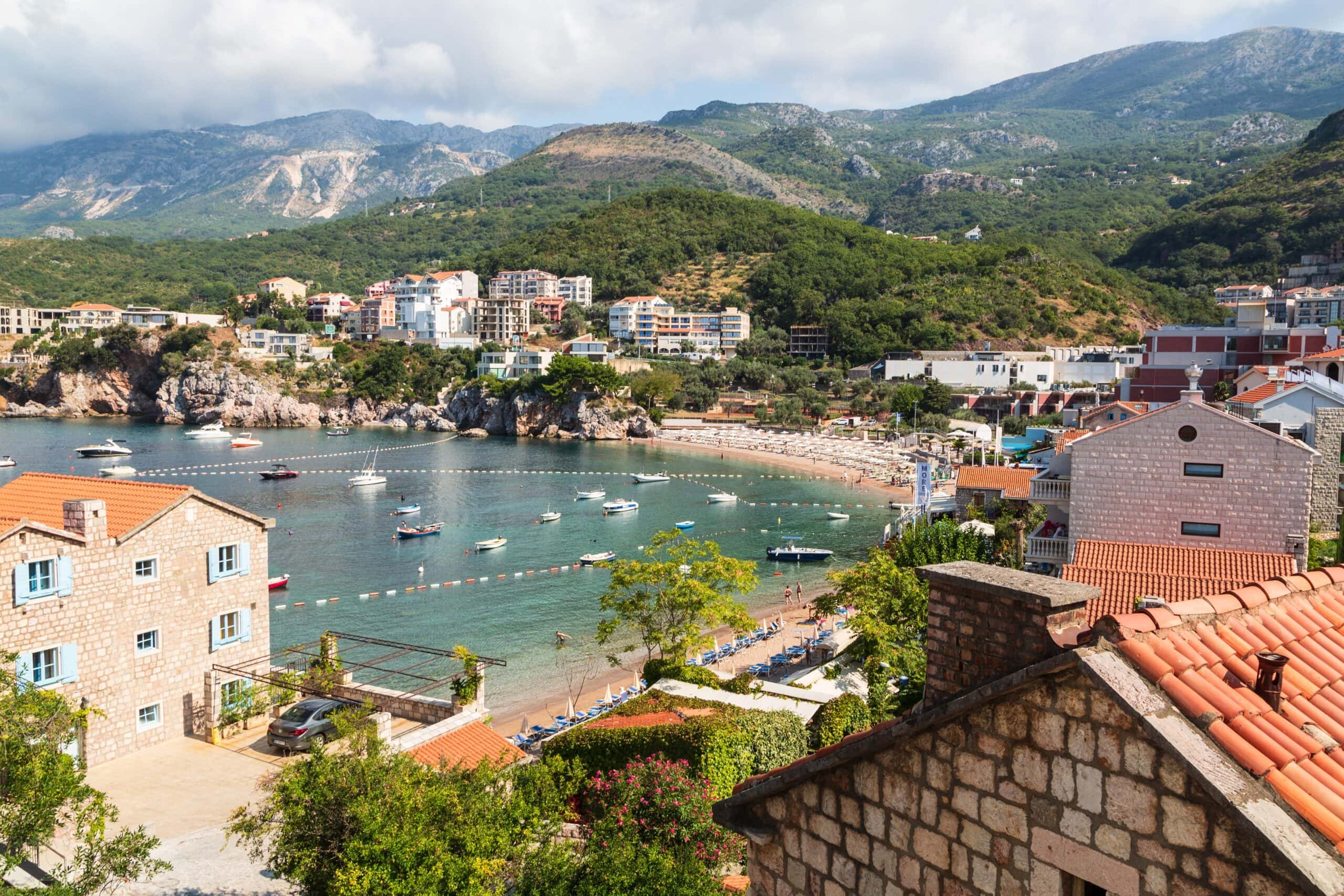
Montenegro gives you a mix of coastal towns, mountain villages, and small cities with a slower pace of life. You can live near the Adriatic Sea in places like Budva or Kotor, or in quieter inland areas such as Cetinje or Niksic.
The climate is mild, with warm summers and short winters. You can swim, hike, or ski within a few hours of travel.
The cost of living stays lower than in most Western European countries. Groceries, utilities, and local services are affordable, and healthcare is accessible for residents.
English is widely spoken in tourist areas, making it easier to adapt.
Montenegro’s location gives you quick access to Croatia, Serbia, and Albania, and flights from Podgorica and Tivat connect you to major European cities.
👉 I’ve used Moneycorp for overseas transfers—here’s exactly how it works and how you can save on fees.
Check out my Resources page for more useful products and services when moving and buying property abroad.
✅ Tax Advantages
Montenegro keeps its tax system simple and competitive. The personal income tax rate is around 9–15%, depending on income level, which is lower than in most EU countries. Businesses also benefit from a 9% corporate tax rate.
Property owners pay a low annual real estate tax, generally between 0.1% and 1% of the property’s market value. There’s also a 3% property transfer tax (or more of the resale market price, the percentage depends on the value of the property) when buying existing real estate, while new builds include VAT instead.
You don’t pay tax on worldwide income unless you become a tax resident by spending more than 183 days a year in the country. This setup can help you manage your finances efficiently while maintaining legal residency.
✅ Economic Benefits
Montenegro’s economy is small but growing, driven by tourism, construction, and foreign investment. Buying property gives you a chance to join this growth, especially in the coastal real estate market, which continues to attract international buyers.
The country uses the euro, even though it’s not part of the European Union, which keeps transactions simple and stable. Many investors find this appealing since it avoids currency exchange risks common in other non-EU countries.
✅ Key Residency Perks
Owning property in Montenegro lets you apply for a one-year renewable residency. You can live in the country legally, open a local bank account, register for healthcare, and enroll children in schools.
Residency also gives you the right to stay long-term without frequent visa renewals. If you maintain your residency for at least 5 years, you should qualify for permanent residency. After 10 years, you can apply for citizenship.
Family members, spouse or children, are allowed to apply for residency. You will need to show birth or marriage certificates.
The process is usually faster and less expensive than in many other European countries. You only need proof of property ownership, health insurance, and a clean background check. The government welcomes foreign residents, especially those who contribute to the local economy.

❗Common Pitfalls to Avoid
Some property buyers misunderstand the residency renewal rules. You must spend most of the year in Montenegro to keep your permit active. If you leave for long periods, you may need to reapply and restart the process.
Be careful with property documentation. Always verify that the property is registered in the national cadastre and free of legal disputes. Hiring a local lawyer or agent can help you avoid mistakes.
Another common issue is assuming residency equals citizenship. Montenegro residency does not automatically lead to citizenship, and the country has paused its citizenship-by-investment program.

How Montenegro’s Residency System Works
You can live in Montenegro legally by getting a residency permit that matches your situation. The country offers flexible options for property owners, business founders, and workers who want to stay longer than a tourist visa allows.
Types of Residency Permits in Montenegro
Montenegro mainly issues temporary and permanent residency permits.
A temporary residence permit is the one most foreigners start with. It usually lasts one year and can be renewed if you still meet the requirements. You can apply if you own property, work for a local company, or run your own business.
A permanent residence permit comes after five years of continuous temporary residency. To qualify, you must show that you lived in Montenegro most of the time, had stable income, and followed local laws.
Here’s a quick comparison:
| Type | Validity | Key Requirement | Renewal |
|---|---|---|---|
| Temporary | 1 year | Property, job, or business | Yes, yearly |
| Permanent | Indefinite | 5 years of continuous stay | Not needed |
You’ll need to register your address, provide proof of income or property ownership, and have health insurance before applying.

Pathways to Residency in Montenegro
You can get residency in Montenegro through several routes, but two are the most common: buying property or starting a company.
If you buy a registered residential or commercial property worth over EUR 150,000, you can apply for a temporary residence permit. The property value requirement does not apply to EU/EEA/Swiss citizens.
Another option is to open a company and employ yourself as a director. This path works well if you plan to do business locally or want more flexibility with renewals.
Other routes include employment, family reunification, and education, but these require specific documents like contracts or enrollment letters. Each path leads to the same goal – legal residency that can eventually become permanent after consistent renewals.
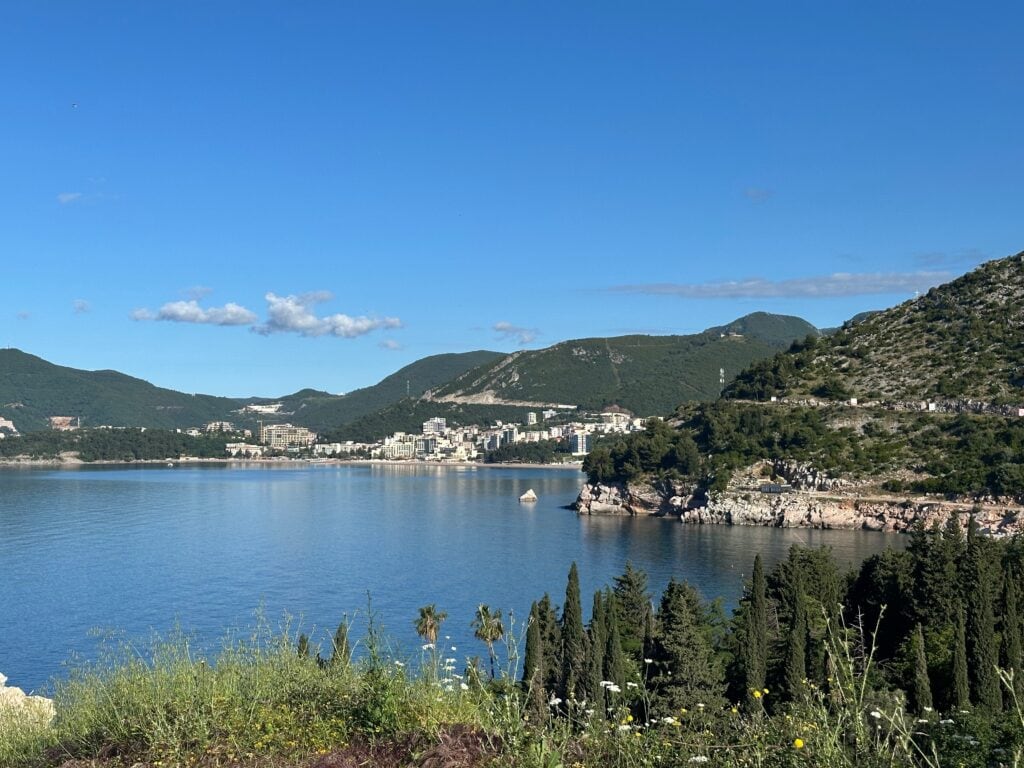
Residency Through Property Ownership
Buying property in Montenegro can give you a practical path to legal residency. You can apply for a one-year residence permit if you own any registered residential or commercial property. Non-EU/EEA/Swiss citizens require owning property worth over EUR 150,000. The process is straightforward but requires proper documentation and compliance with local rules.
👉 Eligibility Requirements
You qualify for residency in Montenegro through property ownership if you are a foreign national who has purchased real estate registered in your name. The property can be residential or commercial, but it must be legally registered in the national property registry. The property must be in livable condition and meet local building standards.
You must also show that you have enough funds to support yourself during your stay. Health insurance covering your time in Montenegro is required. If you plan to include family members, each person must apply separately but can use the same property as the basis for their permit.
👉 Documents You’ll Need
You’ll need several official documents to apply for residency. Prepare both originals and certified translations into Montenegrin.
The documents required are:
- A valid passport
- Proof of property ownership: title deed (list nepokretnosti) or notarized purchase agreement
- Proof of property registration in the cadastre
- Proof of health insurance coverage
- Recent bank statement or proof of financial means
- Police certificate of a clean criminal record from your home country
- Birth and marriage certificates, if applying for family members
- Evidence of local address registration
- Passport-sized photos (usually two)
- Completed residency application form
- Payment of applicable fees
Keep copies of all documents for your records. Using a local lawyer or a Montenegro Property Pack service can help ensure everything meets the government’s requirements.
👉 Step-by-Step Guide to Applying
- Buy an eligible property in Montenegro. Make sure it’s registered in your name and recorded in the national cadastre.
- Gather all required documents. Translate and notarize them as required.
- Submit your residency application. File it at the local police administration office (Uprava policije) in the municipality where your property is located or at the Ministry of Interior.
- Pay the application fee. Fees are not very high and vary slightly by region.
- Wait for approval. Application processing usually takes 30 to 45 days.
- Collect your Residence Permit Card. This temporary residence card is valid for one year and can be renewed.
👉 Renewal Process and Key Regulations
Your residence permit is valid for 12 months and must be renewed each year. You can renew as long as you still own the property and continue to meet financial and insurance requirements. If you have been out of the country for more than 90 days and have a residency permit based on real estate ownership, then your renewal may be rejected and you will have to re-apply for a new 1-year residence permit.
Start your renewal about 30 days before your permit expires. Submit updated documents, including proof that your property ownership and insurance are still valid.
If you sell your property, your residency status ends unless you buy another qualifying property or switch to another residency type, such as through company registration.
You must also follow local laws during your stay. Overstaying or failing to register your address could affect future applications. Keeping your paperwork current will make renewal much easier.

From Temporary to Permanent Residency and Citizenship
When you buy property in Montenegro, you can use it to apply for temporary residency. This permit usually lasts one year and can be renewed as long as you still own the property and meet the requirements.
You’ll need to spend most of your time in Montenegro – about 9 months each year – to keep your residency valid. If you leave for long periods, you may have to reapply and restart the process.
After five consecutive years of holding temporary residency, you can apply for permanent residency. This step gives you more stability and fewer renewal hassles. You’ll still need to show proof of income, health insurance, and a clean criminal record.
Here’s a quick look at the timeline:
| Stage | Requirement | Duration |
|---|---|---|
| Temporary Residency | Property ownership | 1 year (renewable) |
| Permanent Residency | 5 years of continuous stay | Indefinite |
| Citizenship | 10 years of residence | Permanent |
Once you’ve lived in Montenegro for 10 years, you can apply for citizenship. Citizenship gives you full rights, including voting and access to an EU-candidate passport.
Many people stop at permanent residency because it already covers most living and property rights. But if you plan to stay long-term or want deeper ties, applying for citizenship may make sense.

Costs and Taxes Involved in Obtaining Residency Through Property Ownership
When you buy property in Montenegro to get residency, you’ll face several costs beyond the price of the home itself. These include purchase taxes, yearly property taxes, legal and notary fees, and the residency application fee.
Purchase Taxes and Fees
When you buy property in Montenegro, you usually pay a property transfer tax (3% or more of the resale market price, the percentage depends on the value of the property). If you buy a new property directly from a developer, then the value added tax is usually included in the price.
You’ll also pay administrative fees for registering ownership with the local land registry. These are small, usually under €100.
Ongoing Property Taxes
Once you own property, you’ll pay an annual property tax. The rate ranges from 0.25% to 1% of the property’s cadastral value (the government’s assessed value).
You can pay this tax in one or several installments through your local municipal office. Keeping receipts is important for your Montenegro residency renewal, as proof of tax compliance is usually required.
Legal and Notary Costs
Hiring a property lawyer is strongly recommended. A local lawyer checks ownership records, drafts the sale contract, and ensures there are no debts tied to the property. Legal fees usually range from €500 to €2,000, depending on the property’s value and complexity.
A notary must witness the sale contract. Notary fees are typically 0.01% to 0.05% of the property price, with a minimum set by law (around €50/€100).
If you’re buying remotely or through a power of attorney, you’ll also pay for translation and document authentication.
Residency Application Fee
After buying your property, you’ll apply for temporary residency. The application fee is modest, usually €25 to €60, depending on the municipality.
You’ll also pay for document translation and official copies of your property title and passport. These add another €30 to €50.
Processing usually takes a few weeks, and you can track your application through the local police administration office.

Montenegro Residency By Buying Property: FAQs
Can foreigners buy property in Montenegro?
Yes, you can buy property in Montenegro as a foreigner. The country allows foreign individuals to own real estate under their own name without needing local partners or special permits.
You can purchase apartments, houses, or land that is not classified as agricultural or protected. Ownership rights are the same for locals and foreigners, and transactions are recorded in the national property registry.
Is there a minimum property value to qualify for residency?
As of late 2025, the Montenegrin authorities have introduced a minimum financial threshold of EUR 150,000 for obtaining a residence permit. This restriction does not apply to EU/EEA/Swiss citizens. Before that, there was no official minimum property value by law for all foreign buyers. See what that budget buys in each region.
The property is expected to be suitable for living, not just an empty plot or an unfinished structure. You’ll need to show proof of ownership, a valid passport, and evidence that you can support yourself financially while in the country.
Can I apply for residency remotely, or do I need to be in Montenegro?
You must be in Montenegro to submit your residency application. The process cannot be completed entirely online or from abroad.
After buying your property, you’ll visit the local police directorate or immigration office to file your application. You’ll need original documents, including your title deed, passport, proof of income, and health insurance.
If you’re outside Montenegro, you can prepare documents and obtain legal translations beforehand, but the final steps require your presence in the country.
Can my spouse or family be included in my residency application?
Yes, your spouse and dependent children can usually apply for residency based on family reunification once you have your own residence permit.
Each family member must file a separate application and provide required documents, such as marriage or birth certificates, proof of relationship, and health insurance. These documents often need to be translated into Montenegrin and notarized.
Family members receive residence permits that align with the main applicant’s permit duration. Renewal follows the same yearly process as your own.
Am I allowed to rent out my property in Montenegro?
Yes, you can rent out your property once you own it. Many foreign owners rent their homes to tourists or long-term tenants, especially in coastal areas.
To rent legally, you must register the rental activity with the local tax office and pay applicable taxes on rental income. Short-term rentals may also require a tourism license. For more detailed info on renting in Montenegro, go to how to rent out your Montenegro property.
Renting out your property does not affect your residency status, but you must still maintain compliance with tax and registration rules.
Can I later apply for permanent residency or citizenship?
After holding temporary residency for five continuous years, you may apply for permanent residency. You’ll need to show that you’ve lived in Montenegro during that time and met all renewal requirements.
Permanent residency allows you to stay without annual renewals and gives you more rights similar to Montenegrin citizens.
Citizenship is possible after ten years of legal residence, though it’s not automatic. You must pass language and integration requirements and renounce other citizenships unless exempted by law.
Is purchasing property in Montenegro a good investment?
Buying property in Montenegro can be a reasonable investment, especially in areas with steady tourism and infrastructure growth. The real estate market has remained open to foreigners, and property prices are generally lower than in Western Europe.
Popular investment areas include:
- Budva: known for tourism and rental demand
- Kotor: a UNESCO site with limited supply
- Tivat: home to Porto Montenegro, a luxury marina
While property values have risen in recent years, returns depend on location, property type, and maintenance costs.
I lay out 10 reasons to buy property in Montenegro.
Conclusion: Montenegro Residency by Buying Property
When you buy property in Montenegro, you can use it as a basis for temporary residency, but it doesn’t happen automatically. You still need to apply through the immigration office and show ownership documents, proof of income, and health insurance.
You can buy any registered residential or commercial property, as long as it is worth over EUR 150,000. EU/EEA/Swiss citizens are exempt from the property value requirement. The property must be legally registered and free of debts or disputes.
If you’re planning to move with family, your spouse and underage children can also apply for residency under your ownership.
Key points to remember:
- Property ownership supports your residency application.
- Residency is temporary and must be renewed each year.
- You can live in Montenegro as long as your permit stays valid.
Buying property in Montenegro gives you a practical path to live there long-term, especially if you want a base in Europe with lower costs and a relaxed lifestyle. You just need to follow the legal steps carefully and keep your documents up to date.




For everything else on buying and living in Montenegro in one place, check out my complete Montenegro Property & Relocation Guide.
