

How to Buy Property in Ecuador as a Foreigner

Can foreigners buy property in Ecuador? Yes — and buying property in Ecuador as a foreigner is generally a straightforward process, with relatively few restrictions compared with many other countries. Whether you’re looking for a retirement home, an investment property, a vacation home, or a place to live, Ecuador offers foreign buyers a wide range of real estate opportunities.
From beachfront properties on the Pacific coast to affordable apartments and mountain homes in the Andes, Ecuador’s property market offers options for different budgets and lifestyles. The country’s beautiful landscapes, relatively low cost of living, and welcoming culture have also made it an increasingly popular destination for international buyers.
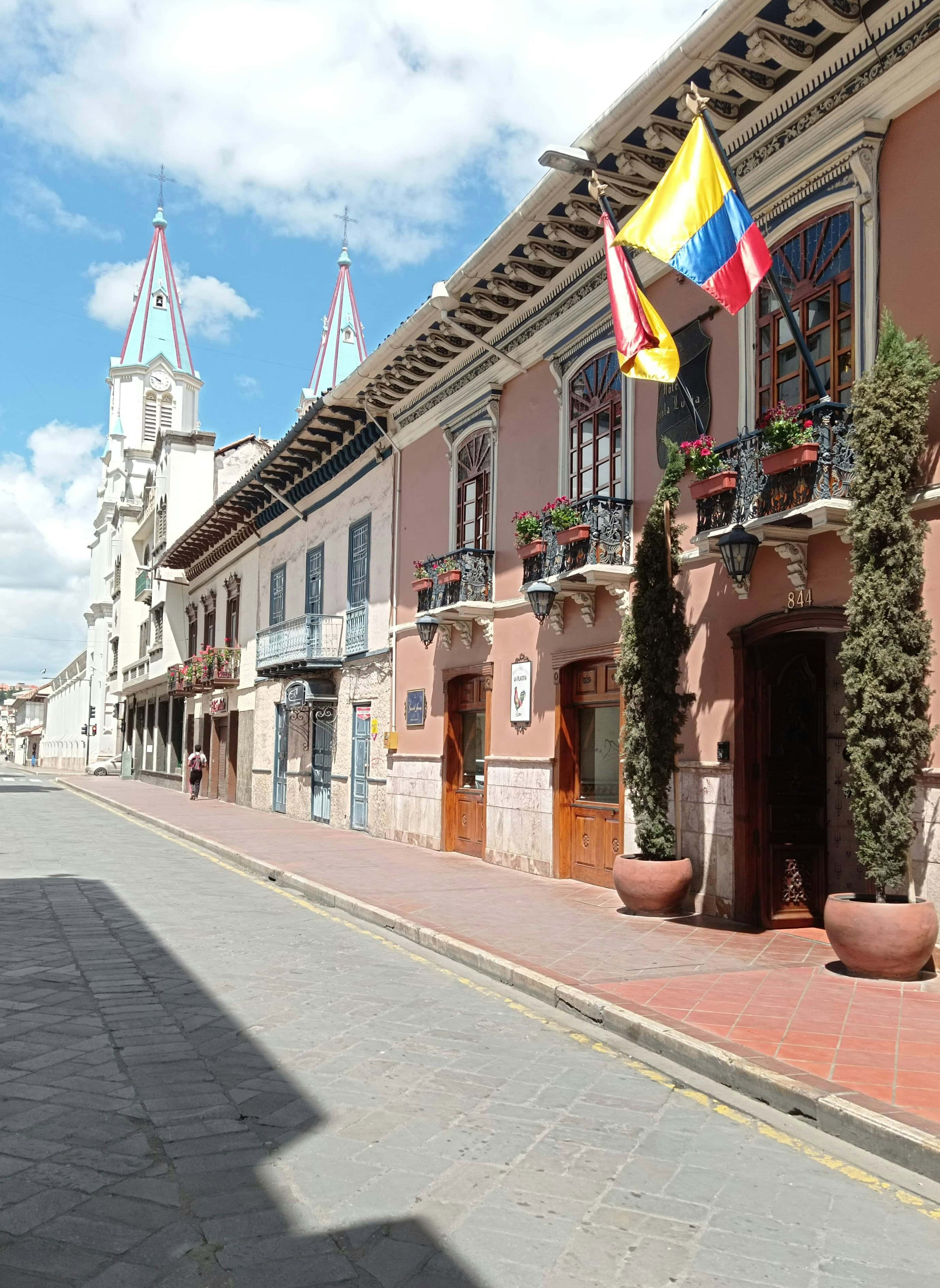
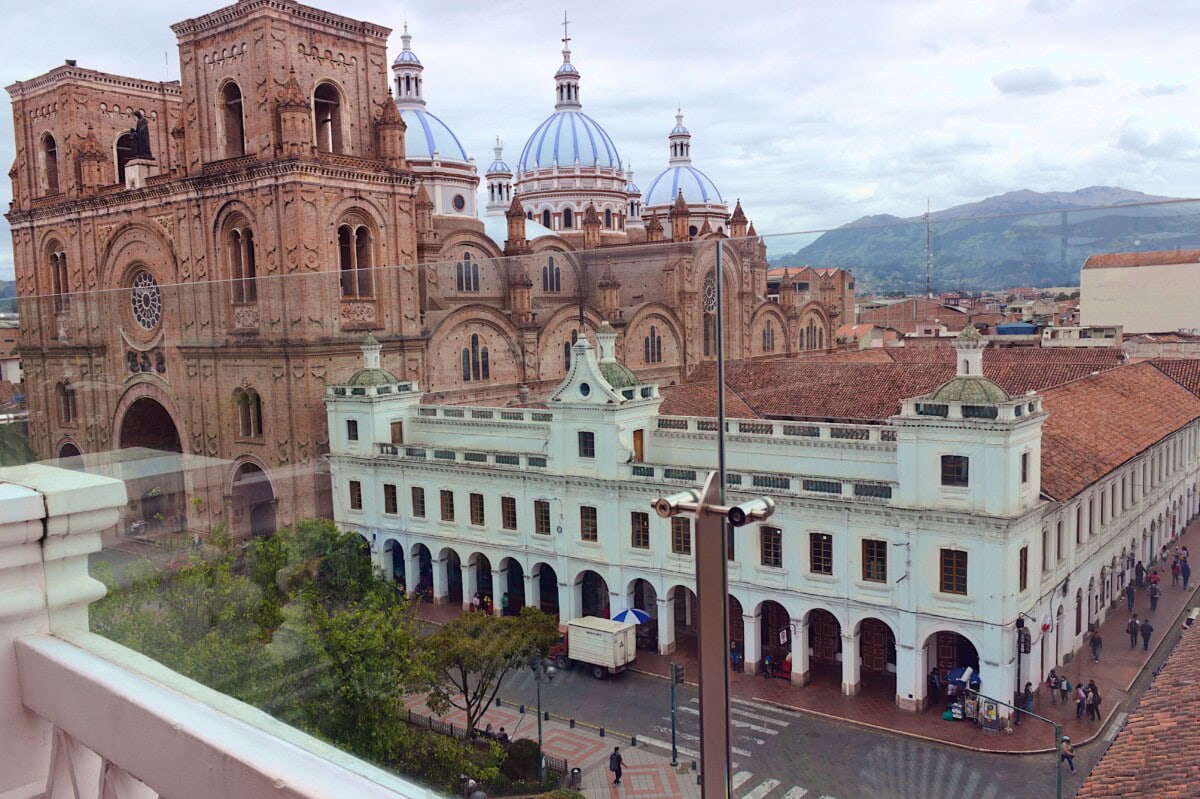
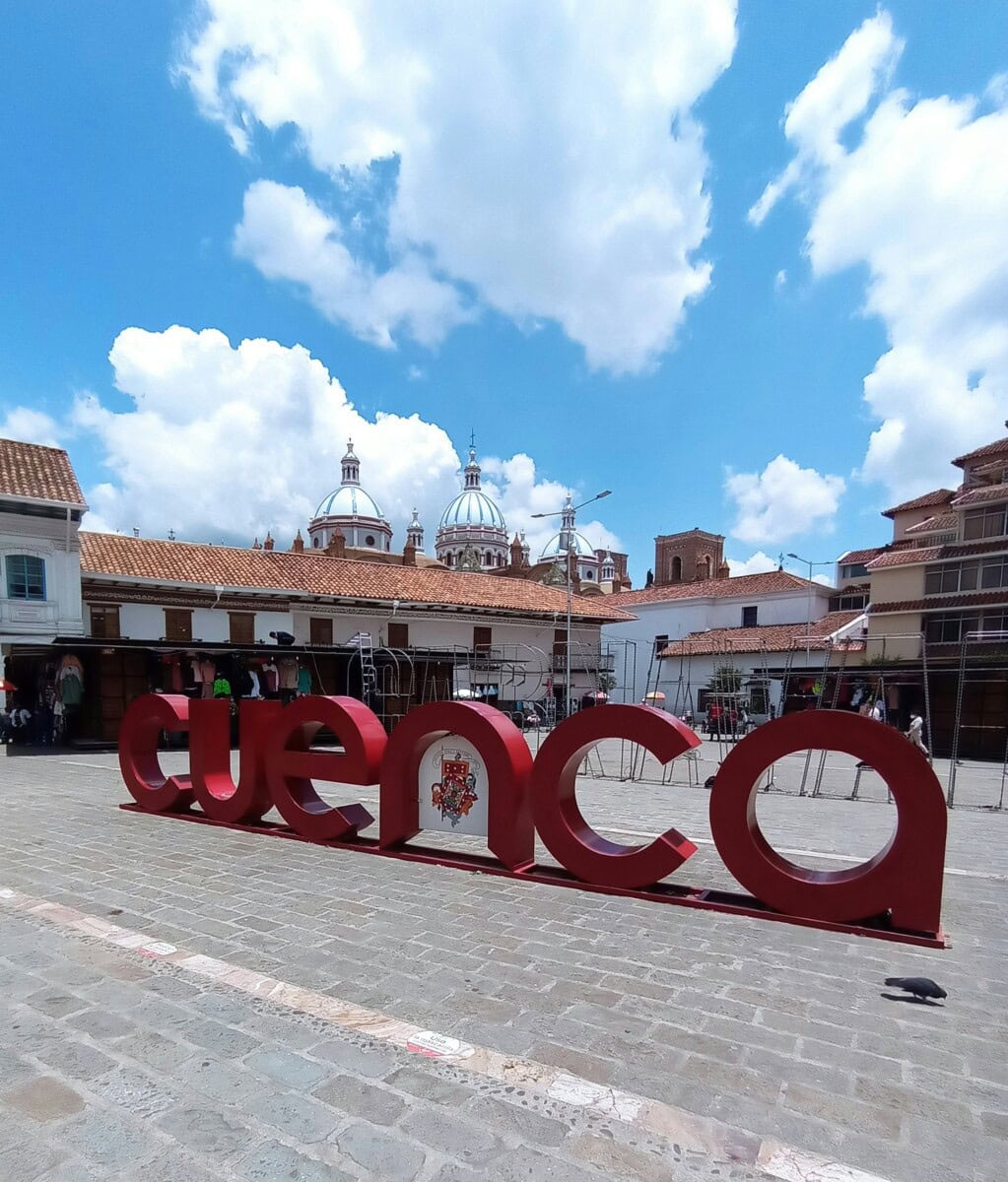
I’ve also researched Cuenca, one of Ecuador’s most popular destinations for foreign residents and property buyers. If you’re considering buying real estate in Cuenca, take a look at my in-depth research on Cuenca, where I explore the city, its property market, cost of living, and what makes it attractive to international buyers.
In this guide, I’ll explain how to buy property in Ecuador as a foreigner, step by step. We’ll cover how to find a property, the Ecuadorian real estate buying process, legal requirements, taxes and closing costs, and the potential pitfalls you should understand before purchasing.

Plan Your Property Investment
With My Trusted Resources
– Make money transfers for less with: Wise
– Book your flights and hotels: Trip.com
Booking.com
– Book your airport transfers here: Kiwitaxi
– Rent cars here: DiscoverCars
– Hire affordable shipping services here: Eurosender
Table of Contents
Key Takeaways
- Foreigners can buy property in most areas of Ecuador.
- Navigating the local real estate market requires legal and financial understanding.
- Proper maintenance and legal compliance are key to successful ownership.
Legal Aspects of Buying Property in Ecuador
When buying property in Ecuador, you need to understand the legal aspects to ensure a smooth transaction. This includes knowing key legal documents, the ‘Escritura’ system, and the importance of legal counsel.
Key Legal Documents
Several legal documents are crucial when you buy property in Ecuador. The deed or “escritura” is the most important as it confirms property ownership. You must also review the certificate of property rights, which outlines any restrictions or owner’s rights on the property.
Notaries play a significant role; they authenticate documents and ensure all legalities are met. You should also keep an eye on notary fees and registration fees, which vary depending on the property’s value.
What is the ‘Escritura’ System?
The ‘Escritura’ system is the cornerstone of property ownership in Ecuador. The escritura is a legal document that serves as the official property deed. It’s created by a notary and includes essential details like the names of both parties, the property’s description, and the purchase price.
Once the escritura is signed, it must be registered at the local property registry to be effective. This ensures that the buyer’s ownership is legally recognized. It’s also vital to perform due diligence before signing the escritura, such as confirming the property’s legal status and checking for any outstanding debts linked to the property.
Importance of Legal Counsel
Hiring an Ecuadorian lawyer is highly recommended for foreigners buying property in Ecuador. An experienced attorney can help navigate the legal complexities, ensuring the transaction adheres to Ecuadorian laws. They assist in negotiating legal fees, drafting documents, and conducting due diligence to uncover potential issues.
Attorney fees can vary, but the peace of mind they provide is invaluable. They ensure the notary fees and other costs are fair and necessary. Additionally, for those without an Ecuadorian Cedula (national ID), a lawyer can help manage any extra steps or requirements, making the buying process smoother and more secure.
What Costs are Associated with Buying Real Estate in Ecuador?
When you buy property in Ecuador as a foreigner, it’s important to understand the financial aspects, including mortgages, loans, and transaction costs.
Mortgages and Loans
There are strict requirements for foreign buyers to get a loan in Ecuador. Another reason that foreign buyers mostly pay cash is that interest rates for loans are very high, at an average of 9%.
The loan requirements are:
- be or become an Ecuadorian citizen or have an Ecuadorian spouse for at least 6 months
- show proof of income
- have a credit record in Ecuador
- proof of external income
- be able to pay off the loan before turning 75 years old
In order to get a credit record, you need to have lived in Ecuador for several years. Try obtaining a credit card as soon as possible, even though that is not straightforward either for foreigners.
You can apply for VIP loans but only under certain requirements. VIP loans have lower interest rates and require a lower downpayment.
The VIP loan requirements are:
- property is worth less than $107k and less than $1k per square meter
- the buyer does not own any other property in Ecuador
- the buyer and his or her spouse have a combined income of between $1.5k and $2.8k per month
Steps to get a mortgage in Ecuador:
- Deposit: Generally, a down payment of 20%-30% of the property value is required.
- Insurance: Property insurance is often mandatory to secure a loan.
- Investor Visa: Holding an investor visa may improve your chances of securing favorable mortgage terms.
Some buyers might choose to secure financing from their home country due to better interest rates and terms. If you go down that route then make sure you prepare necessary documentation, including proof of income, credit history, and legal residency status if needed.
Transaction Costs
Transaction costs in Ecuador include various fees that buyers need to consider. Transaction costs can add 5%-10% to the overall purchase price.
Key transaction costs include:
- Legal Fees: Typically around 1%-3% of the purchase price.
- Notary Fees: About 0.10% of the purchase price.
- Registration Fees: Around 0.10% of the purchase price.
- Provincial Transfer Tax: This fee varies by region but is generally around 1% of the property value.
Most payments are done through bank wire transfer to ensure security. Always verify exchange rates and bank fees when transferring large sums.
Head over to my Resources page for more useful recommendations for your property purchase process.
Step-by-Step Purchasing Process in Ecuador
Buying property in Ecuador involves several specific steps, including initiating the purchase, making an offer and deposit, and finalizing the sale.
Initiating the Purchase
Before you begin, identify a property and confirm its details. Work with a real estate agent familiar with Ecuadorian properties to help navigate the market. Hire a local lawyer to review the legal aspects and perform due diligence. One of the issues that can arise is rural land restrictions and specific regulations around the historic Center. Ask for references from previous clients and verify the real estate and lawyer’s credentials before hiring them.
Next, conduct a property survey. This can reveal essential information about the land or building. Ensure that all property taxes and fees are up-to-date. Verify that the property is free of any liens or legal issues.
👉 Necessary Documents:
- Title deed
- Property tax receipts
- Identification documents
Making an Offer and Deposit
Once you find a suitable property, make an offer through your real estate agent. If the seller accepts, both parties sign a preliminary contract called the Promesa de Compraventa. This document outlines the terms and conditions of the sale.
At this point, a deposit is required. It is often around 10% of the purchase price. This deposit helps secure the property and shows the buyer’s commitment. Ensure that funds are transferred securely.
👉 Key Steps:
- Negotiate terms
- Sign Promesa de Compraventa
- Pay the deposit
Finalizing The Sale
Finalizing the sale involves several critical steps. Begin with drawing up the final contract, known as the Formal Property Sales Agreement. This document is signed before a notary.
The buyer pays the remaining balance of the purchase price. The property title is transferred from the seller to the buyer. At this stage, registration fees and other closing costs are paid.
Finally, the new ownership is recorded in the Public Registry. This step legally completes the transfer of the property to the buyer. Ensure that all documents are properly filed and retained.
👉 Necessary Actions:
- Sign final agreement
- Pay remaining balance
- Register the property

What are the Barriers and Risks when Buying Property in Ecuador?
When you buy property in Ecuador as a foreigner, common issues include language barriers and fraud. These challenges can be managed with the right approach and precautions.
Dealing with the Language Barrier
Many expats face difficulties while negotiating and understanding documents due to the language barrier. It is important to work with an experienced translator or a bilingual real estate agent. This helps in avoiding miscommunication.
Learning some basic Spanish can also be beneficial. This not only aids in property deals but also helps in everyday situations. Online language courses or local classes can be a good start.
Another useful approach is to review all written agreements in both Spanish and English. This ensures that all terms are clear and fair. Seeking the assistance of a legal resident of Ecuador who is familiar with both languages can be invaluable.
Preventing Fraud and Scams
Fraud is a concern for anyone investing in foreign property. To safeguard your investment, always conduct thorough due diligence. This includes verifying the property title and ownership history. Hiring a reputable lawyer or real estate agent can help in this process.
Obtaining title insurance is also a wise step. Title insurance protects against any potential disputes over ownership. It provides peace of mind by covering possible legal fees and compensations.
Pay attention to property taxes and transfer tax. Ensure these are accurately calculated and paid on time. This minimizes the risk of unexpected liabilities and legal problems.
Always work with ethical and experienced professionals. You can find a curated list of my trusted real estate agents in Cuenca here. They can guide you through the process and help avoid potential scams. Seek recommendations and read reviews to select trustworthy partners.

Overview of the Ecuadorian Real Estate Market
Real estate in Ecuador offers a variety of opportunities, from urban environments to rural areas, all with unique attributes and price points. Knowing where to look and what to expect can greatly influence the buying decision.
City vs. Rural Properties
When considering real estate in Ecuador, you can choose between city properties and rural options. Cities like Quito, Cuenca, and Manta are popular among expats due to their amenities and expat communities. These cities provide modern conveniences, cultural activities, and essential services.
City properties often have higher prices due to their accessibility and infrastructure. However, the investment can be worthwhile as urban areas continue to grow. Rural properties, on the other hand, offer peace, lower cost of living, and large land plots. Areas like the Amazon or villages in the mountains provide stunning views and a quieter lifestyle.
Properties on the coast in areas like Salinas also offer a blend of urban and rural benefits. These coastal regions are appealing for their beach access and moderate property prices, making them ideal for vacation homes or retirement.
Market Value and Property Prices
The market value of properties in Ecuador varies widely based on location and type. In major cities, property prices are generally higher. For example, apartments in Quito and Cuenca can range from a few tens of thousands to several hundred thousand dollars.
Conversely, rural properties are more affordable. A house in the countryside might cost significantly less, offering more space and privacy. Coastal areas like Manta and Salinas can be cost-effective as well, especially compared to Western real estate markets.
Economic factors and local regulations also impact prices. The lack of restrictions on foreign investment in real estate, except near borders and coastlines, makes Ecuador an accessible market.
Property Types and Investment Opportunities in Ecuador
Investing in property in Ecuador offers diverse options. These include residential homes and land.
Investing in Residential Property
In Ecuador, residential property is popular among expats. Coastal areas like Salinas and Manta attract many buyers due to their scenic locations. Cities like Quito and Cuenca are favored for their blend of modern amenities and cultural heritage.
Properties can range from modern apartments to traditional houses. Newly built homes may come with modern amenities, while older homes might offer larger spaces but require more maintenance.
When buying residential property, it’s important to consider the need for furnishing. Appliances and furniture can be pricey in Ecuador, sometimes adding significantly to the total cost.
Buying Land in Ecuador
Land for sale in Ecuador presents lucrative investment opportunities. Investing in land can be rewarding, especially in developing areas. Coastal land and plots near urban centers are in high demand. These investments can offer good returns as infrastructure improves and land values rise.
Who Do I Need When Buying Property in Ecuador?
Buying property in Ecuador as a foreigner requires careful selection of partners and representatives. Here is a reminder list of essential partners:
- local real estate agent
- local real estate attorney
- notary
After the Purchase: Ownership and Maintenance
Once you’ve completed the purchase of your property in Ecuador, it’s important to understand the ongoing responsibilities related to ownership and maintenance. This includes managing utility and municipality costs and understanding the process of renting out the property.
Utility and Municipality Costs
Utility costs in Ecuador are relatively affordable, but it’s essential to budget for them. Utilities typically include water, electricity, gas, and sometimes garbage collection. Most utility bills need to be paid monthly, and failure to do so can result in service interruptions.
Aside from utilities, property owners are responsible for property taxes and other municipality costs. These taxes differ based on the property’s location and value. Property tax payments are usually annual, and keeping these payments up to date is crucial to avoid penalties.
Working with a local property manager or real estate attorney can help navigate these costs efficiently. They can ensure all payments are made on time, keeping your property in good standing with local authorities.
Renting Out Your Property
Renting out your property can be a good way to generate income. Many expats choose to rent their homes when they are not in Ecuador. This process requires an understanding of local rental laws, which can differ significantly from those in other countries.
Before renting, make sure the property meets all health and safety standards. This might include installing smoke detectors or ensuring electrical systems are up to code.
Handling tenant relations, collecting rent, and maintaining the property are other key aspects of renting. Hiring a property management company can simplify this process, especially if you are not always in Ecuador. They can handle everything from screening tenants to managing repairs, making the experience smoother for the property owner.
Frequently Asked Questions – How to Buy Property in Ecuador as a Foreigner
What are the legal requirements for foreigners purchasing property in Ecuador?
Foreigners can purchase property in Ecuador with the same rights as Ecuadorian citizens. There are no restrictions on property ownership for foreigners, which makes the process straightforward.
What is the process for a US citizen to buy real estate in Ecuador?
The process involves conducting due diligence, making a formal offer, obtaining a property survey, and finalizing the sale through a notary. The home-buying process may differ from what you are used to in the US, so familiarizing yourself with local laws is important.
Are there restrictions on foreign land ownership, particularly in areas like the Galapagos?
While foreigners can own property freely in most of Ecuador, the Galapagos Islands have special regulations. Foreigners need to obtain special permissions to own land or property in these protected areas.
What are the typical closing costs associated with buying a house in Ecuador?
Typical closing costs can include a notary fee of 0.10% of the purchase price, legal fees around 1-3%, and a registration fee of 0.10%. For a property priced at $100,000, these costs can range from $2,310 to $4,310, depending on legal fees.
How does property taxation work for non-residents in Ecuador?
Non-residents are subject to the same property taxes as residents. Property tax rates are relatively low, typically ranging from 0.25% to 0.50% of the property’s assessed value. Taxes are paid annually.
What is the range of real estate prices in popular Ecuadorian cities like Cuenca?
Real estate prices can vary widely. In Cuenca, one of the more popular cities, prices can range from around $900 to $1,500 per square meter for properties in central locations. This is relatively affordable compared to other international markets.



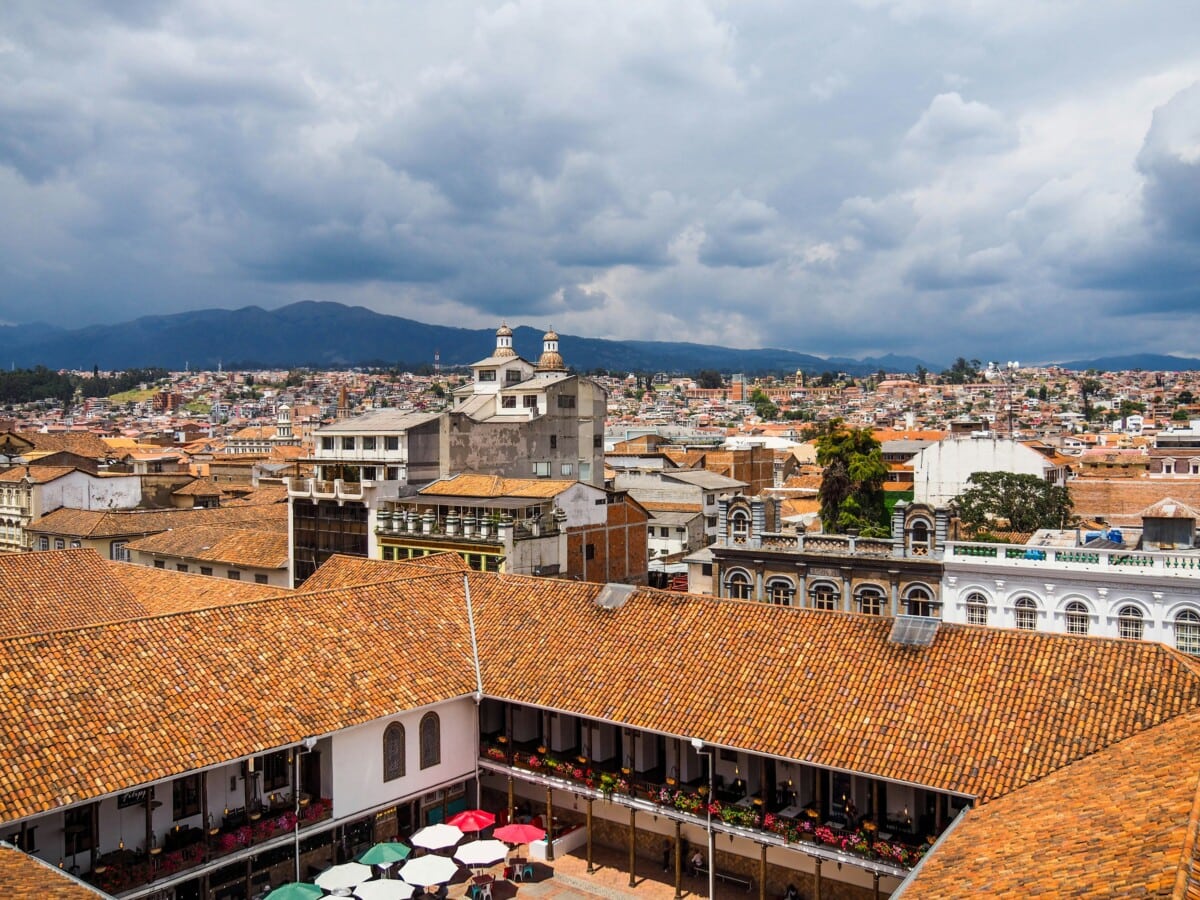
This is just one piece of the puzzle. For everything else on buying and living in Cuenca, check out my complete Cuenca Property & Relocation Guide.
