

Cost of Living in Cuenca, Ecuador: A Local’s Breakdown

A quick note before we get into it:
This one isn’t from me. This guide comes from Mario Torres, who was born and raised in Cuenca and knows exactly where locals shop, eat, and get around for less. I asked him to break down what things really cost day to day, including the numbers that don’t usually show up in the typical “Cuenca is cheap” post. Over to Mario.
How Much Does It Really Cost to Live in Cuenca?
One of the biggest attractions of Cuenca for foreigners is its relatively affordable cost of living. But the amount you actually need depends heavily on your lifestyle and, especially, on where you shop.
I have lived in Cuenca my entire life, and one of the biggest differences between living like a local and living like a visitor is knowing where to buy things.
You can spend considerably more money simply by shopping in the wrong places.

Plan Your Property Investment
With Wouter’s Trusted Resources
– Make money transfers for less with: Wise
– Book your flights and hotels: Trip.com
Booking.com
– Book your airport transfers here: Kiwitaxi
– Rent cars here: DiscoverCars
– Hire affordable shipping services here: Eurosender
Table of Contents
Food Can Be Very Affordable
For basic groceries, local markets are generally much cheaper than supermarkets.
As a rough reference, some prices you may encounter are:
- Rice: approximately $0.60 per pound
- Eggs: around 7 eggs for $1 at some local markets
- Chicken: approximately $10-$12, depending on size and weight
- Lemons: around 20 for $1
- Bananas: approximately 12-15 for $1
- Watermelon and other seasonal fruits can sometimes be purchased for around $1
- Potatoes and vegetables are generally inexpensive at local markets.
These prices naturally fluctuate depending on the season, the market, the product, and the vendor.
Markets vs. Supermarkets
If you want to save money, learn to shop at local markets.
Local Markets
The large Feria Libre, located along Avenida de las Américas, is one of the main places I would recommend for people who want to buy fresh food at lower prices.
Local markets are particularly useful for fruits, vegetables, potatoes, meat and other basic foods.
Small neighborhood stores can also be reasonably priced, but markets are usually better for fresh produce.
Supermarkets
For supermarkets, I would personally look at places such as Coral Centro, MegaTienda del Sur and Tía when price is the priority. Supermaxi can be convenient and offers a wide variety of products, but it is generally not the first place I would recommend if your main goal is to minimize your grocery bill.
Shopping for Clothes and Other Products
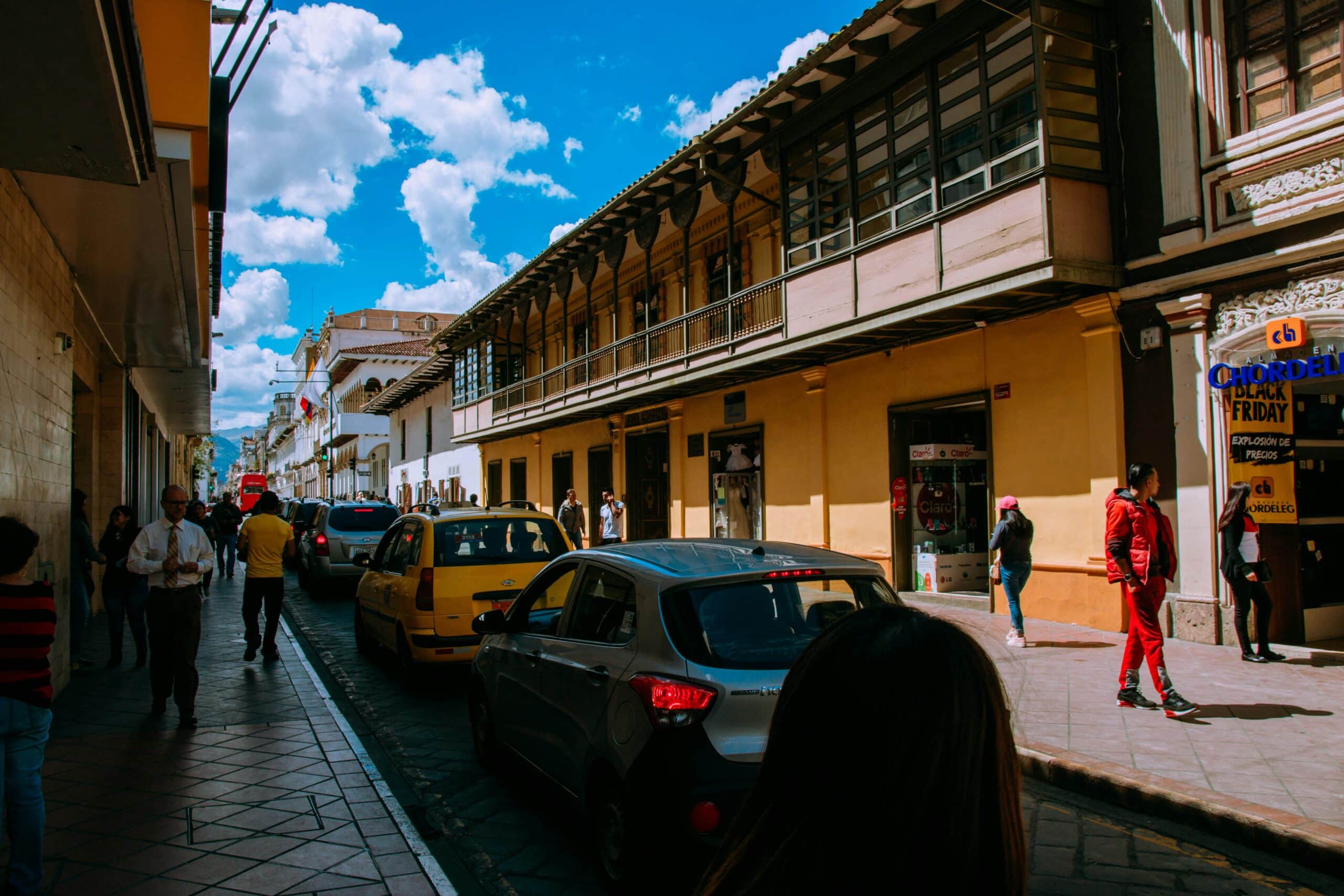
Feria Libre is also useful for more than food.
You can sometimes find clothes at dramatically lower prices than in shopping malls. For example, a shirt that might cost $5-$10 at a local market could potentially cost $30-$40 in a shopping mall, depending on the item and brand.
Wednesday is traditionally an especially active day at Feria Libre, with many vendors coming to sell their products.
For someone new to Cuenca, I recommend visiting markets and comparing prices before deciding where to do most of your shopping.
Eating Out
Cooking at home is considerably cheaper than eating out regularly.
In a non-touristy area, a typical local almuerzo can cost approximately $2.50. Depending on the location, it may be $2.75 or $3.
This is roughly what many local residents might spend when they need to eat lunch outside their home.
However, prices change dramatically in more tourist-oriented areas.
At a hotel or an expensive restaurant in the Historic Center, you could easily spend $5 or more on lunch.
For a local resident, that can already feel expensive.
With around $15 worth of groceries from a market, a person can potentially prepare food for several days, depending on what they buy and how they cook.
Transportation

Transportation is another area where Cuenca is relatively affordable.
🚌 Buses
The urban bus costs around $0.35 per trip, making it one of the cheapest ways to move around the city.
🚕 Taxis
Taxis are also widely used. Official taxis in Cuenca use taximeters, and the minimum fare is approximately $1.39 during the day and $1.67 at night, although fares can vary depending on the distance and applicable rates.
For foreigners, I strongly recommend becoming familiar with the local taxi system and the approximate fares.
🚕 Taxi Apps and Uber
There are also taxi applications. Azutaxi and Cuenca Taxi are among the local options, and Uber has also become available in the city.
Uber can be convenient and I have personally used it, although its legal and regulatory situation in Ecuador is different from that of traditional taxis.
Internet
Internet is another relatively affordable service in Cuenca.
Municipal internet services can start at approximately $13 per month, while a more robust home internet plan may cost around $20 per month, depending on the provider and plan.
For someone working remotely, however, I would recommend choosing based on reliability and technical support rather than simply choosing the cheapest plan.
How Much Does a Couple Need?

From my experience, a couple can live in Cuenca with approximately $500-$600 per month if they have a relatively modest lifestyle and are careful with their spending.
That figure becomes much more realistic when the couple:
- Rents an affordable apartment
- Cooks at home
- Shops at local markets
- Uses public transportation
- Avoids expensive tourist-oriented restaurants
- Compares prices before buying
Someone with a higher budget can obviously have a more comfortable lifestyle and spend more on restaurants, entertainment, better housing, private transportation and other activities.
You can read a local architect’s take on rents and neighborhoods here.
One Thing Foreigners Should Learn Quickly: Local Prices
There is one piece of advice I would especially give to someone new to Cuenca:
Learn the local prices.
Sometimes a foreigner may see something priced at $1 and think, “That’s incredibly cheap compared with my country.”
But a local person may know that the normal price is actually $0.30.
This can happen with small products, food, transportation or services. It doesn’t mean that every seller is trying to take advantage of foreigners, but being familiar with local prices gives you a much better idea of what things should cost.
If possible, ask a trusted local friend about prices when you first arrive.
A $1,000 Monthly Budget
If you have $1,000 per month, Cuenca can offer a fairly comfortable lifestyle for one person or a couple, depending on rent and personal habits.
The biggest variable will usually be housing.
Someone renting an inexpensive apartment, cooking regularly and using public transportation can retain a significant portion of that budget for entertainment, restaurants, travel and other expenses.
Someone renting an expensive apartment in one of the most popular areas, eating frequently in tourist-oriented restaurants and using taxis every day will naturally spend much more.
The Local Approach to Saving Money
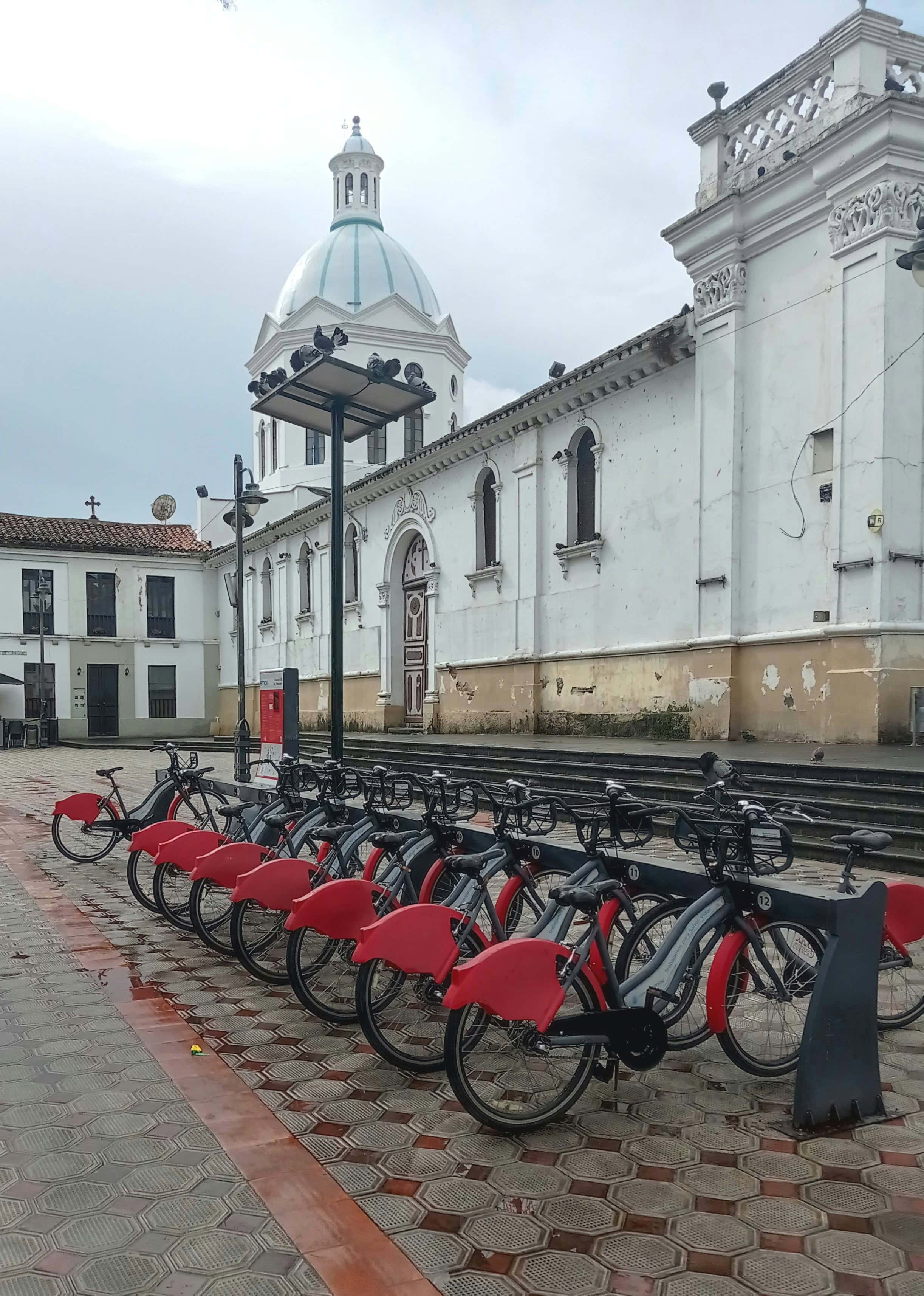
If I had to give a foreigner just five recommendations for reducing their cost of living in Cuenca, they would be:
- Shop at local markets for fresh food.
- Compare supermarket prices instead of always shopping at the same store.
- Learn the normal local price of common products.
- Consider neighborhoods outside the most expensive foreigner-oriented areas.
- Use public transportation whenever practical.
Cuenca can be an affordable city, but affordability is not automatic. Knowing the city makes a difference.
The biggest advantage you can have as a newcomer is not simply having a large budget. It is understanding how locals shop, where locals eat, which neighborhoods offer better value, and how much everyday things actually cost.
That is where living in Cuenca like a local can make your money go considerably further.
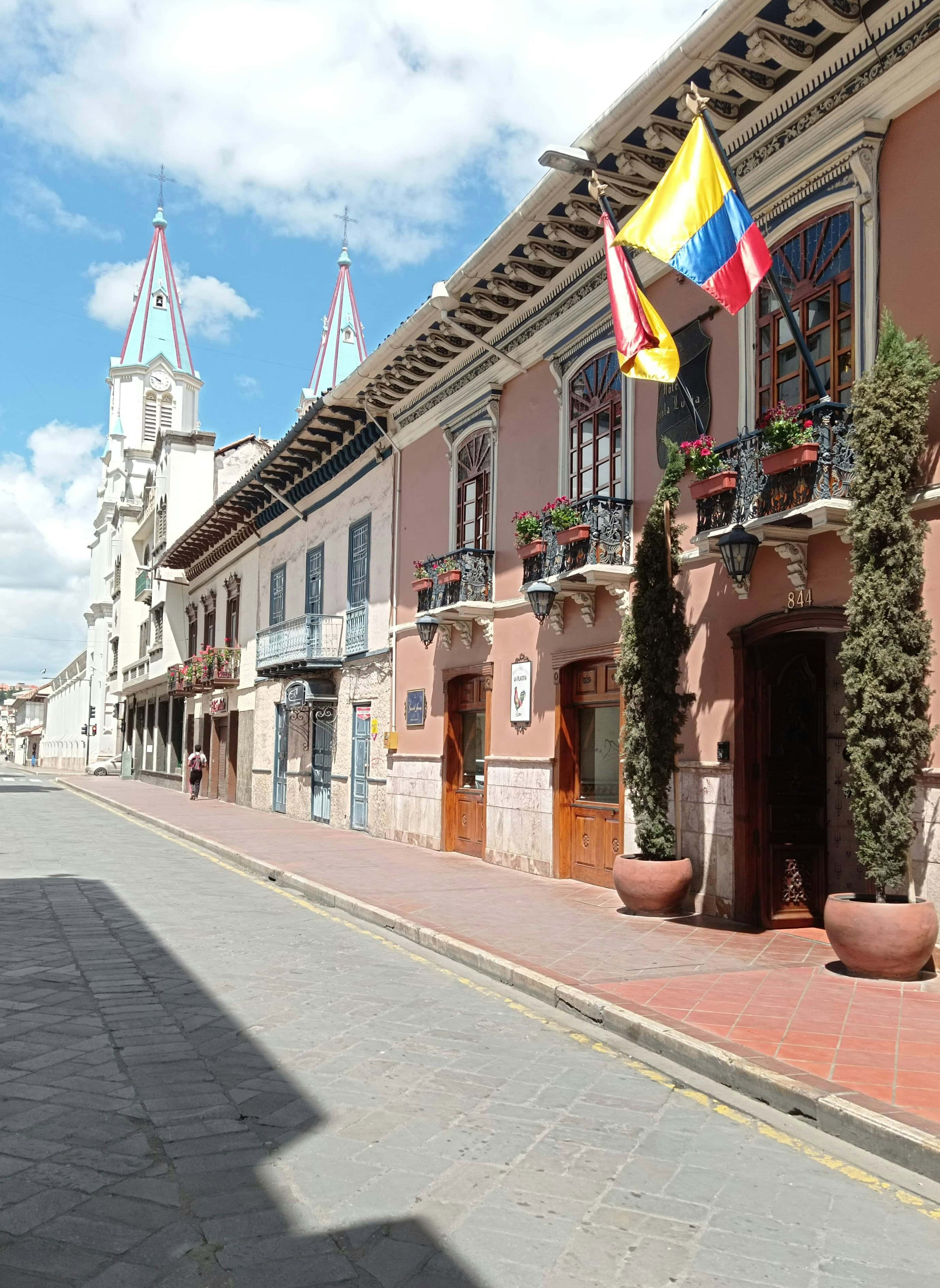





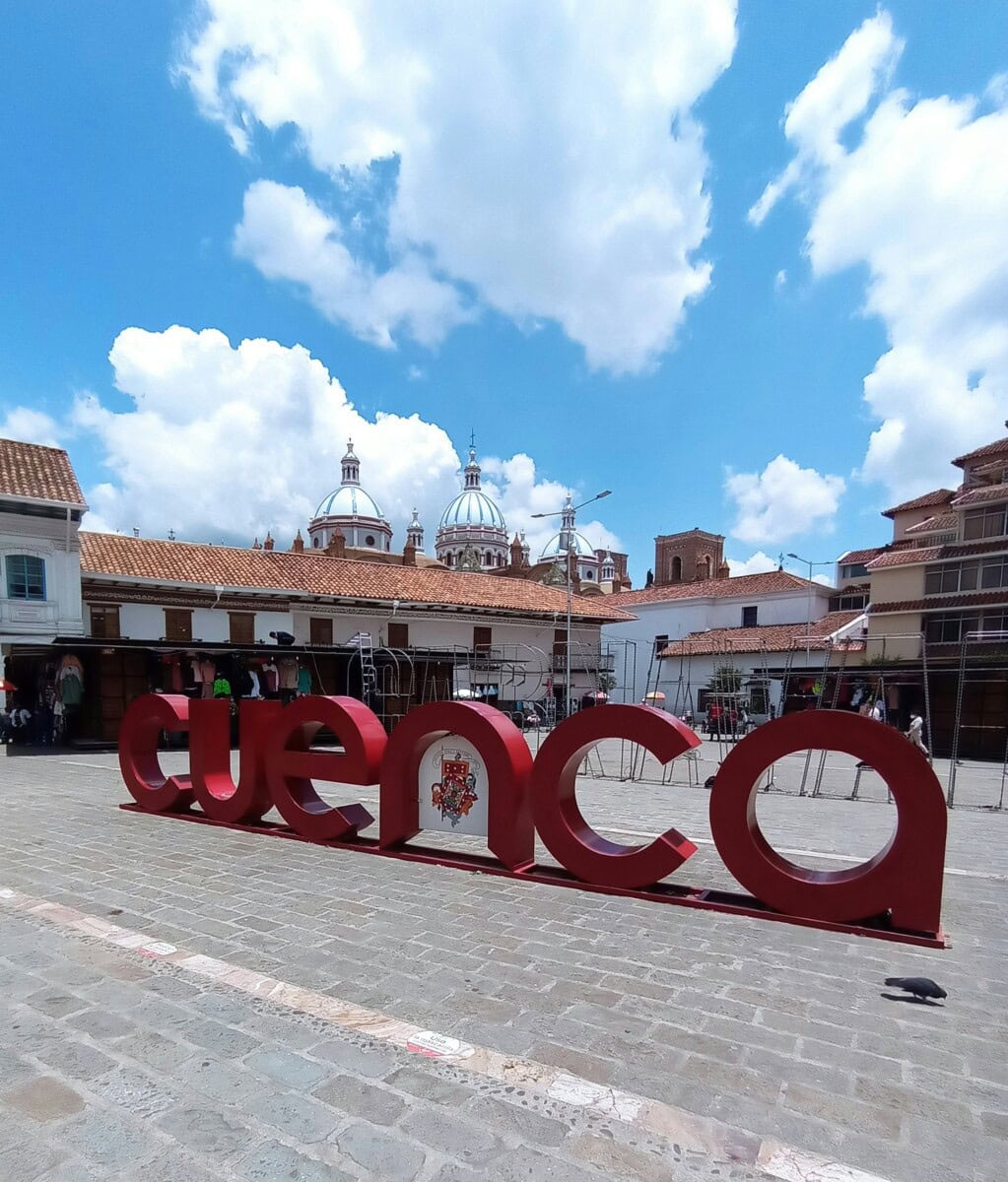

This is just one piece of the puzzle. For everything else on buying and living in Cuenca, check out my complete Cuenca Property & Relocation Guide.
About Mario Torres
Mario was born and raised in Cuenca, Ecuador, and knows the everyday practical side of living there, from where to shop for groceries to how to get around without overpaying. He shared his rental market knowledge in an earlier guest post for the blog and is back here with a local’s breakdown of the real cost of living. Follow him on Instagram or connect on LinkedIn.
