

How to Buy Property in Chiang Mai as a Foreigner

Buying property in Chiang Mai gives you a chance to live in one of Thailand’s most popular cities for expats and retirees. You get lower prices than Bangkok, a slower pace of life, and access to modern condos, houses, and gated communities. You can buy property in Chiang Mai as a foreigner, but you must follow Thai ownership laws and understand the limits before you sign any contract.
I interviewed a US national who moved to Thailand many years ago, and eventually chose Chiang Mai to buy a property. The real estate buying process for a foreigner is not always straightforward, according to my interviewee, but it becomes easier when you surround yourself with the right people. He added: “You won’t get ripped off with the right approach and experience”.

Plan Your Property Investment
With My Trusted Resources
– Make money transfers for less with: Wise
– Book your flights and hotels: Trip.com
Booking.com
– Book your airport transfers here: Kiwitaxi
– Rent cars here: DiscoverCars & LocalRent
– Hire affordable shipping services here: Eurosender
Table of Contents
Why Buy Property in Chiang Mai?

When you buy property in Chiang Mai, you step into a city that blends daily comfort with steady growth, two of the many advantages of living there. You get modern malls, hospitals, and schools, along with temples and mountain views. If you’re not a big fan of the beach and prefer a decent-sized city close to the mountains, then Chiang Mai is the place to be.
There’s enough to do in Chiang Mai not to get bored, from local events and celebrations to different types of markets. Yet, the city never feels overcrowded or overwhelming. Another big plus is that there is no sex industry in Chiang Mai as opposed to other main cities in Thailand.
The cost of living remains manageable. Day-to-day expenses are lower than in the US, UK, or Europe. The cost of real estate is also more affordable, even lower than in other major Southeast Asian cities, including the Thai capital, Bangkok.
Rental demand in Chiang Mai is also good. Digital workers, retirees, and students from local universities look for long-term rentals. Tourism supports short-term rental markets in some areas, depending on local rules, which is one of the major benefits of buying property in Chiang Mai. Legally, you are not allowed to rent out a property for less than one month unless you obtain a hotel license. Some buildings will follow that rule very strictly, other buildings are more flexible with following the rules.
Check out my Resources page for more useful products and services when moving and buying property abroad.
Can Foreigners Legally Buy Property in Chiang Mai?
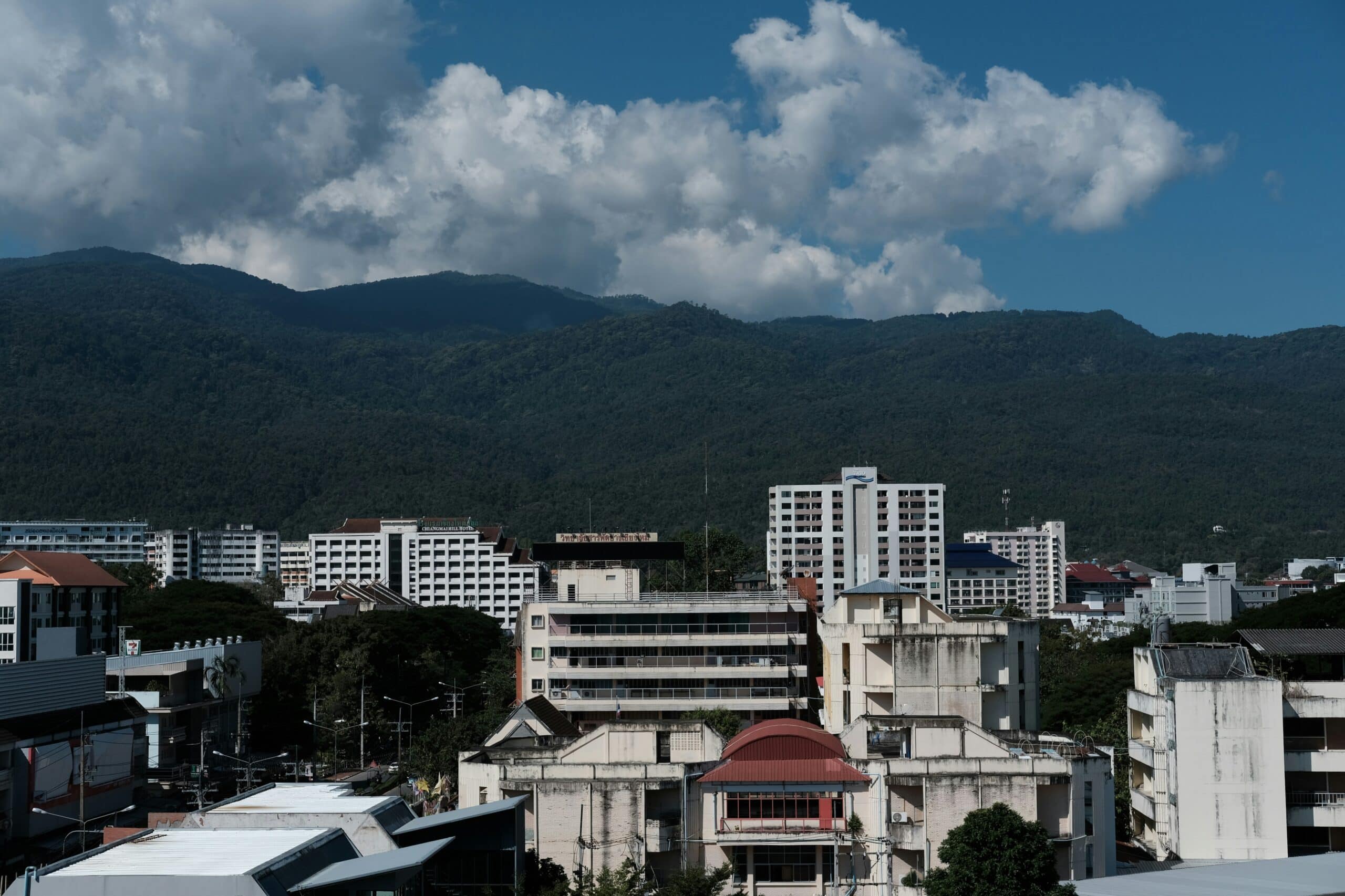
Yes, you can buy property in Chiang Mai as a foreigner, but Thai law sets clear limits on what you can own.
You cannot directly own land in Thailand as a foreigner. That means you cannot fully own a standalone house and the land under it in your own name.
If you want to buy a house in Chiang Mai, you have the following options:
- Lease the land (often 30 years, with possible renewals)
- Buy the house structure while leasing the land
- Set up a Thai company (requires legal advice and strict rules)
- Buy through a Thai spouse (the land must legally belong to them)
The most common and simple option is buying a condo.
Under Thai law, foreigners can own condominium units in their own name, but only up to 49% of the total unit space in a building can be foreign-owned. You must also transfer the purchase funds from overseas in foreign currency. The bank in Thailand will issue a Foreign Exchange Transaction Form, which you need to register ownership at the Land Office. If your Thai spouse buys the land, you must sign a document confirming that the money is their personal property. The Land Office will require this before registration.
Here’s a quick comparison:
| Property Type | Can You Own It? | Notes |
|---|---|---|
| Condo | ✅ Yes | Foreign quota capped at 49% |
| Land | ❌ No | Direct ownership not allowed |
| House | ⚠️ Partly | Own structure, not the land |
| Leasehold | ✅ Yes | Usually a 30-year term |
💡Local tip: Hire an experienced and recommended local property lawyer when buying real estate in Chiang Mai. There are certain rules you may not be aware of, and proper due diligence is required, which often includes going through paperwork in Thai.
Average Property Prices in Chiang Mai for 2026
This graph shows the average property prices in Chiang Mai per property type.
| Property Type | Avg Price (THB) | Avg Price (USD) | Avg THB / m² |
|---|---|---|---|
| Condo | ~2.7-3.2M | ~$80k-$100k | ~60k-115k |
| House | ~5.2-5.8M | ~$160k-$180k | ~25k-45k |
| Townhouse | ~2.8-3.6M | ~$85k-$110k | ~22k |
| Land | ~6.4M avg plot | ~$190k | ~11k / m² |
Be mindful of the difference in price between central and suburban properties. The average price per m² for central condos ranges between 70,000 and 115,000 THB/m². For suburban houses, it is between 25,000 and 35,000 THB/m².
Can Foreigners Get a Mortgage from a Thai Bank?
Thai banks rarely offer mortgages to foreigners.
If you want to buy property in Chiang Mai and need financing, you may face strict rules. Most banks require a valid work permit and steady income in Thailand. Some also require permanent residency.
Loan terms for foreigners often include:
- Lower loan-to-value ratios
- Shorter repayment periods
- Higher interest rates
Many foreign buyers use cash or finance through banks in their home country.
💡Local Tip: The mortgage process is long and very difficult for foreign buyers. If you can come in with cash, then go slightly below the asking price, but say that you can pay in full tomorrow. That will give you a huge advantage.
Taxes to Pay
When you buy property in Chiang Mai, you need to plan for taxes and transfer fees. These costs apply whether you buy property in Chiang Mai as an investor or buy a house in Chiang Mai to live in.
Most taxes get paid on the transfer date at the Land Office. The buyer and seller often share some of these costs, but you should confirm this in the sales contract.
Common transfer costs:
| Tax / Fee | Typical Rate | Notes |
|---|---|---|
| Transfer fee | 2% of the registered value | Often split 50/50 |
| Stamp duty | 0.5% | Used if the specific business tax does not apply |
| Specific business tax | 3.3% | Paid by the seller if selling within 5 years |
| Withholding tax | Varies | Based on the seller type and gain |
If you buy a condo as a foreigner, you usually pay the 2% transfer fee and may share other costs. If you buy a house in Chiang Mai on leasehold land, you may also pay a 1% lease registration fee.
After you own the property, you may pay annual land and building tax. Rates depend on how you use the property. A home you live in often has a lower rate than a rental property.
Step-By-Step Process for Buying Property in Thailand
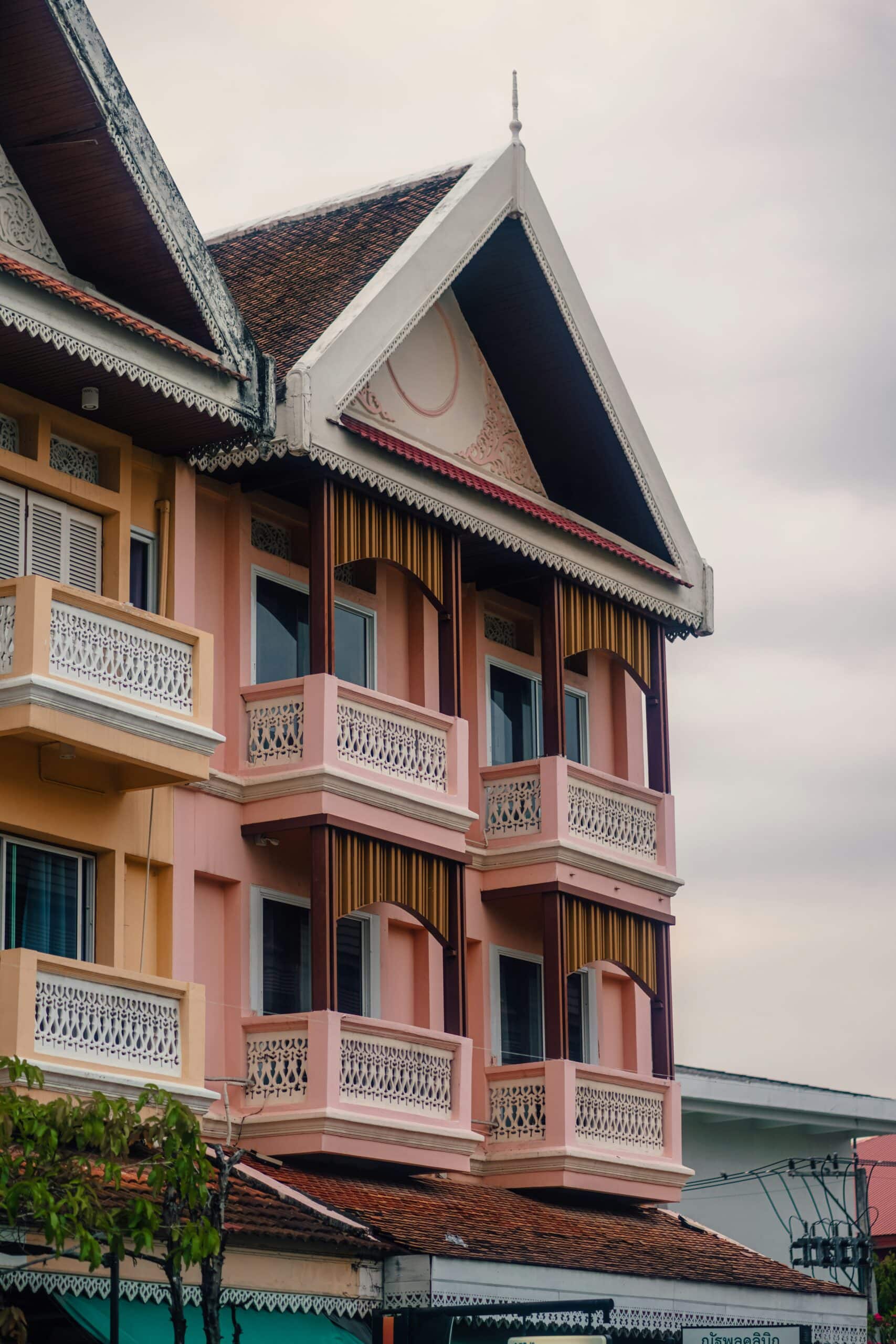
✅ 1. How to Find the Right Location and Property?
Start with the area. If you want city life, look at Nimmanhaemin, Old City, or Santitham. These areas have a variety of condos and small homes on offer. If you prefer space and quiet, check Hang Dong, San Sai, or Doi Saket for larger houses and gated communities.
💡Local tip: Drive around some of the areas with a local person who speaks Thai. Look for physical signs of properties for sale, don’t look online. Tell the local to speak to security guards or other locals to find out if they know about any new properties on the market. A lot of property business is done informally in Chiang Mai. If you don’t have experience buying properties abroad yourself, then speak to fellow expats who have gone through the process.
✅ 2. Hire a Real Estate Agent
You can try to continue working with your local person if this is someone whom you fully trust and who has been recommended to you. The next option would be to hire a local Thai real estate agent. You can find someone who knows the Chiang Mai market well. Ask how long they have worked in the area and how many foreign buyers they have helped.
Do not rely only on the agent for legal advice. Many agents are not licensed in a formal way. Always combine their help with an independent lawyer. Avoid agents who pressure you to pay quickly or skip legal checks.
The next and most expensive option is to hire a Western English-speaking real estate agent. This could be a good option if budget is not an issue for you and if you are new to Thailand.
✅ 3. Conduct Due Diligence
Hire a qualified Thai property lawyer who represents you and acts in your best interest.
When you buy a house in Chiang Mai, confirm the land title. Ask for a Chanote title deed, which offers the strongest ownership rights. Avoid unclear titles, which may indicate that a building is an illegal structure.
Overall, your lawyer should:
- Verify the Chanote title deed
- Confirm the seller’s identity
- Check for mortgages or liens
- Review zoning rules
- Confirm building permits
- Check condo foreign ownership quota (if buying a condo)
- Review outstanding utilities, shared area fees, and any unpaid taxes
💡Local Tip: Visit the property and the area in person. Check road access, drainage, nearby construction, and flood history. Make sure to ask for more information about the building. Find out who the builder or developer is, and if there are any other franchises by this developer that you can have a look at. It may be wise not to purchase a property in a building that is brand new because you won’t be able to tell if the building has any issues.
✅ 4. Make the Offer
Once you decide, submit a written offer.
Your offer should include:
- Purchase price
- Deposit amount
- Transfer date
- Items included (furniture, appliances)
- Who pays transfer fees and taxes
As mentioned before, you can offer below the asking price if you are able to pay in cash. Thai sellers will not be surprised by some negotiation.
If the seller accepts, you move to the reservation stage. Do not transfer large sums before reviewing documents.
✅ 5. Review and Sign the Reservation Agreement
The reservation agreement takes the property off the market.
This document usually requires a small deposit. In Chiang Mai, it is often 50,000-200,000 THB, depending on price.
Check that the agreement includes:
- Full property details
- Agreed sale price
- Deposit amount
- Completion deadline
- Refund terms
Make sure the deposit is refundable if legal checks fail. Your lawyer should review this document before you sign.
When you buy property in Chiang Mai, never sign documents you cannot read. Ask for an English version if needed.
✅ 6. Review and Sign the Sales and Purchase Agreement
The Sales and Purchase Agreement (SPA) is the main contract.
This document sets all legal terms of the sale. Your lawyer must review every clause.
The SPA should clearly state:
- Full names of buyer and seller
- Exact property details from the title deed
- Payment schedule
- Transfer date at the Land Department
- Responsibility for taxes and fees
- Penalties for breach
Do not rush this step. Small contract errors can delay ownership transfer.
✅ 7. Make a Deposit
After signing the SPA, you pay a larger deposit.
This deposit is usually 10%-30% of the purchase price, minus the reservation fee already paid.
Transfer funds through traceable banking channels. Avoid cash payments.
If you are sending funds from overseas for a condo purchase, the contract should mention foreign currency transfer requirements. Banks must issue a Foreign Exchange Transaction Form (FETF) for amounts over the required threshold, which is USD 50,000.
If you buy a condo as a foreigner, send money from abroad in foreign currency. The bank will convert it to Thai baht and issue the required document for Land Department registration.
Keep all transfer slips. You will need proof of payment on the transfer day.
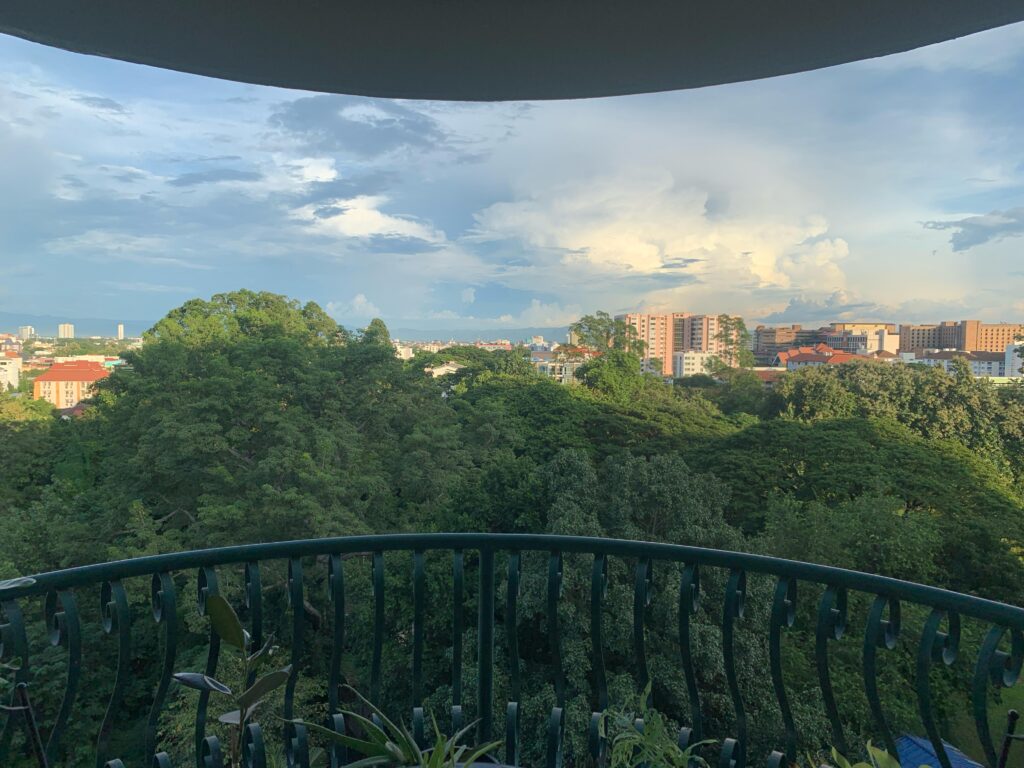
✅ 8. Transfer the Ownership and Pay Taxes
Ownership transfer happens at the Chiang Mai Land Department.
Both parties, or their legal representatives, must attend. Bring passports, contracts, and payment documents.
At the Land Department, officials will:
- Review documents
- Confirm payment
- Register the transfer
- Update the title deed
You must pay transfer fees and taxes at this stage. Common costs include:
| Fee Type | Typical Cost |
|---|---|
| Transfer fee | 2% of appraised value |
| Withholding tax | Based on seller status |
| Specific Business Tax | 3.3% (if applicable) |
| Stamp duty | 0.5% (if SBT not applied) |
Who pays each cost depends on your agreement.
Once registered, your name appears on the title deed. At that point, you officially own the property.
How Long Does it Take to Buy Property in Chiang Mai as a Foreigner?
The time it takes to buy property in Chiang Mai depends on the type of property and how prepared you are. If you choose a condo with clear ownership, the process can move fast. If you plan to buy a house in Chiang Mai, it often takes longer due to legal steps.
In most cases, expect 30 to 60 days from offer to transfer. Some condo purchases close in as little as 2-4 weeks if the unit is in foreign quota and your funds are ready.
Here is a simple timeline:
- 1-2 weeks: Find a property and agree on price
- 1-3 weeks: Legal checks and contract review
- 1-2 weeks: Transfer funds from overseas (required for condos)
- 1 day: Ownership transfer at the Land Office
If you want to buy property in Chiang Mai through a long-term lease or Thai company structure, the process can take longer. Legal review and document checks may add extra weeks.
Delays often happen when buyers do not prepare documents early. You will need your passport, proof of funds, and bank transfer records.
Conclusion
If you plan to buy property in Chiang Mai as a foreigner, know the basic rules. You can own a condo in your own name within the foreign quota. You cannot own land directly, but you can lease land long-term or use other legal structures with proper advice.
Before you buy a house in Chiang Mai, review these key points:
- Location: Old City, Nimman, and the suburbs all offer different prices and lifestyles.
- Budget: Include taxes, transfer fees, and legal costs.
- Purpose: Living, retiring, or renting out changes what you should buy.
- Legal checks: Use a qualified lawyer to review contracts and title deeds.
💡Biggest local tip: If you are looking to buy property to live in, then make sure to find somewhere you feel comfortable living. Your property in the UK or US may yield more than one in Thailand, but if you are happy here and feel comfortable with the culture, people, and climate, then it’s totally worth it.
