

How to Buy Property in Montenegro as a Foreigner

Have you always wondered how to buy property in Montenegro as a foreigner? The process of buying property in Montenegro doesn’t have to be difficult. My guide, set up from my own experience, will help you get through the process. You can read about my personal journey of buying in Montenegro. Then you can check out how I fully renovated the apartment.
You can also read my interview with a local agent agent on the Montenegro real estate market.

Plan Your Property Investment
With My Trusted Resources
– Make money transfers for less with: Wise
– Book your flights and hotels: Trip.com
Booking.com
– Book your airport transfers here: Kiwitaxi
– Rent cars here: DiscoverCars & LocalRent
– Hire affordable shipping services here: Eurosender
Table of Contents
Can Foreigners Buy Property in Montenegro?
You can definitely buy property in Montenegro as a foreigner! While there are some restrictions, the process is quite straightforward with the right documents. Additionally, not every country requires a visa for purchasing property. Let’s dive into the specifics.
What are the Restrictions?
Foreigners can generally buy property in Montenegro, with some notable exceptions. You cannot purchase land that is classified as agricultural, forest areas, or natural resources without government approval. While residential properties are generally free to purchase, these restrictions exist to protect national interests. If you want to buy a parcel of land of a certain size then you’ll need to do it through a registered company. There is a process of eventually transfering the property to an individual.
Foreign buyers often focus on urban or coastal properties, which are not subject to these limitations.
What Documents do I need as a Foreign Buyer in Montenegro?
To buy property, you will need several documents. A valid passport is required for identification. You must also have a tax identification number (TIN) in Montenegro, which you can get through the local tax authority. Some sellers may ask for proof of funds, especially if you’re not paying with a mortgage.
If you plan to finance the purchase with a mortgage, you’ll need to provide proof of income and employment, as well as any other documents the bank deems necessary.
Which Countries Require a Visa to Buy Property in Montenegro?
European Union citizens as well as UK and US/Canada citizens do not need a visa to purchase property in Montenegro.

Advantages of Buying Property in Montenegro
Montenegro offers stunning natural landscapes, a strategic position in Europe, a growing economy, and attractive tax benefits. I go deeper in 10 reasons to buy property in Montenegro.
🇲🇪 Montenegro’s Natural Beauty
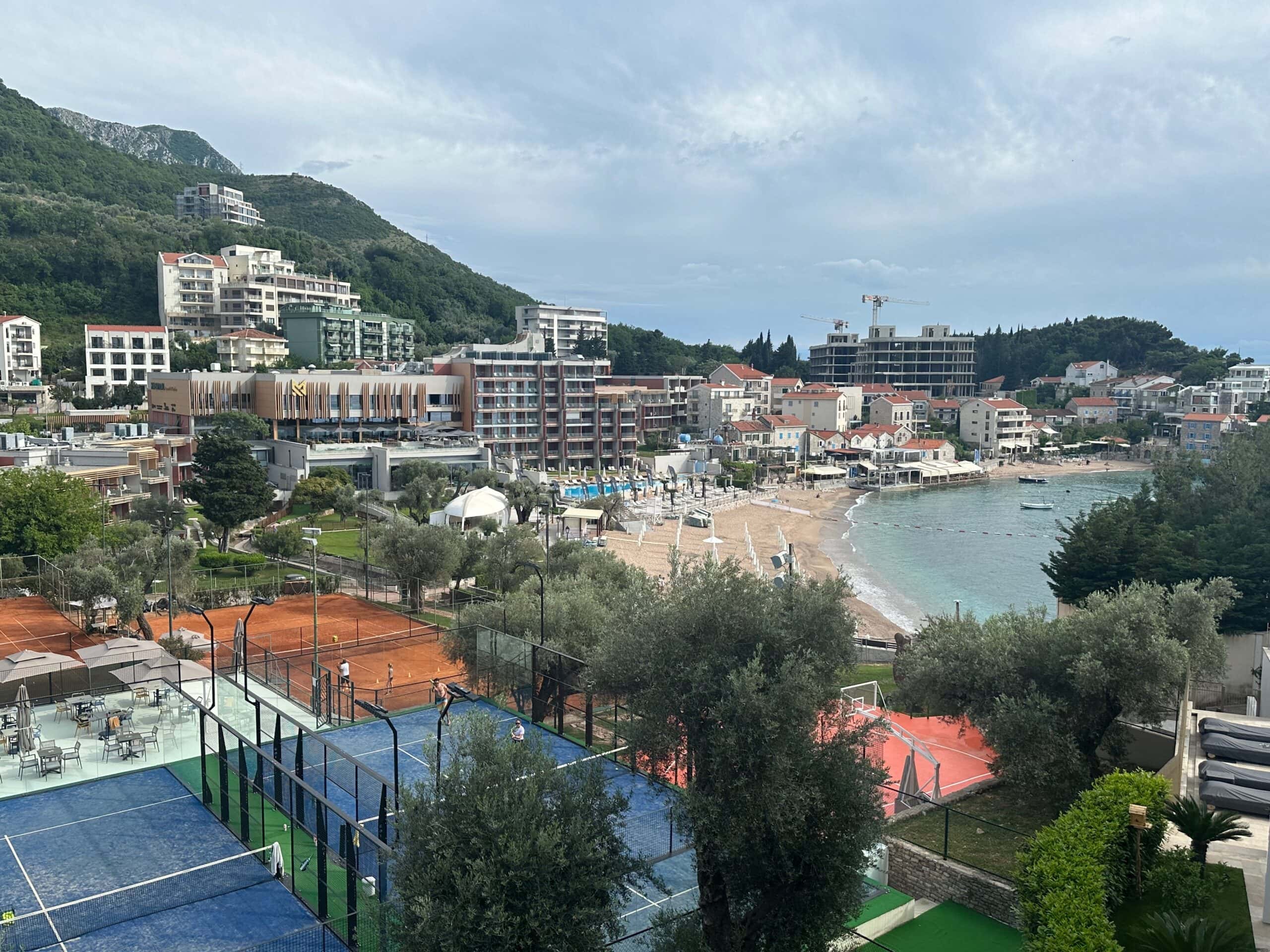
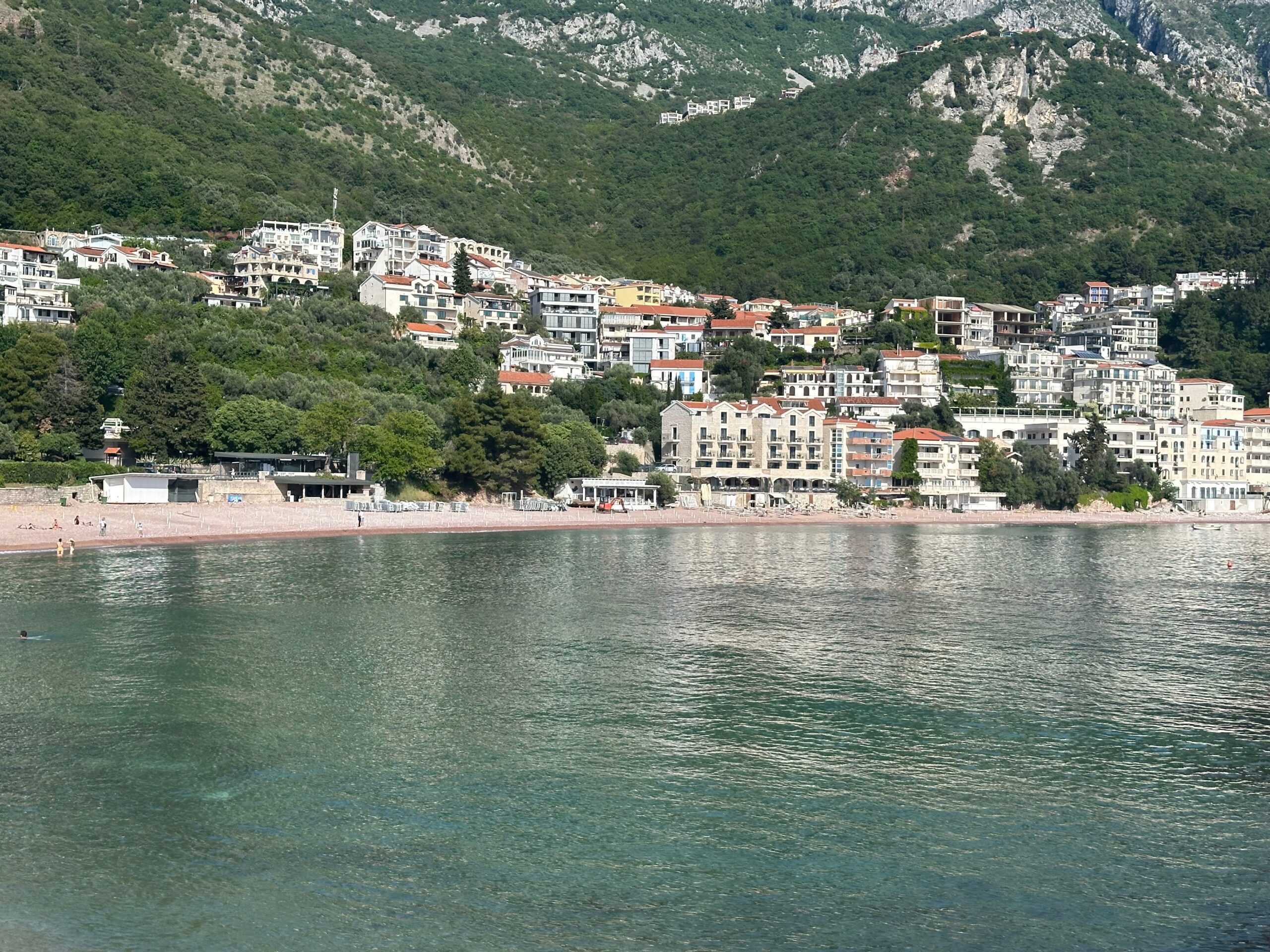
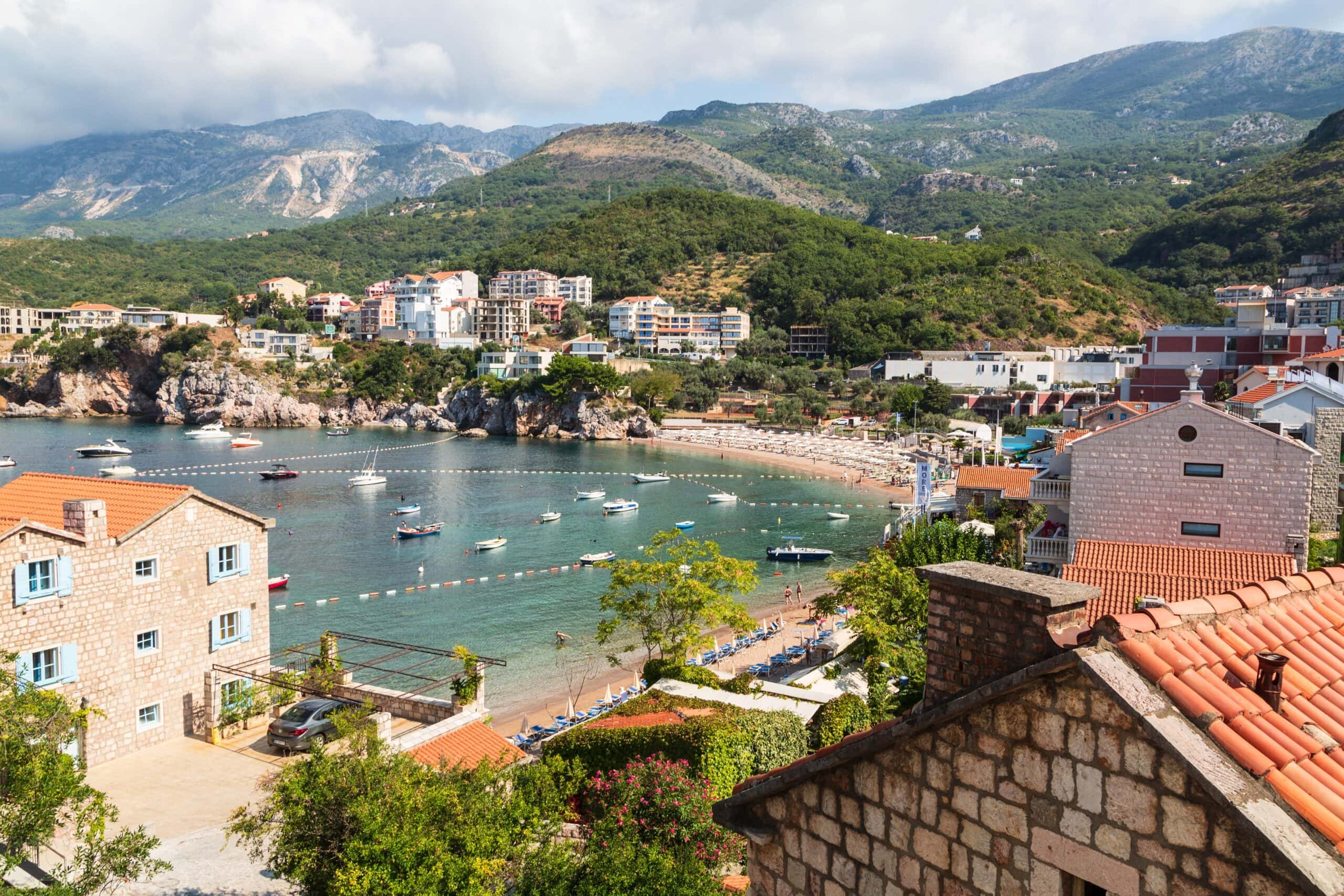
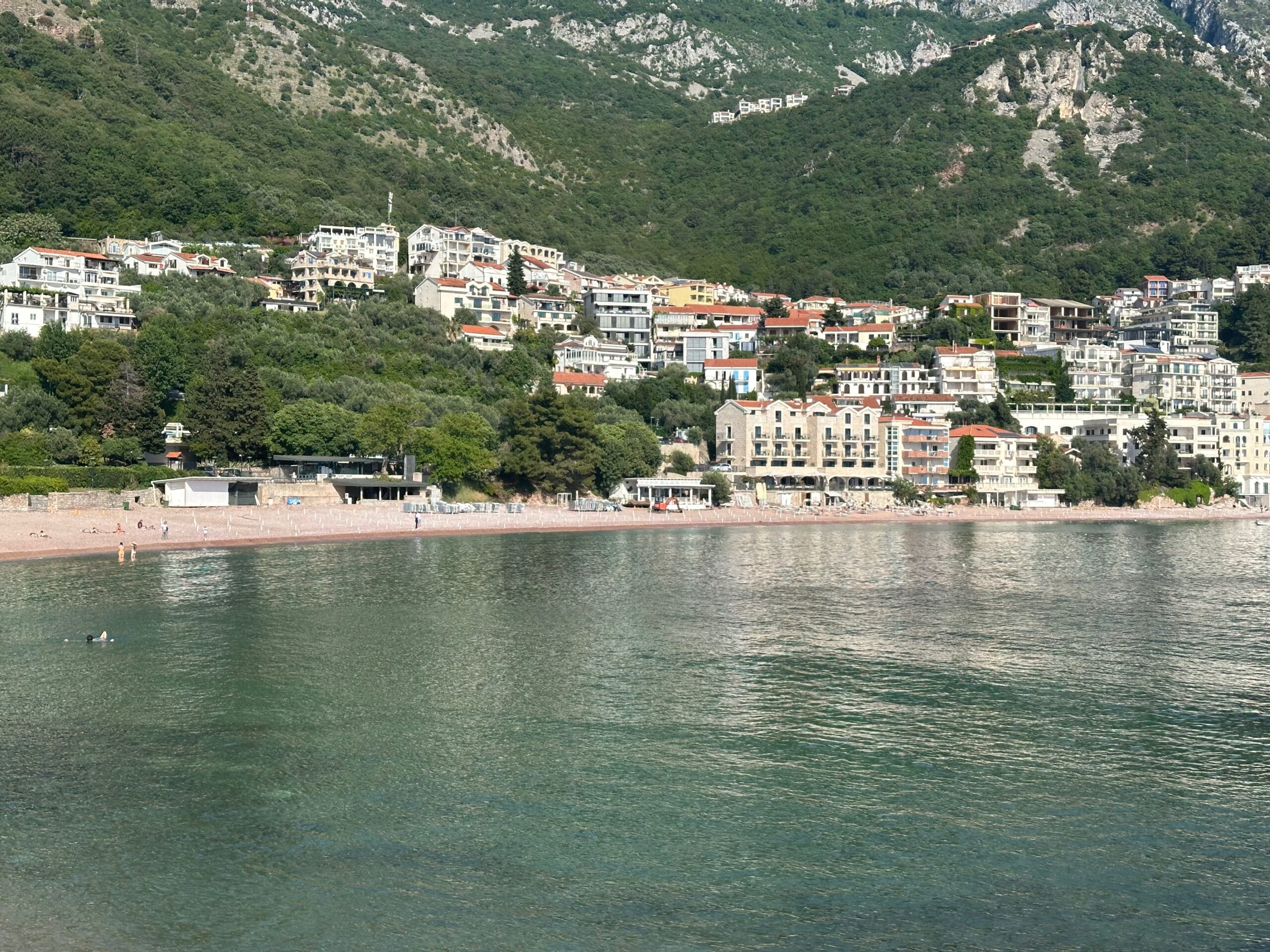
Montenegro is famous for its beautiful landscapes. You’ll find everything from stunning beaches on the Adriatic coast to breathtaking mountains. This makes it a dream location for those who love nature and the outdoors.
Imagine waking up to views of clear waters or enjoying a hike with panoramic seascapes. The landscapes here not only attract tourists but also potential property buyers who appreciate a unique environment.

🇲🇪 Strategic Location
Montenegro is located in a great spot in Europe, making it easy to travel to many major cities. It’s between countries like Croatia, Bosnia and Herzegovina, and Albania. This means you have easy access to different cultures and experiences.
The country is well-connected by road and has growing air travel options. This accessibility appeals to those looking to rent out properties as vacation homes. For those seeking a central European hub, Montenegro offers an excellent base to explore nearby countries.
🇲🇪 Growing Economy
Montenegro’s economy is on the rise, with increasing investments and development. The real estate market sees growing interest due to its stability and potential for value appreciation.
The ongoing development projects in tourism and infrastructure boost confidence in the property market. As Montenegro continues to modernize and attract business ventures, buying property here can be a smart move. You ride the wave of economic growth when investing in this vibrant market.
🇲🇪 Favorable Tax System
Montenegro has a very appealing tax system for property buyers. The property transfer tax rate is 3% to 6% of the value. Compared to many other European countries, this is quite low, benefiting you as a buyer.
The country’s tax policies are designed to attract foreign investors. This makes it easier for non-residents to own property without excessive financial burdens. Having this advantage can be crucial in making a profitable investment if you plan to rent out or sell the property in the future.
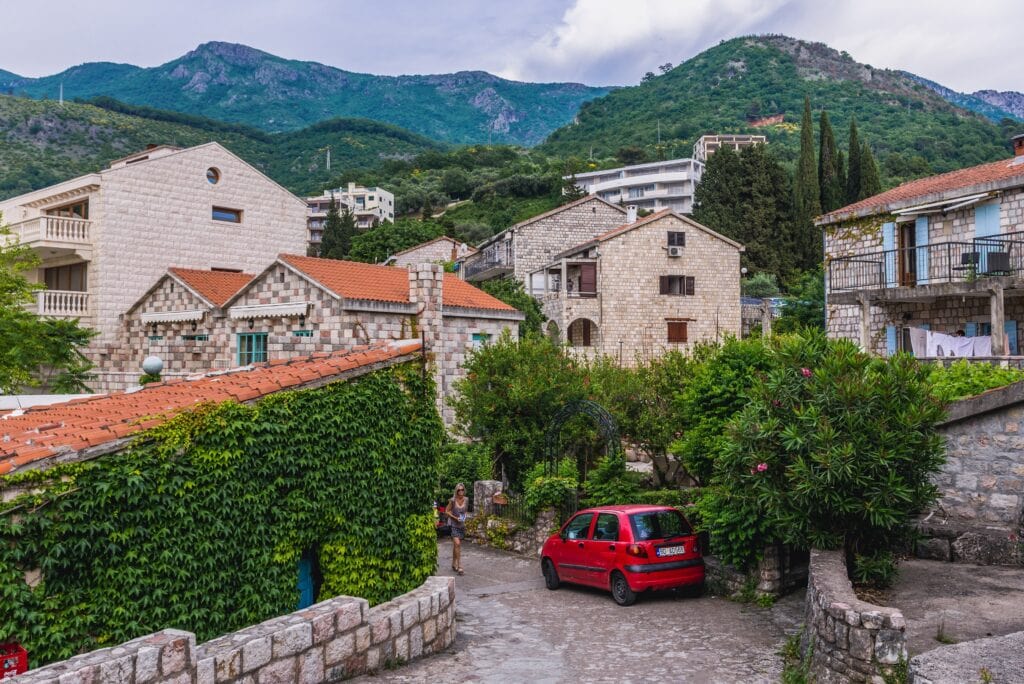
Step-by-Step Guide on How to Buy Property in Montenegro
When buying property in Montenegro, you’ll go through several important steps. These include choosing the right property, negotiating a deal, and completing legal procedures. Each part of the process is crucial for a successful purchase.
If you are ready to go ahead with a property purchase in Montengro, read my blog post on how I used Moneycorp for overseas transfers.
Head to my Resources page for more useful recommendations for your property purchase process.
👉 1. Choosing a Property
First, decide between off-plan, a new build or a resale property. It changes your taxes and timeline. Then you can think about location, size, and features. Popular areas include the sunny coastal regions popular with tourists. With so many places attracting visitors, there’s potential to earn rental income if that’s your goal.
Research the market and check listings online. Consider visiting properties to get a better idea and meet with local real estate agents who know the area well.
👉 2. Negotiating a Purchase Price
Once you find a property, it’s time to talk about the price. Negotiation is a normal part of property buying. Make an offer, but be prepared for a counteroffer. Knowing market trends can help you get a fair deal. A local real estate can support you with that knowledge and with the negotiations between you and the seller.
👉 3. Due Diligence on Title Deeds
This is the step where you hire an experienced local property lawyer. The lawyer will verify the property’s legal status. The property should have a clear title deed and be free of legal disputes. Ensuring that all property documents are accurate is not always straightforward in a country that has seen many changes in the past 50 years.
Surveyors can help you with checking the conditions of the property and the building.
👉 4. Paying a Deposit and Reservation Agreement
Paying a deposit secures your claim to the property. It shows you’re serious about buying. The amount of the deposit is usually around 10% of the purchase price. Your real estate agent will keep the money for you.
A reservation agreement (rezervacioni ugovor) is then signed between the buyer and seller.
👉 5. Agreeing Contract Terms
The Sales and Purchase Agreement outlines the rights and duties of both buyer and seller. It’s important that these terms are clearly defined in the contract. Go over details like payment methods, deadlines, and any contingencies.
Before signing, review this contract with your lawyer. Ensure it captures everything discussed, and there are no hidden surprises. It’s your chance to bring up any last-minute changes or concerns about the agreement.
👉 6. Contract Signed
Once all terms are settled, sign the contract. This makes your agreement official. Both you and the seller need to sign to proceed. This step happens at a notary’s office where documents can be legalized.
If you cannot be present to sign the contract, you can authorize your lawyer to sign it with a Power of Attorney (PoA). The PoA should be signed, notarized and legalized by an Apostille. An original copy should be sent to your lawyer.
👉 7. Full Purchase Price Paid
After signing, prepare to pay the full purchase price. The timetable for payments is generally set out in your contract. The money is transfered to the seller directly or to the notary’s escrow account.
The notary then sends the contract to Land Registry for the change of the title.
👉 8. Title Transfer Tax
Completing your purchase involves paying the title transfer tax (or property purchase tax). The amount of the tax is outlined in the next section. Paying this is a legal obligation and is due within 15 days after signing the contract. You should receive the title deed (list nepokretnosti) in your name within 60 days after paying the tax. This concludes the purchase process.
Real Estate Taxes in Montenegro
When buying property in Montenegro, one of the first things you want to think about is property taxes. These aren’t too complicated, but they are important. For how this compares with other countries, see taxes & costs of buying abroad.
Property Purchase Tax
The amount of the property purchase tax or title transfer tax depends on the value of the property. This tax is only applicable to existing properties.
- For properties below €150,000 the tax is 3% of the value of the property.
- For properties over €150,000 the tax is €4,500 + 5% of the amount that exceeds €150,000.
- For properties over €500,000 the tax is €22,000 + 6% of the amount that exceeds €500,000.
Value Added Tax (VAT)
VAT is only applicable when building a brand new property or investing in one that is being built. The VAT is 21% of the purchase price.
Property Tax
Yearly, you must also pay a property tax. This varies based on the location and size of your property. Rates can range from 0.25% to 1% of the property value. The person who uses the property is responsible for paying this tax – not necessarily the owner.
Taxes on Rental Income
The Montenegrin government charges a flat rate of 15% tax on rental income. However, you can remove 30% through expenses therefore bringing the tax on rental income down to around 10-10.5%.
Are you planning to let out your property? Here’s how to rent out your Montenegro property legally.
Tourist Tax
If you plan to rent out your property, you’ll need to pay a tourist tax or holiday home tax. This is necessary for managing short-term rentals, especially if you’re in popular tourist areas. The rate can differ by location and is usually charged per night per guest. To ensure compliance, register your property for short-term rentals with the relevant local authorities.
Capital Gains Tax
Capital gains taxes on real estate sales in Montenegro amounts to 15%.
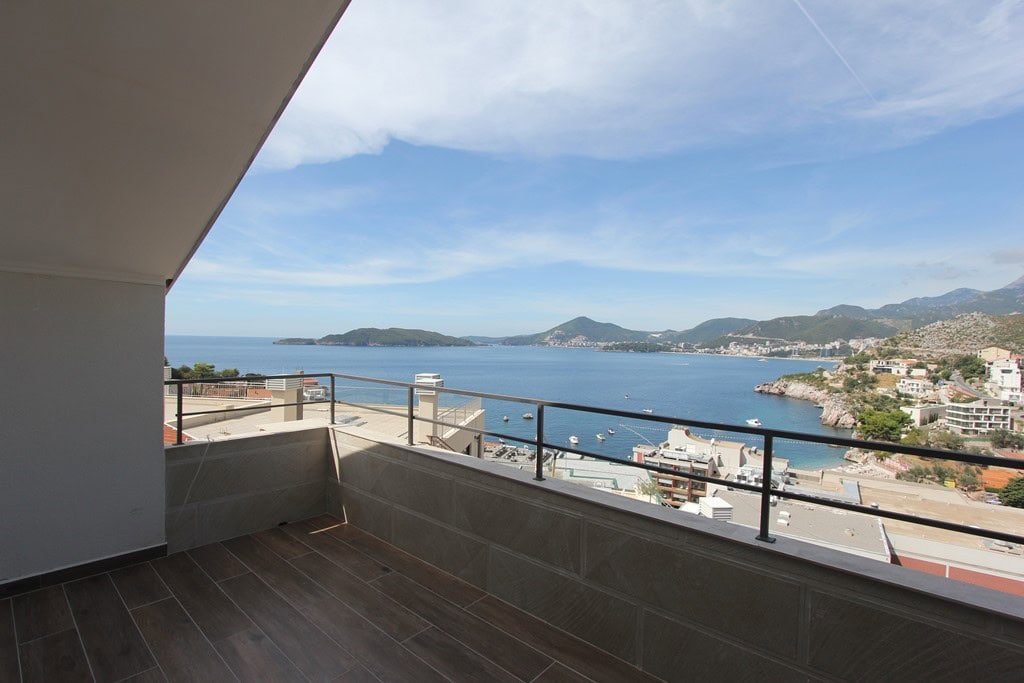
How to Buy Property in Montenegro with a Mortgage?
Thinking about purchasing real estate in Montenegro? Using a mortgage can make the process easier.
What you will need to do, is set up a bank account using your tax identification number (TIN). It is possible to get a mortgage without a local bank account but the process will be more complicated and consequently a lot longer. Banks usually offer mortgages for not more than 50% of the property value.
The amounts of loans range between €200,000 and €400,000 for a period of 20 to 25 years. There are different interest rates, but usually around 5%. Once the mortgage contract has been signed, the money will be transfered directly to the seller.
Taking out a private mortgage insurance is mandatory. Montenegro doesn’t have a national mortgage insurance set up yet.
What are the Costs Associated with Property Purchase?
When buying property in Montenegro, you need to be aware of several costs beyond the purchase price and the above mentioned taxes.
High Bank Charges
One significant expense when buying property in Montenegro can be the bank charges. If you are financing your purchase with a mortgage, banks may charge fees for loan arrangement and processing.
Opening a local bank account can also come with its own set of charges. Keep an eye out for foreign currency exchange fees when transferring money from abroad.
In addition, international transfers might be subject to charges both from your home bank and the receiving bank in Montenegro.
Other Costs
You will need to pay for notary fees, which can range from €350 to €1,000 depending on the transaction size. Some sources say that notary fees are about 0.01% of the property value.
Legal fees for your lawyer to handle the paperwork and ensure everything is in order are another important cost. Costs for a lawyer range from €500 to €1,500.
The cost for arranging the Power of Attorney depends on where you are based. The cost will be around €300. Translation costs usually amount to €50 or €100.
The seller is usually responsible for paying the real estate agent fees which range around 3 to 6% of the property value.
After Purchase Tasks
Once you’ve bought your property in Montenegro, there are a few important steps to handle. Other than the already mentioned taxes, you will need to set up and manage utilities and property insurance.
Transfer of Utilities and Communal Services
Transferring utilities such as water and electricity to your name is an important step after purchasing a property. Contact the relevant service providers to initiate the transfer process. You may need to provide identification and proof of ownership. Your real estate agent can help you with the transfer.
Additionally, inquire about communal services like waste collection, which are usually managed by local municipalities.
Property Insurance
Getting property insurance is a smart move to protect your investment. Look for plans that cover various risks such as natural disasters, theft, and damage. Compare different insurance providers to find a policy that meets your needs and budget. Make sure to read the terms and conditions carefully, so you know what is covered.
Residency and Citizenship Options
When you buy property in Montenegro, it opens doors for you to explore residency options. Purchasing real estate can be a pathway to residency. This means if you own property, you have more than just a home; you have a potential residency opportunity.
If you spend 11 months a year in Montenegro, you maintain your residency without needing to reapply annually. Staying less requires reapplying each year.
Permanent residency decisions usually take about 60 days after you apply. However, it can take up to six months in some cases. Once granted, a permanent residency permit is valid for five years.
Montenegro used to offer a citizenship by investment programme but that was cancelled in 2022. Foreign nationals are now granted citizenship by naturalization after 10 years of continuous residence in Montenegro with a residency permit.
Conclusion: How to Buy Property in Montenegro
Buying property in Montenegro can be a rewarding adventure. This Balkan country offers beautiful landscapes and a unique culture. From the sunny beaches to the picturesque mountains, every corner has its own charm.
The real estate sector has become much more regulated in the past decade. The buying process still involves a lot of paperwork, but it can easily be done by an experienced local property lawyer. The real estate tax levels in Montenegro are also not as high as in most other European countries.
If you are buying property in Montenegro, remember to take your time, do your research, surround yourself with trusted professionals, and enjoy the journey!
Weighing up other countries too? Then start with buying property abroad.



For everything else on buying and living in Montenegro in one place, check out my complete Montenegro Property & Relocation Guide.
