

Budget for Buying Property Abroad: 10 Steps to Avoid Surprises

Buying property abroad is exciting, but working out how much you can really afford to spend is more complicated than simply looking at your savings and choosing a property price.
The asking price is only the beginning.
You also need to budget for taxes, legal fees, currency transfers, financing, travel, ongoing ownership costs, and the unexpected expenses that almost always appear somewhere along the way.
Having bought property in London, purchased a coastal apartment in Montenegro, and currently going through the condo-buying process in Chiang Mai, I’ve learned that every country has its own surprises.
The biggest mistake you can make is deciding how much property you can afford before calculating everything else.
The biggest mistake you can make is asking:
“How much property can I afford?”
A better question is:
“How much can I afford to spend on buying and owning property abroad?”
A realistic international property budget should include:
| Budget category | What to include |
| Property price | The agreed purchase price |
| Taxes and fees | Transfer taxes, registration and government charges |
| Professional costs | Lawyers, surveyors and other specialists |
| Financing | Mortgage fees, interest and bank charges |
| Currency transfers | Exchange-rate movements and transfer costs |
| Travel and setup | Viewing trips, furniture and relocation costs |
| Ongoing ownership | Tax, insurance, maintenance and utilities |
| Contingency | Money for unexpected expenses |
Let’s go through the process step by step.
Table of Contents

Plan Your Property Investment
With My Trusted Resources
– Make money transfers for less with: Wise
– Book your flights and hotels: Trip.com
Booking.com
– Book your airport transfers here: Kiwitaxi
– Rent cars here: DiscoverCars
– Hire affordable shipping services here: Eurosender
✅ Step 1: Set Your Total Budget Before Looking at Properties
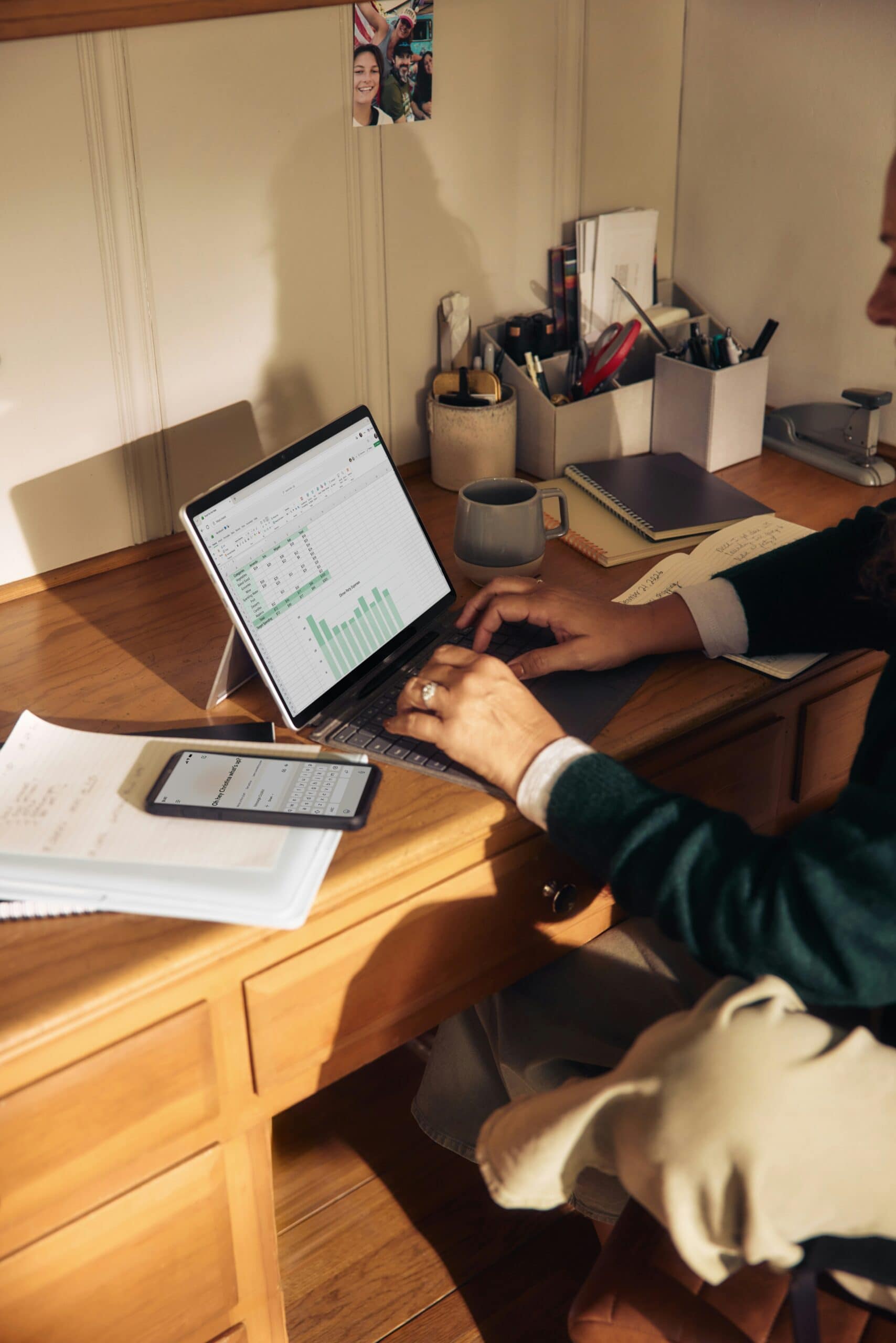
Before you start browsing property websites, decide how much you can comfortably spend in total.
This is particularly important when buying abroad because the purchase itself is only one part of the financial commitment.
You also need to consider why you’re buying, how long you expect to own the property, and how much financial flexibility you want to keep.
| Question to ask | Why it matters |
| How much cash is actually available? | Don’t include money you may need elsewhere |
| Why am I buying? | A retirement home, holiday home and rental property need different budgets |
| How long will I own it? | This can affect financing and long-term costs |
| Will I rely on rental income? | Rental income should be estimated conservatively |
| How much cash should remain untouched? | You still need savings outside your property budget |
If you’re buying primarily for lifestyle reasons, don’t let optimistic rental projections convince you to spend more than you’re comfortable with.
And if you’re approaching retirement or relying on savings, keeping financial flexibility can be more important than buying the nicest property you can technically afford.
💡My advice: Set your absolute maximum budget first. Then work backwards to calculate how much of that budget can actually go towards the property itself.
✅ Step 2: Research Property Prices in Your Chosen Area
Once you know your overall budget, you can start researching what it will realistically buy.
Prices can vary enormously within the same country. A property near the beach, in a historic city centre, or close to good healthcare may cost considerably more than something just 20 or 30 minutes away.
| Factor | How it can affect the price |
| Location | Popular areas usually cost more |
| Property type | Villas and houses are often more expensive than apartments |
| Size | More bedrooms and space generally mean higher costs |
| New build vs resale | New builds may cost more upfront; resales may need work |
| Infrastructure | Good roads, healthcare and internet can increase prices |
| Environmental risks | Flooding or other risks can affect insurance and resale value |
Look at a good number of properties rather than falling in love with the first few listings you see.

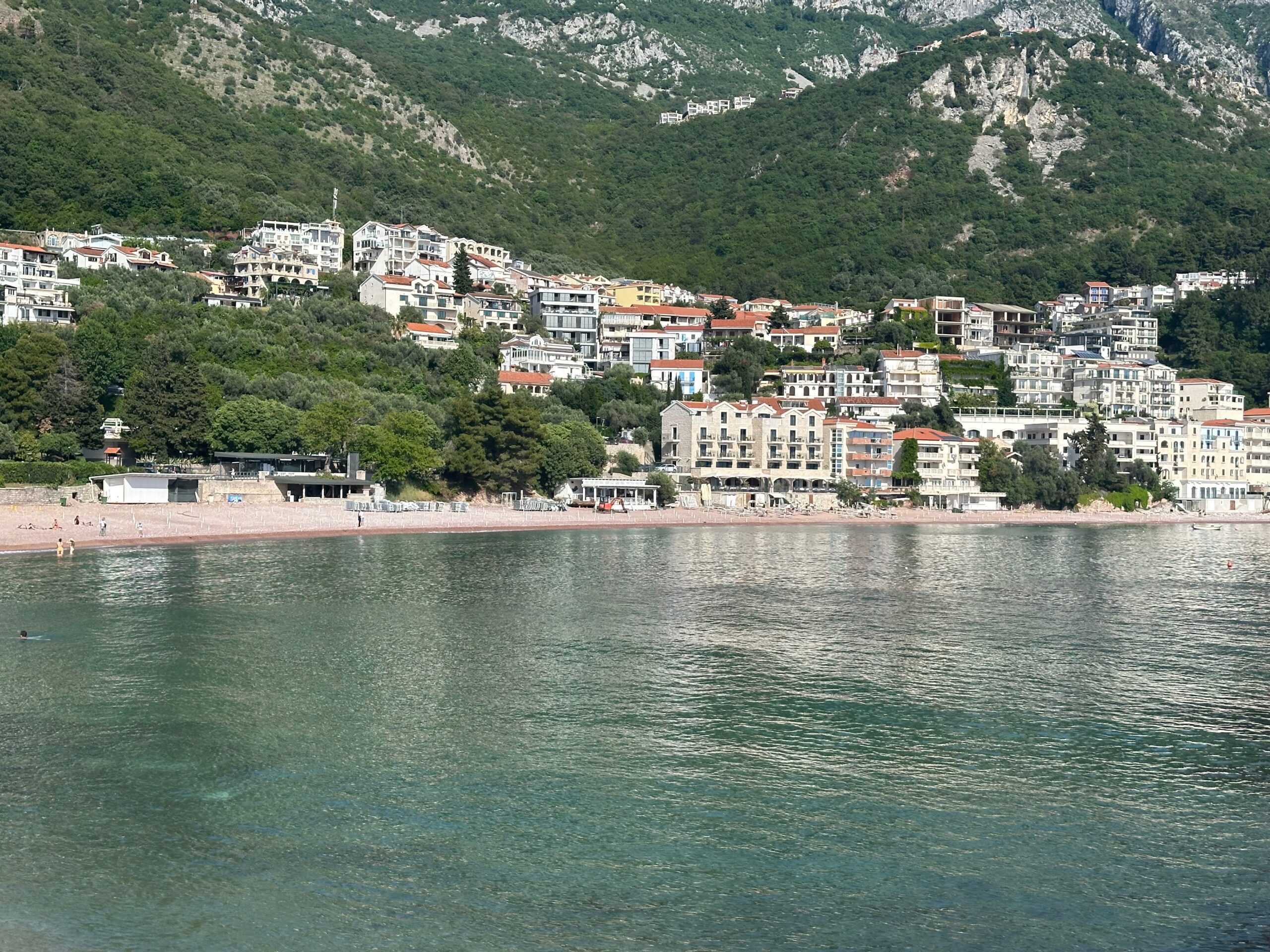
You should also think about your lifestyle. A cheaper property in a remote area isn’t necessarily a bargain if you’ll need to drive long distances for supermarkets, healthcare, restaurants or an airport.
✅ Step 3: Calculate Property Taxes and Government Fees
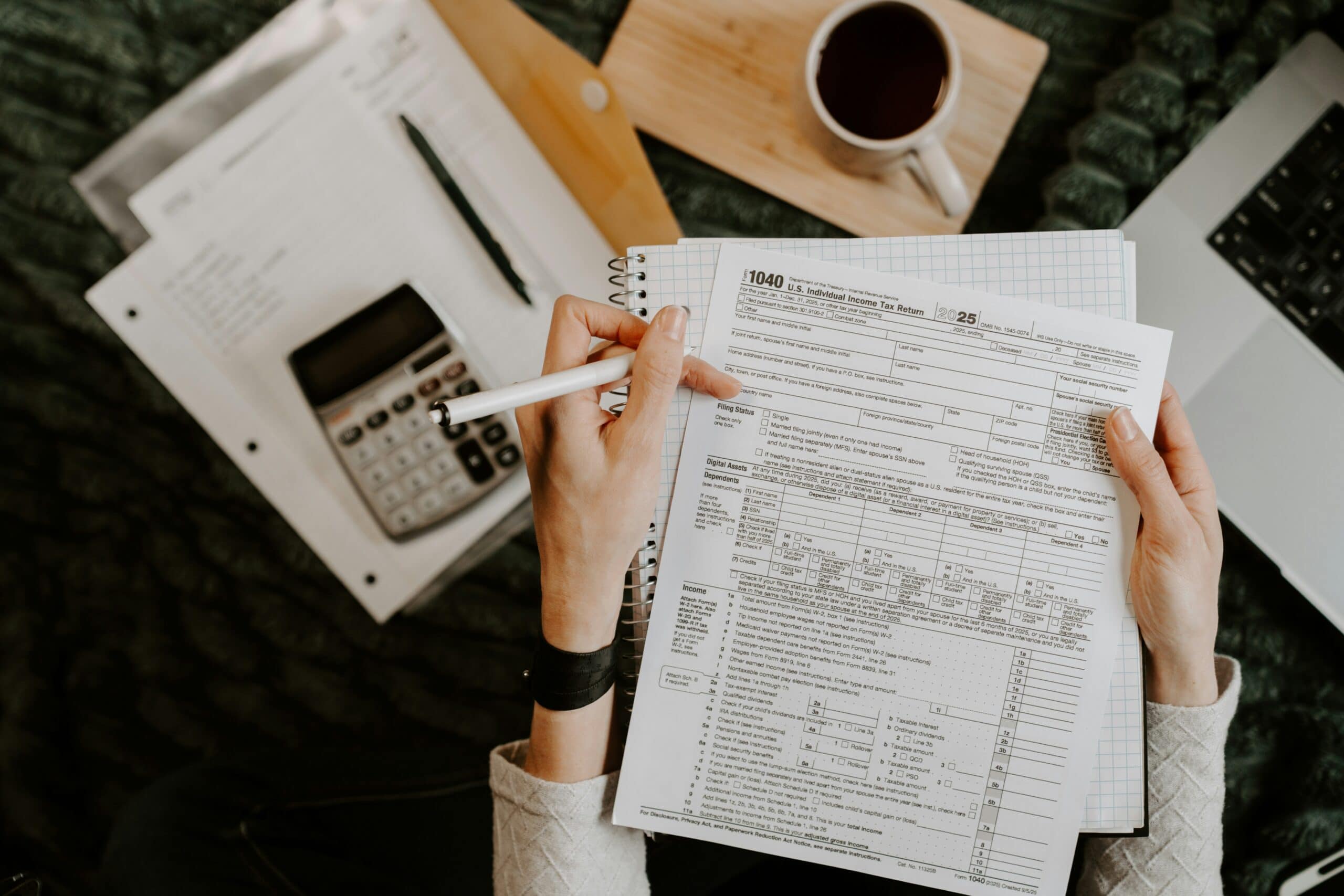
Buying costs vary dramatically from country to country.
Some destinations have relatively low purchase taxes. Others can add a significant percentage to the cost of buying.
Before making an offer, find out exactly which government charges apply to your purchase.
| Cost | What to check |
| Transfer tax | The percentage charged when ownership changes |
| Stamp duty | Whether an additional duty applies |
| Registration fees | Costs for registering the property |
| Notary fees | Required in many countries |
| Foreign buyer charges | Additional taxes or fees for non-residents |
| Annual property taxes | Your ongoing ownership costs |
You also need to understand the local ownership rules.
In some countries, foreigners cannot own certain types of property directly. You may encounter leasehold arrangements, ownership restrictions or additional registration requirements.
💡Don’t assume the buying process works like it does at home.




✅ Step 4: Budget for Legal and Professional Help

Professional fees can feel expensive when you’re trying to stay within budget.
But buying property abroad often means dealing with an unfamiliar legal system, different contracts and sometimes a language you don’t fully understand.
That makes independent professional advice particularly valuable.
| Professional | What they can help with |
| Independent lawyer | Contracts, ownership and legal due diligence |
| Notary | Completing the official transaction where required |
| Surveyor or inspector | Identifying structural or maintenance problems |
| Tax adviser | Understanding local and international tax obligations |
| Translator | Making sure you understand important documents |
💡One thing I’d be particularly careful about is relying entirely on an estate agent. An agent may be helpful, but they are not necessarily there to protect your interests.
An independent professional who works for you can help identify problems before they become your problems.
✅ Step 5: Understand Your Financing Costs
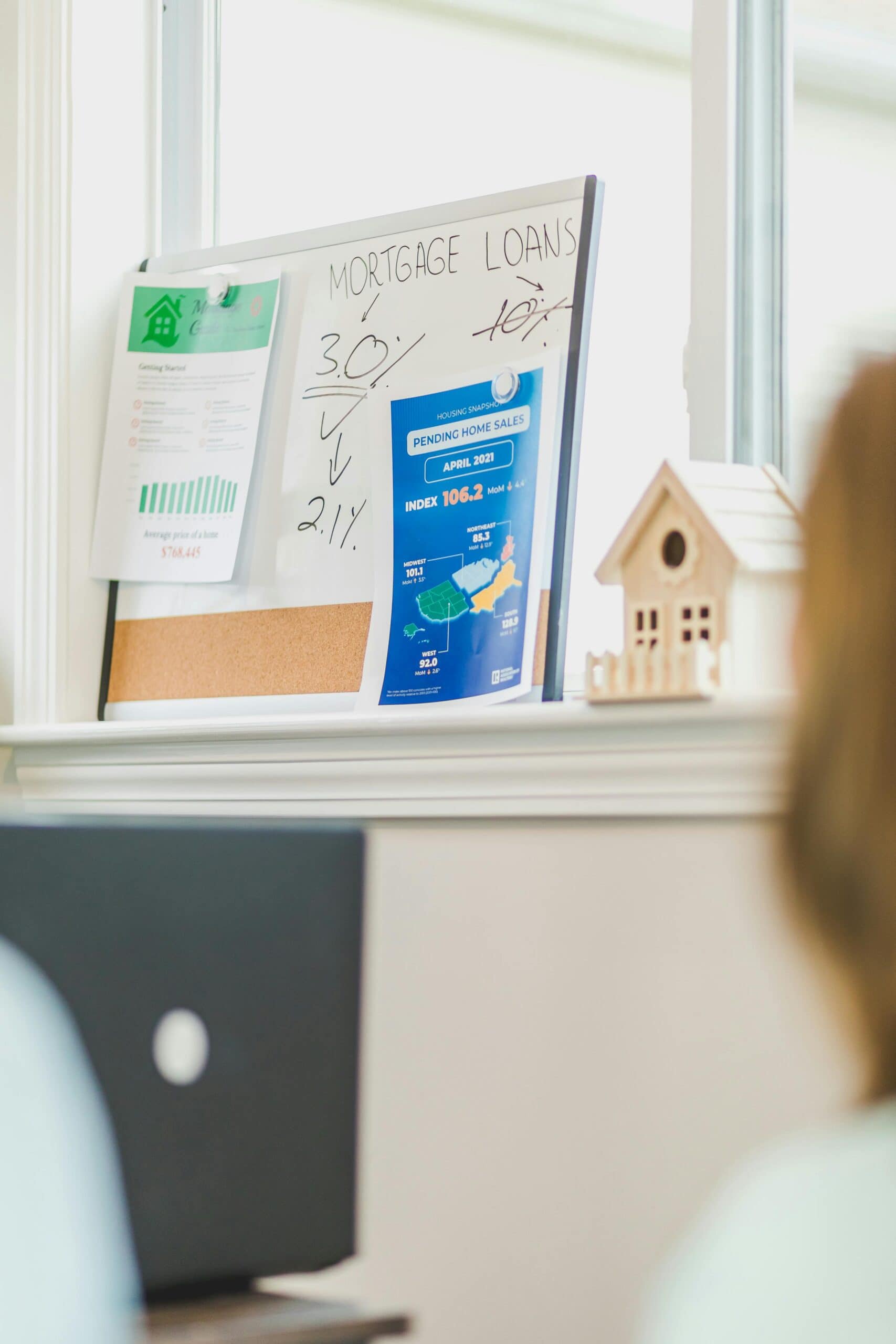
If you’re financing your property, the mortgage itself is only part of the calculation.
Foreign buyers often face stricter lending requirements, larger down payments and additional bank charges.
| Financing cost | What to consider |
| Down payment | Foreign buyers may need more cash upfront |
| Interest rate | Compare local and home-country options |
| Mortgage fees | Arrangement and application costs |
| Property valuation | Often required by the lender |
| Legal fees | Mortgage documents may require additional legal work |
| Loan term | Shorter terms can mean higher monthly payments |
Your expected ownership period also matters.
If you only expect to own the property for a few years, expensive mortgage setup costs may make less sense than they would for a long-term purchase.
Before committing, ask yourself one important question:
Could you still comfortably afford the property if your financial situation changed?
If the answer is no, you may be stretching your budget too far.
✅ Step 6: Calculate Currency Exchange and Transfer Costs

Currency exchange is one of the easiest costs to underestimate when buying property abroad.
When you’re transferring hundreds of thousands of pounds, dollars or euros, even a relatively small movement in the exchange rate can make a difference of thousands.
| Currency issue | Potential impact |
| Exchange-rate movements | The property can become more expensive in your home currency |
| Bank exchange margins | You may receive a poor conversion rate |
| Transfer fees | Costs can add up on large international transfers |
| Payment timing | Deposits and completion may happen months apart |
This is something I experienced when buying property abroad myself.
The exchange rate you see when you first find a property may not be the rate you receive when you actually complete the purchase.
You can reduce some of this risk by comparing banks with specialist currency providers and understanding your options before money needs to be transferred.
💡The important thing is not to leave this decision until the last minute.

How to Save Thousands Transferring Money for Property Abroad
Currency exchange is such a critical area when buying property abroad and is often overlooked by careless or inexperienced buyers….
✅ Step 7: Calculate Your Ongoing Property Ownership Costs
Your costs don’t stop when you receive the keys.
This is particularly important if you’re buying a second home, retirement property or somewhere you won’t live full-time.
| Ongoing cost | Examples |
| Property tax | Annual or local property taxes |
| Insurance | Building, contents and liability cover |
| Utilities | Electricity, water, internet and other services |
| Maintenance | Repairs and regular upkeep |
| Community fees | Apartments, condos and gated communities |
| Property management | Regular checks or rental management |
Older properties may require significantly more maintenance than new builds.
And if you’re not living there full-time, you may need someone locally to check the property and deal with problems.
For lifestyle buyers, also think beyond the property itself.
The wider cost of living matters too, particularly healthcare, transport and everyday expenses.
A cheap property isn’t necessarily a cheap place to live.
✅ Step 8: Include Travel, Furnishing and Setup Costs
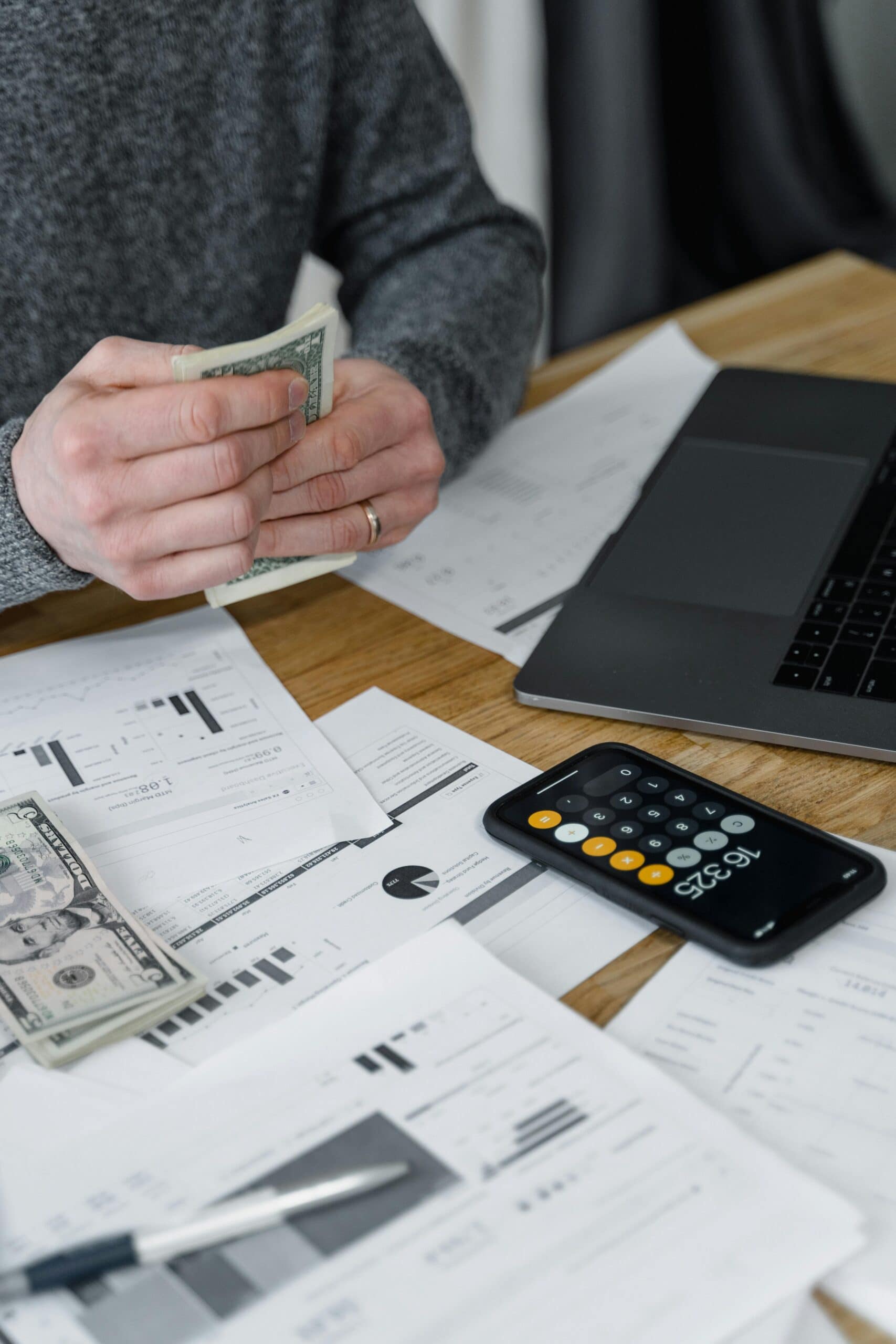
These are the expenses that are easy to forget when you’re focused on the purchase.
Buying property abroad may require several trips rather than just one viewing holiday.
You may also be starting with an empty property that needs furniture, appliances and other essentials.
| Cost | Examples |
| Viewing trips | Flights, hotels and local transport |
| Buying process | Additional trips for meetings or signing |
| Furniture | Beds, sofas and other essentials |
| Appliances | Kitchen and household equipment |
| Renovations | Painting, repairs or improvements |
| Utility setup | Deposits, connections and installation |
💡Before buying, try to estimate what it will actually cost to get the property ready for the way you plan to use it.
A cheaper property can quickly become more expensive once you add renovation, furniture and travel costs.
✅ Step 9: Keep a Contingency Fund for the Unexpected

No matter how carefully you plan, unexpected costs can appear.
This is especially true when you’re buying in another country with a different legal system, unfamiliar contractors and potential currency movements.
| Unexpected cost | Examples |
| Property problems | Repairs discovered before or after purchase |
| Currency movements | A worse exchange rate before completion |
| Legal issues | Additional professional advice |
| Administrative delays | Extra paperwork or travel |
| Renovation costs | Quotes coming in higher than expected |
| Emergency repairs | Plumbing, electrical or structural problems |
A reasonable contingency fund will depend on the property and the complexity of the purchase.
A newer apartment in good condition may need less flexibility than an older property that requires renovation.
My biggest piece of advice is simple: don’t spend every penny you have on the purchase itself.
Keeping money in reserve gives you options when something doesn’t go according to plan.
✅ Step 10: Put Everything Into a Property Budget Planner
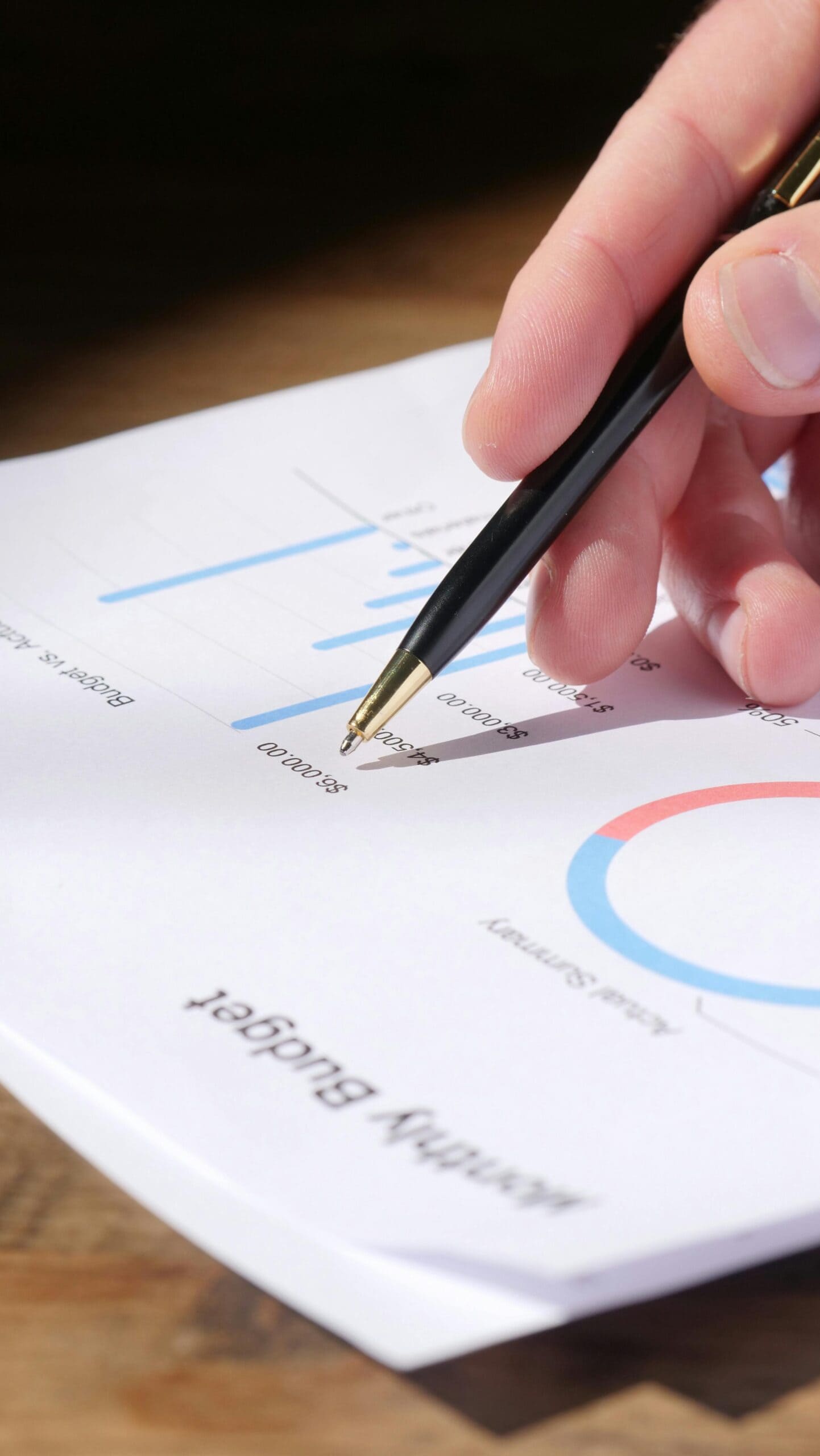
Once you’ve researched the likely costs, the next challenge is keeping track of everything.
When you’re buying property abroad, expenses can come from many different places: the purchase price, taxes, legal fees, currency transfers, travel, furnishing and ongoing costs. Looking at those numbers separately can make it difficult to see what the purchase will really cost you.
That’s why I find it helpful to put everything into one simple budget.
You can use your own spreadsheet, of course. But to make this easier, I’ve created a free International Property Budget Planner based on the different costs I’ve discussed throughout this article.
It gives you one place to add and review the main expenses involved in buying property abroad.
| Budget area | What you can keep track of |
|---|---|
| Property purchase | The agreed purchase price |
| Buying costs | Taxes, registration and government fees |
| Professional fees | Legal, survey and other costs |
| Currency transfers | Exchange and transfer costs |
| Travel and setup | Viewing trips, furniture and other expenses |
| Ongoing costs | Costs you’ll face after buying |
| Contingency | Money set aside for unexpected expenses |
The aim isn’t to predict every expense perfectly before you start.
It’s to make sure you’re looking at the complete financial picture, rather than focusing only on the property price.
As you get more accurate quotes and information, you can update the numbers and see how they affect your overall budget.
You can download my free International Property Budget Planner below if you’d like a simple starting point.
🚫 5 Common Budgeting Mistakes When Buying Property Abroad

1. Focusing only on the purchase price
The listing price is only one part of your total cost.
2. Assuming rental income will cover everything
If you plan to rent the property, use conservative estimates and allow for vacancy and maintenance.
3. Forgetting about currency risk
Exchange rates can move significantly between making an offer and completing the purchase.
4. Ignoring ongoing expenses
Property taxes, insurance and maintenance continue for as long as you own the property.
5. Spending your entire budget
Always keep money available for unexpected costs.
📋 A Simple Final Checklist Before You Make an Offer
Before committing to a property, make sure you can answer yes to these questions:
| Question | ✓ |
| Have I calculated all taxes and buying fees? | |
| Do I understand the local ownership rules? | |
| Have I budgeted for independent legal help? | |
| Have I considered currency exchange costs? | |
| Can I comfortably afford the ongoing costs? | |
| Have I included travel and setup expenses? | |
| Do I have a contingency fund? | |
| Could I still afford the purchase if costs increase? |
If you’re unsure about several of these points, spend more time researching before making an offer.
A little more preparation before buying can potentially save you a lot of money afterwards.
Conclusion: Know What You Can Really Afford
Buying property abroad can be an exciting opportunity, whether you’re looking for a retirement home, a holiday property or a completely new lifestyle.
But the purchase price alone doesn’t tell you how much you can really afford.
A realistic budget needs to include the full cost of buying and owning the property.
My biggest lesson from buying property abroad is simple:
Don’t ask, “How much property can I afford?”
Ask:
“How much can I afford to spend on the entire process of buying and owning this property?”
That change in thinking can help you avoid many of the expensive surprises that catch international buyers off guard.
