

NordVPN for Expats: Secure Banking & Streaming Abroad

If you’re living abroad, moving overseas, or travelling between countries, there are a few things you probably think about before you leave.
Where will I stay/live?
How good is the healthcare?
Will I be able to access my bank?
Will I be able to watch my favourite TV programmes?
And, perhaps less excitingly, how am I going to stay safe online?
A VPN probably isn’t at the top of your relocation checklist.
But after using one in many different countries myself, I think it’s worth having when you’re staying abroad.
I use NordVPN, and in this article, I’ll explain why.
Table of Contents
What is a VPN?
A VPN, or Virtual Private Network, creates an encrypted connection between your device and the internet.
In other words, it gives you another layer of privacy when you’re online and can make it appear as though you’re connecting to the internet from a different location.
As for NordVPN, it offers additional security features such as a kill switch, DNS leak protection, and tools designed to block malicious websites and phishing attempts.
What I love about NordVPN is that you don’t need to understand all the technical details to use it.
Just open the app, choose a country, use Quick Connect, and you’re connected.
Why Would an Expat Need a VPN?

When you move abroad, your internet habits don’t necessarily change, and you might still need access to some services in your home country.
You’ll use messaging, email, and online banking apps and websites.
You’ll watch Netflix or other streaming services.
You may book flights, hotels, and restaurants.
And if you’re retired, you might spend quite a bit of time online keeping in touch with family and friends back home.
The difference is that you’re now doing all of this from a different country.
That’s where a VPN can become useful.
1. Using Public Wi-Fi More Safely
This is probably the most straightforward reason to use a VPN.
When you’re travelling or living abroad, you’ll often use Wi-Fi in hotels, airports, cafés, restaurants, and other public places.
I certainly do.
A VPN encrypts your internet traffic, adding another layer of protection when you’re connected to networks beyond your control.
I’m not suggesting that every public Wi-Fi network is unsafe.
But when I’m sitting in an airport or café and need to check something important online, I prefer having that extra layer of protection.
Especially if I’m accessing sensitive information.

2. Accessing Services from Your Home Country
This is the feature that becomes most noticeable when you live abroad.
Let’s say you’ve moved from the UK to Spain, Thailand, or Montenegro.
You may still want to access websites and online services that you’re used to using at home.
A VPN can allow you to connect through a server in your home country, giving websites the impression that you’re browsing from there.
NordVPN’s SmartPlay technology is designed to help with accessing streaming content while travelling, and the company says it works automatically when you’re connected through its VPN.
This can be particularly useful for expats who want to keep some connection with home.
For example, you might want to watch your usual TV programmes, check websites, or access a service that behaves differently depending on where you’re connecting from.
Just remember that individual streaming services have their own terms and can change how they handle VPN connections.
3. Keeping Your Online Life More Private
Moving abroad means you may be using internet connections that are unfamiliar to you.
Your internet service provider can see information about your internet activity, and websites can see your IP address.
A VPN hides your real IP address and routes your traffic through the VPN server.
NordVPN operates a no-logs policy and provides encryption and DNS leak protection as part of its service.
For me, this is reassuring because it gives me a bit more control over my online privacy.
My Experience Using NordVPN Abroad
I’ve travelled long and widely enough to know that internet connections can vary considerably from one country to another.
Sometimes everything works perfectly.
But sometimes, a website doesn’t behave as you’d expect. You’re relying on public Wi-Fi, or you cannot access a website you regularly use at home.
Having NordVPN installed on my phone and laptop means I can do all of these.
If I want to connect through another country, secure my connection, and access something from home, with NordVPN, I can.
It’s very convenient.
And that’s the main reason I’ve used NordVPN in many different countries and continue to do so.
How I Use a VPN When Travelling

I don’t leave my VPN running and obsess over every connection. Instead, I tend to use it in a few specific situations.
At Airports, Hotels, and Cafés
Wi-Fi in these public spaces is convenient, but it’s not a network I control. When I need to check my emails, do online work, and access important information on my laptop or phone, I turn on my VPN beforehand. It just takes a few seconds.
When I’m Abroad for a Longer Period
If you’re spending a few weeks or months in another country, you’re no longer simply a tourist.
You’re starting to rely on local internet connections for everything.
At that point, having a VPN on your phone, tablet, and computer makes sense to me.
Can I Use NordVPN on Several Devices?

Yes, one NordVPN account can currently be used on up to 10 devices simultaneously.
That is more than enough for most people.
You and your partner might have:
- Your phone
- A laptop
- A tablet
- A smart TV
So you don’t necessarily need a separate VPN subscription for every device.
What About Banking When You’re Abroad?
A VPN can be useful for protecting your connection when accessing online banking, particularly on public Wi-Fi.
But I wouldn’t assume that your bank will always work normally when you’re connected to a VPN.
Some banks and financial services use location and security checks that can block your access when your IP address suddenly appears to be somewhere different.
If you’re accessing your bank, I would always make sure you’re using the bank’s official website or app and follow its security procedures.
And if something doesn’t work with the VPN switched on, try temporarily disconnecting it rather than repeatedly trying different servers.
Does a VPN Make You Completely Anonymous?
No, a VPN improves your privacy, but it doesn’t make you completely anonymous online.
Websites can still collect information about you.
If you’re logged into Google, Facebook, your bank, or another account, that service obviously knows who you are.
Think of a VPN as an additional privacy and security layer rather than some kind of invisibility cloak.
Is NordVPN Difficult to Use?
Not in my experience.
The basic process is very simple:
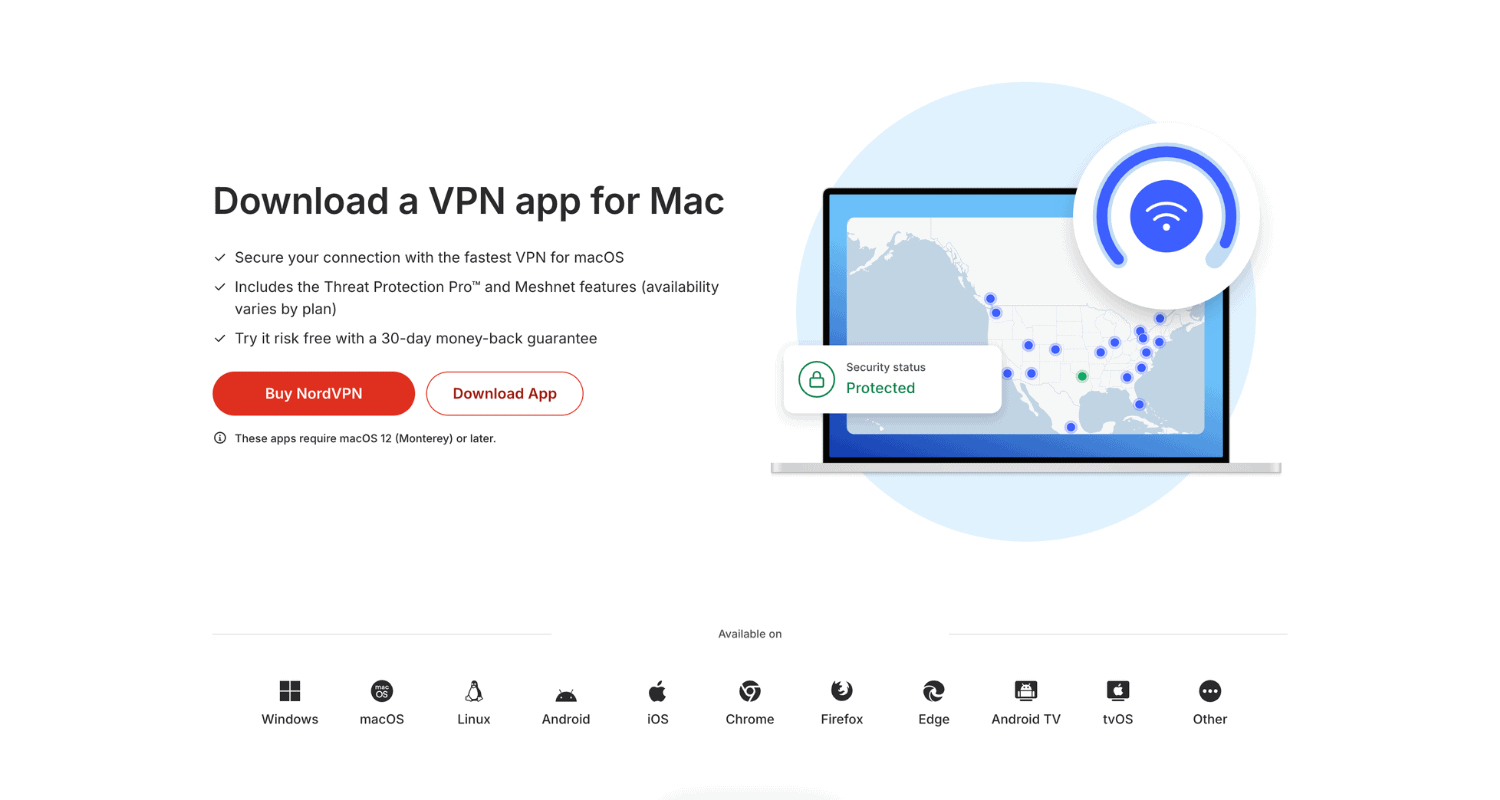
- Download the NordVPN app.
- Log into your account.
- Choose a server or use Quick Connect.
- Connect.
- Use the internet as normal.
NordVPN currently offers apps for the major desktop and mobile platforms, and it also provides 24/7 customer support.
You can also leave the more advanced settings alone if you don’t need them.
You don’t need to become a VPN expert to benefit from using one.
What I Like About NordVPN
There are several things I particularly like about it.
It’s Easy to Use
It doesn’t take 10 minutes to configure something every time I connect to the internet.
It Works Across Multiple Devices
Being able to use one subscription across my different devices is useful when travelling.
There are Servers Around the World
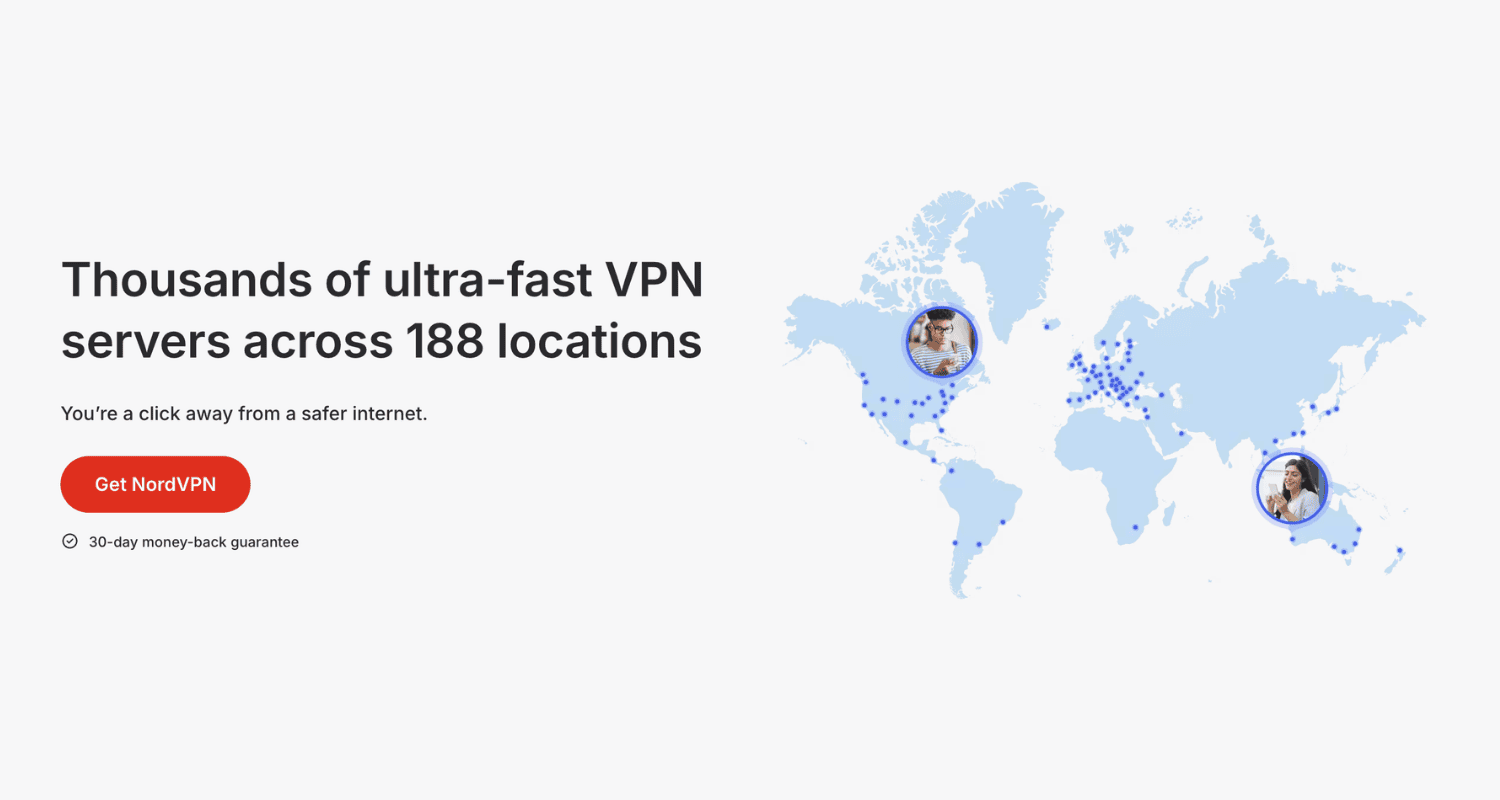
NordVPN currently advertises servers across more than 188 locations worldwide.
That gives you plenty of options when you’re moving between countries.
It Has More Than Just the Basic VPN
NordVPN has added several security features over the years, including scam and malware protection, Dark Web Monitor, Double VPN, and a kill switch.
You may never use all of them.
I certainly wouldn’t choose a VPN simply because it has the longest list of features.
But having them available is useful.
Are There Any Downsides?
Of course, a VPN is another subscription to pay for.
And although NordVPN is easy to use, there can occasionally be situations where a particular website or service doesn’t work properly while you’re connected.
You may also notice a small reduction in connection speed depending on the server you’re using and the quality of your underlying internet connection.
For me, those are relatively minor inconveniences compared to the benefits.
But I’d rather be honest about them than tell you that a VPN is some essential magic solution to every problem you encounter abroad.
It isn’t.
It’s simply a useful tool.
Do You Really Need a VPN When Living Abroad?
I wouldn’t say that everybody needs one.
If you only use your own mobile data, rarely connect to public Wi-Fi, and don’t care about accessing services from your home country, you may decide that you don’t need it.
But if you’re living abroad or travelling frequently, I think there are some good reasons to have one.
For me, the biggest ones are:
- Security: An additional layer of protection when using public Wi-Fi.
- Privacy: Your real IP address is hidden when you’re connected to the VPN.
- Access: You can connect through servers in different countries.
- Convenience: It works across the devices I use every day.
- Peace of mind: Once it’s set up, I don’t have to think about it very much.
And that last point is probably the biggest one for me.
When you’re moving abroad, there are already enough things to think about, like visas, healthcare, insurance, a place to stay/live, opening a bank account, and buying or renting a property.
You don’t need your internet connection to become another headache.
My Verdict: Is NordVPN Worth Having as an Expat?
I’ve used NordVPN in many different countries, and I continue to use it because it solves practical problems for me when I’m abroad.
I particularly like having it available when I’m using public Wi-Fi, and I find being able to connect through different countries useful when travelling.
If you’re moving abroad permanently, spending several months a year overseas, or simply travelling frequently, I’d consider a VPN one of those small pieces of technology worth having.
It isn’t going to transform your life abroad.
But it can make your online life a little safer, more private, and more convenient.
👉 Check out NordVPN here if you’d like to see the current plans and features.
Prices, features, and available servers can change, so check NordVPN’s current offering before subscribing. This article reflects my personal experience using NordVPN and is not a guarantee that every website or streaming service will work through a VPN.
NordVPN for Expats: Frequently Asked Questions
What is the best VPN for expats?
There are several VPN providers available, and the right choice depends on what you need it for. I personally use NordVPN and have used it in many different countries.
Can I use a VPN while living abroad?
Yes, a VPN can be used whether you’re travelling or living overseas. It can encrypt your internet traffic, hide your IP address, and allow you to connect through servers in other countries.
Can a VPN help me access UK websites from abroad?
It can. Connecting to a VPN server in the UK gives you a UK IP address, which can help with services that use location-based access. However, individual websites and streaming platforms can have their own rules around VPN use.
Is NordVPN good for travelling?
I use NordVPN when travelling because I find it convenient for public Wi-Fi, privacy, and accessing services from different locations. It also specifically supports travelling and streaming through its VPN and SmartPlay features.
Can I use NordVPN on my phone?
Yes, NordVPN has apps for iOS and Android as well as desktop platforms.
How many devices can I use with NordVPN?
NordVPN currently allows up to 10 devices to be connected simultaneously on one account.
Does a VPN protect me from every online threat?
No, a VPN is only one part of online security. You should still use strong, unique passwords, multi-factor authentication, up-to-date software, and be careful about suspicious emails, links, and websites.
