

Buying Property in Shenzhen: Tips for Expats Moving In

Shenzhen, located just north of Hong Kong, is a fascinating, rapidly growing city with lots of potential. Buying property in Shenzhen will come with its challenges, but it can also be seen as an opportunity to be a part of a rising metropolis. I visited Shenzhen several times and was able to observe the changes between the early 2000s and now.

Plan Your Property Investment
With My Trusted Resources
– Make money transfers for less with: Wise
– Book your flights and hotels: Trip.com
Booking.com
– Book your airport transfers here: Kiwitaxi
– Hire affordable shipping services here: Eurosender
Table of Contents
Can Foreigners Buy Property in Shenzhen?
If you’re considering buying property in Shenzhen as a foreigner, there are a few things you need to know. Regulations exist that dictate how and what foreigners can buy. Understanding the restrictions, required documents, and the Hukou system will ensure a smoother purchasing process. You can find more detailed information on buying property in China here.
What are the Restrictions for Foreign Buyers?
As a foreigner, you can buy property in Shenzhen, but there are some restrictions. You must have lived in China for at least a year on a work or study visa. Also, foreigners can only buy one residential property. This purchase has to be for personal use, not as an investment.
The Chinese Property Law states that you cannot buy the land itself, as it’s owned by the state. You’re purchasing the property on a leasehold basis, usually for up to 70 years. Remember, these rules aim to stabilize the property market in China.
Hukou System
The Hukou system is a household registration system in China. It’s essential because it impacts property ownership. As a foreign buyer, you may not have a Hukou, which limits certain benefits tied to local residency.
In Shenzhen, not having a Hukou means you won’t have access to local public services like schools. While this doesn’t directly affect your ability to buy, it’s something to consider for family life. Think of Hukou as an internal passport that influences many aspects of daily life in China.
What Documents are Required to Buy Property in Shenzhen?
You’ll need several documents to buy property in Shenzhen. A valid passport and proof of one year of residence, such as a residence permit or visa, are essential. Additionally, you’ll need a signed contract for the purchase and proof of funds to show you can afford the property.
A notarized statement declaring this is your only property purchase in China might also be required. Make sure all documents are correctly translated into Chinese and easily understandable by local authorities.
Can Hong Kong Permanent Residents Buy Property in Shenzhen?
Hong Kong permanent residents have a bit more leeway when buying property in Shenzhen compared to other foreign buyers. They can own more than one property and aren’t limited to just residential properties.
However, just like other foreign buyers, they cannot purchase the land itself. The property purchase would be on a leasehold basis. Hong Kong residents still need to follow China’s property purchase rules, although some restrictions might be relaxed in practice.

Shenzhen’s Property Market
In Shenzhen, the property market is bustling with activity. Home to some of China’s most ambitious urban developments, this city has a mix of high demand and strategic policies that set it apart from other major cities like Beijing and Shanghai.
Real Estate Market Overview
Shenzhen is a leader when it comes to housing innovations. It has often been at the forefront of reforms in China’s property market. Recently, the city has seen a rebound in home sales, especially after restrictions were eased in the fall of 2024. The market is seeing increased confidence among buyers, partially driven by record land sales. This positive shift reflects a broader trend of renewed interest in urban living, indicating a stable yet dynamic property environment compared to other cities in China.
How Much Does it Cost to Buy an Apartment and a House in Shenzhen?
Buying property in Shenzhen can be pricey. This city is known for its costly real estate market. Prices fluctuate, but they generally remain high due to limited supply and strong demand.
An average 70 sq m (or 230 sq ft) apartment in Shenzhen’s city center costs in 2026 between USD 850,000 and USD 900,000. A similar property outside of the city center will cost you approximately USD 450,000 to USD 500,000.
👉 I’ve used Moneycorp for overseas transfers—here’s exactly how it works and how you can save on fees.
Check out my Resources page for more useful products and services when moving and buying property abroad.
What is the Housing Problem in Shenzhen?
Shenzhen faces a notable housing problem, primarily due to demand outstripping supply. Rapid urbanization has led to crowded living conditions and high prices. Despite measures introduced to stimulate the property market, issues persist.
Many residents find it tough to afford housing, which leads to concerns about social stability. The city’s authorities have attempted to address these concerns by adjusting policies and increasing the availability of affordable housing. Yet, the gap between the demand for affordable homes and their availability remains a significant challenge.
Comparison with Beijing and Shanghai
When comparing Shenzhen with Beijing and Shanghai, differences in the property market become apparent. While all three cities experience high demand and limited supply, each has unique dynamics.
In Shenzhen, the tech sector’s growth fuels property demand more than in Beijing or Shanghai. Beijing’s real estate is influenced by its status as the political capital, whereas Shanghai benefits from being a global financial center. Consequently, while they all share high property prices, the factors driving these markets differ, making Shenzhen distinctive in its economic motivations and challenges.
What are the Best Districts to Live in Shenzhen?
When moving to Shenzhen, it’s important to pick a district that fits your lifestyle. Here are some of my top choices:
Nanshan is a hit for many. It’s green and modern, with lots of residential spots. The High Tech Park here makes it great for tech lovers.
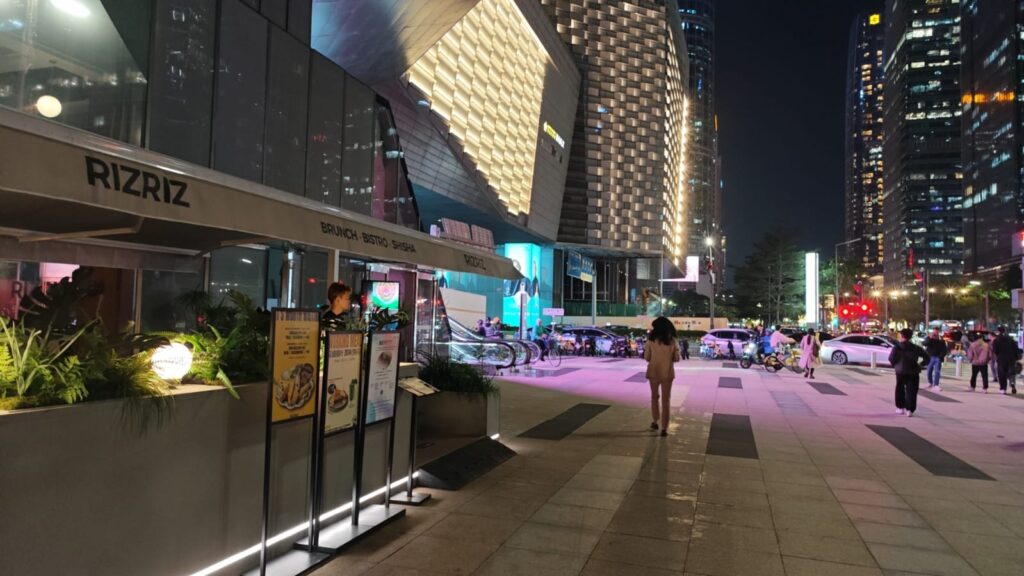
Shekou is a part of Nanshan known for its international community. It’s more expensive, but if you’re looking for a foreigner-friendly vibe, it’s a good choice.
Futian is another popular spot. It’s central and has good local feels. Perfect if you want a balance of expat amenities and local life. Futian can be a nice place if you want to live like a local.
Luohu offers the buzz of city life. Full of shops and markets, it’s lively and exciting. It’s also in the central part of the city, offering a deep local experience.
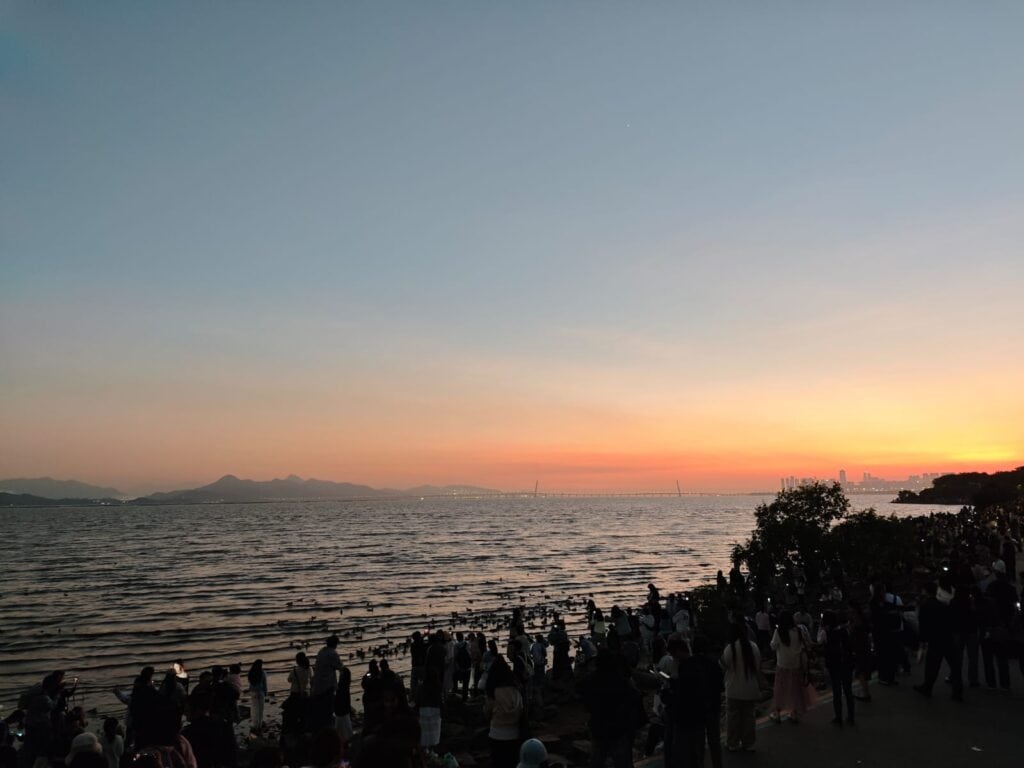
For families, Yantian offers a peaceful setting close to nature. It’s by the sea and a bit calmer compared to other districts.
Longgang and Bao’an are other districts that provide different experiences with a mix of residential and industrial areas. It’s worth checking them if you want something different. Think about what makes you comfortable and happy when choosing your district.
What are the Pros and Cons of Buying Property in Shenzhen?
Buying property in Shenzhen has its unique advantages and drawbacks. It’s important to consider factors like cost of living, the cleanliness of the city, modern amenities, and transportation options.
Pros of Buying Property in Shenzhen
👍 Green and Clean City
In Shenzhen the streets are wide, clean, well maintained and lined with trees. The city has numerous parks and gardens, offering you a welcome escape from the bustling urban life. This focus on greenery provides a refreshing atmosphere and contributes to improved air quality.
Efforts have been made to reduce pollution, making Shenzhen a healthier place to live. If you enjoy spending time outdoors and appreciate a well-maintained environment, Shenzhen’s commitment to greenery is a major perk.
👍 Shenzhen: New City
Shenzhen is a relatively new city with a modern vibe. It has rapidly transformed from a fishing village to a buzzing metropolis. Shenzhen is now characterized by its impressive skyline and cutting-edge architecture. Most of the buildings, especially in the central areas, are new, clean and beautiful. Apartments are newer and generally more spacious than in Hong Kong.
This sense of novelty can be exciting. The city’s spirit of innovation and adaptability means that new developments and opportunities are always on the horizon.
👍 Public Transportation and Travel
Public transportation in Shenzhen is efficient and widespread. The city has an extensive network of modern buses and subways, making it easy to get around without a car. Shenzhen also has bike sharing systems such as Ofo and Mobike.
China’s high-speed and regular rail services provide easy access to other major Chinese cities. Shenzhen’s airport doesn’t have that many international flights, but it’s easy to get to the nearby airports of Hong Kong or Guangzhou.
Cons of Buying Property in Shenzhen
👎 Shenzhen Cost of Living
This depends very much on your lifestyle. If you are living in a top area, in a luxury apartment, send your kids to international school, and eat in Western restaurants, then the cost of living is about the same as living in neighbouring Hong Kong.
For people who shop at local shops and eat in local restaurants, then life can be reasonably cheap.
👎 Traffic and Noise Congestion
Traffic congestion is another challenge. Though the transportation network is good, rush hours can be hectic. Additionally, rapid urbanization means some areas might experience noise and construction, impacting your living experience.
Are there any Pitfalls of Buying Property in Shenzhen as a Foreigner?
Buying property in Shenzhen can be quite tricky if you’re a foreigner. The rules are strict, and you may face several challenges. One major issue is that foreign passport holders often have trouble buying property directly. For example, Shenzhen policies might require setting up a company to own property, which adds complexity and cost.
Another pitfall is the lack of legal title deeds. Properties in Shenzhen sometimes come with issues in proving ownership. This is particularly true for Xiaochanquan properties, where getting a legal title deed can be difficult. Without proper documentation, proving you own the property becomes a hassle.
Loans can also be a problem. Many banks in China are hesitant to provide mortgage loans to foreigners. If borrowing is part of your plan, you may need to explore other financial options or face high down payments.
Lastly, it’s required that you use your property as a residence. Renting them out could be off-limits or come with additional legal hoops.
FAQs – Buying Property in Shenzhen
What is Shenzhen home ownership rate?
In Shenzhen, the home ownership rate is relatively low – around 25% only – compared to other major Chinese cities. Many residents prefer renting due to the high property prices. Properties are held by a small number of people and mostly used for investment purposes rather than to live in. Once the economy recovers and wages rise again, then this situation is expected to improve.
Is English commonly spoken in Shenzhen?
While Shenzhen is quite modern, English is not widely spoken in everyday situations. In business areas and among younger people, you might find more English speakers. It’s a good idea to learn some basic Chinese phrases.
How many expats live in Shenzhen?
Shenzhen is home to a diverse expat community. Many people from different countries live here, attracted by job opportunities and the dynamic economy. This multicultural environment might make settling in a bit easier for you.
