

How to Move to Estonia: Step-by-Step Guide

Moving to Estonia is easier than you might think, especially if you come prepared. This small country in the Baltic region of Northern Europe welcomes people from around the world with several visa options, a strong digital infrastructure, relatively low living costs and a good quality of life.
When I visited the capital of Estonia, Tallinn, I met with a few Americans and other foreign nationals who told me all about the visas you can choose from, the living and housing costs, and other important matters when considering a move to Estonia.
Table of Contents

Plan Your Property Investment
With My Trusted Resources
– Make money transfers for less with: Wise
– Book your flights and hotels: Trip.com
Booking.com
– Book your airport transfers here: Kiwitaxi
– Rent cars here: DiscoverCars
– Hire affordable shipping services here: Eurosender
✅ Step 1: Check Your Visa and Residency Options
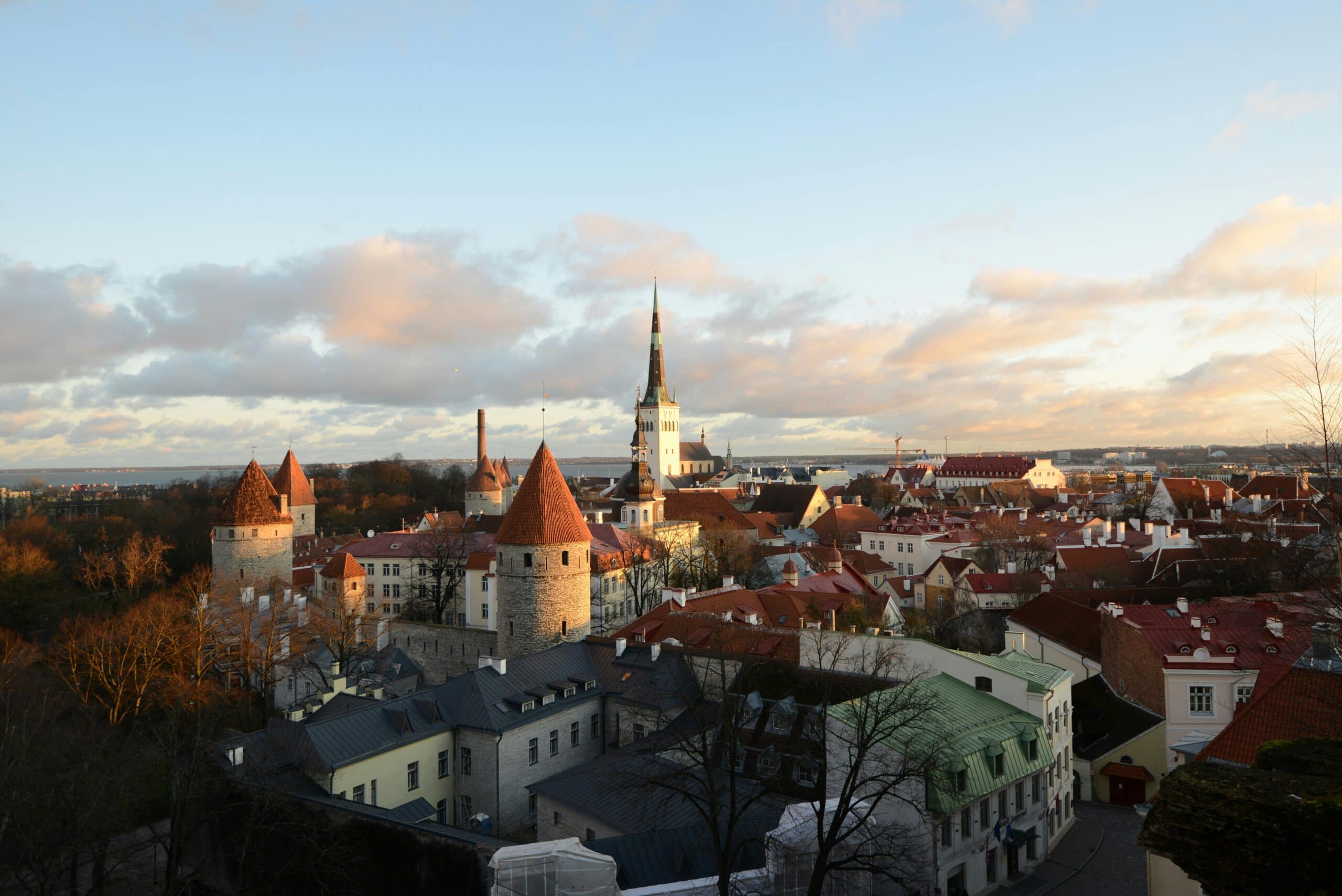
Before you move to Estonia, you need to figure out what kind of visa or residency permit you’ll need. Your requirements depend on where you’re from and how long you plan to stay.
Visa Options and Eligibility
If you’re a citizen of an EU or EEA country, you can move to Estonia without a visa. You have the right to live and work there freely. However, if you plan to stay longer than three months, you should register your residence with the local authorities.
For non-EU citizens, things work differently. If you’re from the United States or many other countries, you can visit Estonia for up to 90 days within a 180-day period without a visa. But if you want to stay longer, you’ll need a residence permit.
Several types of residence permits exist based on your purpose for moving. You can apply for a work permit if you have a job offer. Investment residence permits are generally tied to running a business or making a significant economic investment, rather than a simple property purchase. Minimum investment requirements vary: for sole proprietors, it can start from around €16,000, while larger business investments may require €65,000 or more.
The digital nomad visa allows remote workers to live in Estonia for up to 12 months, but you must demonstrate a stable monthly income of approximately €4,500 or more. Estonia also offers a start-up visa for entrepreneurs.
E-residency is a way to start a business from outside of Estonia whilst using public and private Estonian e-services and having access to the EU market. This e-residency does not give you a physical visa and may not be suited for you.
Owning property may support an application if connected to business or investment activities, but it does not automatically give you residency.
Essential Documents
You’ll need several key documents when you apply for Estonian residency. Start with a valid passport or national ID card that won’t expire soon. Most applications require proof of income or financial stability to show you can support yourself.
If you’re purchasing property in Estonia, include documentation like purchase agreements, property deeds, or proof of ownership.
All documents not in Estonian must be translated by a certified translator. You’ll also need to get certain documents authenticated or apostilled, depending on your home country. This means getting official stamps that verify your documents are legitimate.
❗Check with the Estonian embassy or consulate in your area about specific authentication requirements before you apply.
✅ Step 2: Plan Your Finances
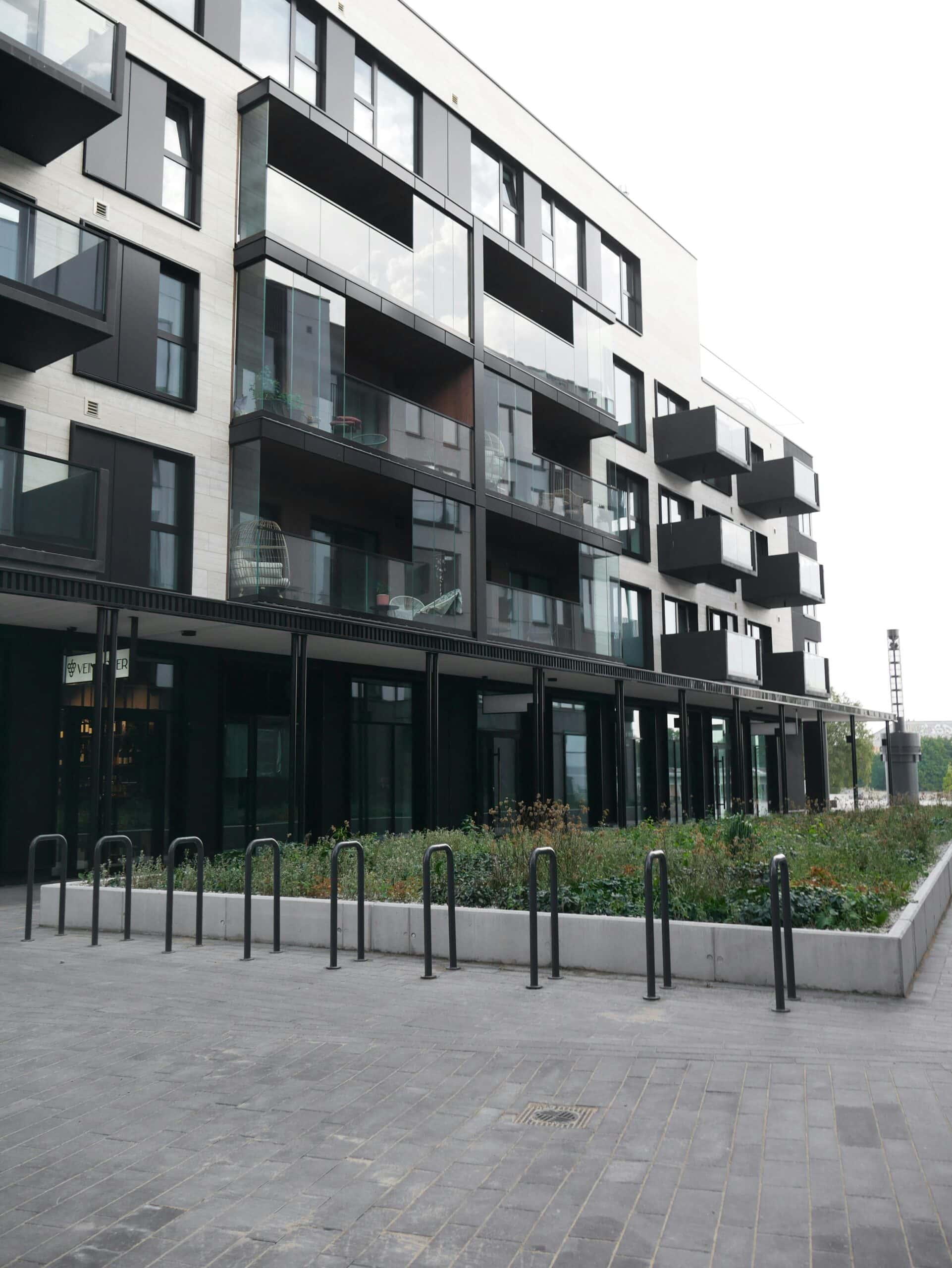
Estonia uses the euro and has a lower cost of living than most Western European countries, but you’ll need to budget for rent, utilities, groceries, banking setup, and various taxes that apply to both residents and foreign buyers.
👉 Cost of Living
Planning how to move to Estonia includes looking into your monthly expenses beforehand. You will want to know what to expect. Tallinn, for instance, tends to be pricier than smaller cities.
Rent Prices
You’ll pay €400-€600 for a one-bedroom apartment outside Tallinn’s city center. In the capital’s downtown area, expect €700-€1,000 monthly. Two-bedroom apartments range from €600-€800 in smaller towns and €1,000-€1,500 in central Tallinn.
Utilities and Bills
Monthly utilities for an 85-square-meter apartment typically cost €150-€200. This covers electricity, heating, water, and garbage collection. Internet and mobile phone plans are affordable, usually €15-€30 per month for high-speed connections.
Groceries and Daily Expenses
A single person spends about €200-€300 monthly on groceries. Eating out costs €10-€15 for a basic meal and €30-€50 at mid-range restaurants. Public transport passes run €23-€30 monthly in Tallinn, while other cities charge less.
👉 Banking and Currency
Opening a bank account is essential when you move to Estonia, especially if you’re planning to buy property. Most banks require you to visit in person with your passport and proof of address.
Major banks like LHV, Swedbank, and SEB serve foreigners, though some have stricter requirements for non-residents. A residence permit or long-term visa will make the process of opening an account much smoother. E-residents can open accounts with certain banks remotely.
Transferring funds for property purchase requires planning ahead. Banks typically need documentation showing the source of your money. International transfers can take 1-5 business days, and you might face currency conversion fees of 0.5-2%.
Head over to my Resources page for more useful recommendations for your property purchase process.
👉 Property Taxes and Fees
There is no property transfer tax or stamp duty in Estonia for buying a property. VAT of 24% is added to new-builds which is usually already included in the asking price. Land Registry fee ranges between €100 and €300.
Nearly all additional costs to the purchase price are professional services fees. Notary costs fall between €300 and €1,200. You may need to include translator fees to your budget for translating required documents into Estonian. An independent legal review and a technical inspection, especially for older buildings, could be necessary.
These costs combined could be less than 1% of your purchase price. This percentage could go up to 5 or 6% if you hire a buyer-side real estate agent.
The only recurring tax is a small annual land tax (0.1%-2.5% of the land value), and buildings themselves aren’t taxed.
Income tax is charged at a flat 20% rate for residents. Capital gains from selling property are taxed at 20% unless it’s your primary residence for at least two years.
Foreign buyers face the same property transaction fees as locals. However, your tax residency status affects income tax obligations. Non-residents only pay Estonian tax on income earned within Estonia, while residents pay tax on worldwide income.
✅ Step 3: Buy or Rent Property
Renting vs. Buying
Renting is a good idea when you first move to Estonia. You can test different neighborhoods and cities without a long-term commitment. There’s no minimum lease term required by law, so you can find rentals ranging from month-to-month agreements to multi-year contracts.
Buying property makes sense if you plan to stay long-term. Real estate prices in Estonia remain affordable compared to other European countries. You’ll build equity instead of paying rent, and you can customize your living space however you want.
Legal considerations for foreigners are minimal. EU citizens can buy property without any restrictions. Non-EU citizens can also purchase real estate freely, though you’ll need proper identification and tax registration.
Rent-to-own arrangements exist as a middle ground. This option lets you secure a property with a smaller upfront payment while working toward full ownership over time.
Finding a Property
Online platforms make property hunting easy from anywhere in the world. City24.ee and KV.ee are the two largest real estate portals in Estonia. Both offer English-language options and detailed property listings with photos and neighborhood information.
Real estate agencies can help narrow your search based on your budget and preferences. Many agents in larger cities speak English and understand the needs of foreigners moving to Estonia.
Cities in Estonia
📍Tallinn
The capital offers the most housing options and the highest prices. A one-bedroom apartment in the city center costs around €600-900 per month to rent. Buying an apartment costs €2,000-3,500 per square meter, depending on the district.
📍Tartu
Estonia’s second-largest city has a strong student population and lower costs. Rent for a one-bedroom apartment averages €400-600 monthly. Property prices range from €1,500-2,500 per square meter.
📍Pärnu
This coastal resort town attracts retirees and summer visitors. Rental prices sit between €350-550 for a one-bedroom apartment. Purchase prices typically fall between €1,200-2,000 per square meter.
Legal Process for Buying Property
Property ownership works the same way for foreigners as it does for Estonian citizens. You can own land, apartments, and houses without restrictions. The property registration system is fully digital and transparent.
The buying process requires a notary to verify the transaction. You’ll sign the purchase agreement at a notary’s office, where they’ll check that the seller has a clear title and that all documents are in order. The notary then submits the transfer to the Land Register.
Registration with the Land Register typically takes 1-3 business days. You become the legal owner once the registration is complete. Estonia’s digital infrastructure allows you to track the status online.
✅ Step 4: Settle In and Handle Essentials

Once you move to Estonia, you’ll need to get familiar with your new surroundings and set up healthcare coverage.
Practical Neighborhood and City Insights
Estonia has a pretty cold climate, especially in winter when temperatures drop below freezing. You’ll want to pick a neighborhood with good heating and close access to public transport since buses and trams are the main way people get around in cities like Tallinn and Tartu.
Most neighborhoods have grocery stores, pharmacies, and cafes within walking distance. The bigger cities have more English speakers, which makes daily tasks easier when you first arrive.
Public transport uses a card system. In Tallinn, residents can ride for free if they register their address with the city. You’ll need to get a transport card and load it with credit for other cities.
Safety is generally good across Estonia. Crime rates are low, and most neighborhoods are safe to walk around at night. The lifestyle is quiet and digital-focused, with most services available through apps and websites.
Healthcare and Insurance
Estonia has a public healthcare system that covers residents who contribute to social tax through employment. When you move to Estonia and start working, you automatically get access to this coverage.
You’ll need to register with a family doctor once you have your residency permit. This doctor becomes your main point of contact for medical issues and referrals to specialists.
If you’re self-employed or not working yet, you might need to pay for private health insurance until you qualify for public coverage. The costs are reasonable compared to many other countries. Many expats use a mix of both public and private insurance to cover things like dental work, which isn’t fully covered by the public system.
How to Move to Estonia: Frequently Asked Questions
How easy is it for foreigners to move to Estonia?
Moving to Estonia is relatively straightforward, especially if you’re an EU citizen. EU nationals can live and work in Estonia without a visa or residence permit. You just need to register your residence if you plan to stay longer than three months.
Non-EU citizens face a bit more complexity. You’ll need to apply for a residence permit before you move to Estonia. The most common options include work permits, business visas, and the Digital Nomad Visa. Estonia’s e-Residency program allows you to start and manage a company online, but it does not grant the right to live or work in Estonia.
The application process is mostly digital, which matches Estonia’s tech-forward reputation. Processing times typically range from 1-3 months, depending on your permit type. You’ll need documents like proof of income, health insurance, and a clean criminal record.
Estonia also offers free consultation services through the International House of Estonia in Tallinn. These services help you understand requirements specific to your situation.
What is the cost of living in Estonia?
Estonia offers affordable living compared to most Western European countries. Your monthly expenses will vary based on location, with Tallinn being the most expensive city.
Average Monthly Costs (Single Person):
- Rent (1-bedroom apartment in city center): €500-€700
- Rent (1-bedroom outside center): €350-€500
- Groceries: €200-€300
- Public transport pass: €23-€25
- Utilities (basic): €100-€150
- Internet: €15-€30
- Meal at an inexpensive restaurant: €10-€15
A single person can live comfortably on €1,000-€1,500 per month, excluding rent. With rent included, budget €1,500-€2,200 monthly. Families should expect to spend €3,000-€4,000 monthly depending on their lifestyle.
Healthcare is affordable and high-quality. Most residents pay into the public healthcare system through employment taxes.
Can foreigners find work in Estonia?
Foreigners can definitely find work in Estonia, particularly in certain sectors. The tech industry is the strongest job market for international workers. Estonia’s reputation as a digital hub creates constant demand for IT professionals, developers, and cybersecurity experts.
English is widely spoken in business settings, especially in Tallinn. Many companies operate entirely in English, so you don’t necessarily need Estonian language skills initially. However, learning Estonian will expand your opportunities beyond tech and international companies.
Other sectors hiring foreigners include customer service, finance, marketing, and education. Teaching English is an option, though it pays less than tech jobs. The average salary for foreigners in tech roles ranges from €2,000-€4,000 monthly.
Job hunting platforms like CV Keskus, Work in Estonia, and LinkedIn are your best resources. Networking events in Tallinn’s startup scene can also lead to opportunities.
Is a €3,000 monthly salary considered good in Estonia?
A €3,000 monthly salary is considered very good in Estonia. This puts you well above the national average salary, which hovers around €1,600-€1,800 gross per month.
With €3,000 gross monthly, you’ll take home approximately €2,200-€2,400 after taxes. This allows for comfortable living with significant savings potential. You can afford a nice apartment in Tallinn’s city center, regular dining out, travel, and still save money each month.
This salary level is typical for experienced professionals in tech, finance, and management positions. Entry-level positions in these fields start around €1,500-€2,000 gross.
Your €3,000 salary goes much further in Estonia than equivalent salaries in Western Europe. You’ll enjoy a higher quality of life compared to earning the same amount in cities like London, Paris, or Amsterdam.
Conclusion
Moving to Estonia becomes much easier when you break the process into clear steps. Start by choosing the right visa or residence permit, plan your finances carefully, and decide whether renting or buying property fits your long-term plans.
Estonia’s transparent property market and digital government services make it relatively straightforward for foreigners to settle in once they complete the required paperwork. With careful planning and the right documentation, you can move to Estonia and start building your new life with confidence.
