
What Types of Property Can You Buy in Medellín?

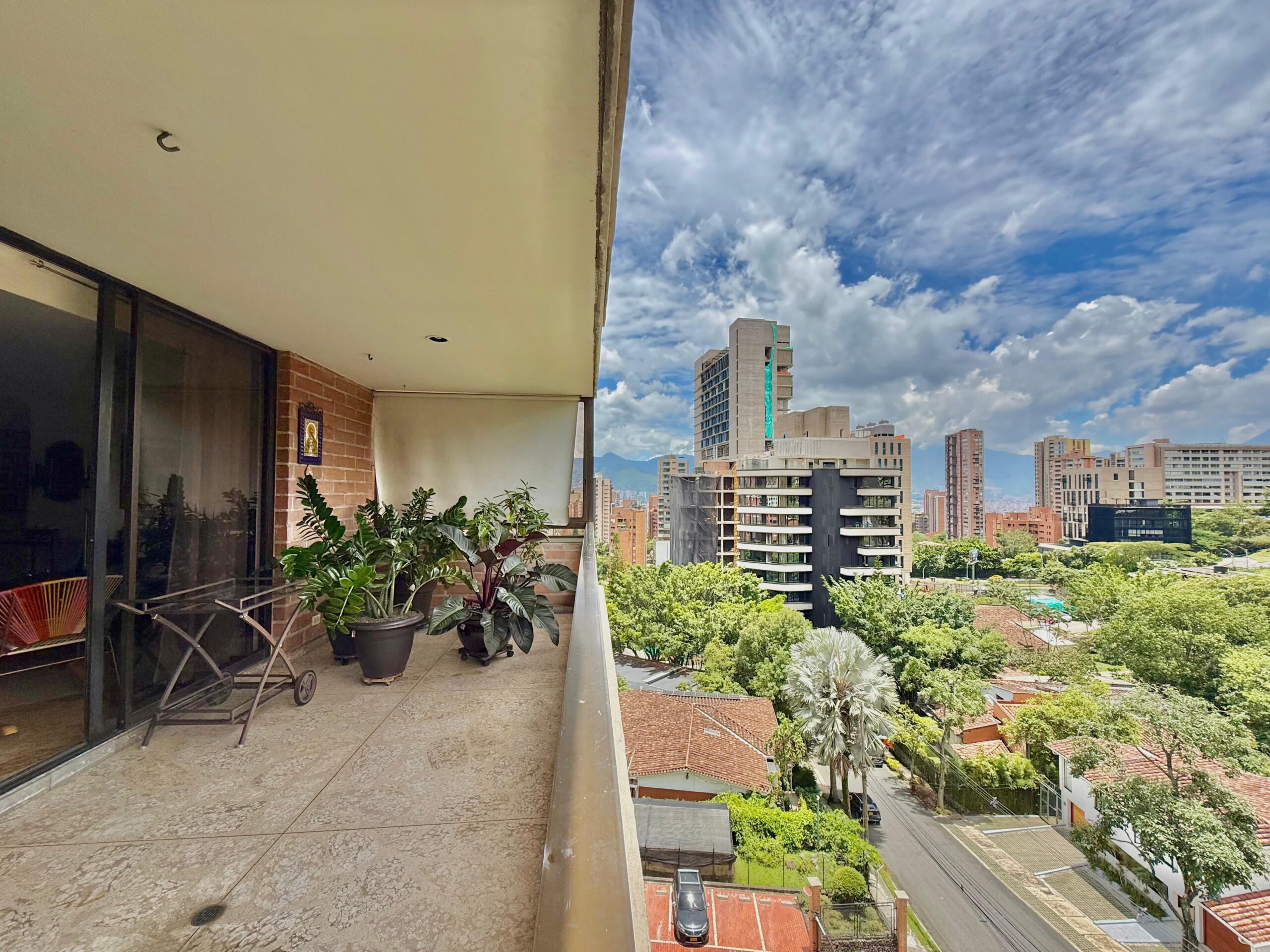
When most people picture buying in Medellín, they picture a modern apartment in El Poblado with a view over the valley. That’s one option, but it’s far from the only one.
You can buy a flat in a gated complex, a family house in Envigado, a penthouse in the hills, or a finca in the green countryside east of the city. Each one comes with its own running costs, rules and lifestyle. Pick the wrong type and a great deal on paper can turn into a daily frustration.
I’ve spoken with local real estate agents and long-term expats about what owning each type is really like. In this guide, I walk you through the main property types in Medellín, what to check before you buy, and which ones suit retirees best.
Medellín is my favorite place in Colombia, and I’ve written several more articles on the city. You’ll find them all in my Medellín Property & Relocation Guide.

Plan Your Property Investment
With My Trusted Resources
– Make money transfers for less with: Wise
– Book your flights and hotels: Trip.com
Booking.com
– Book your airport transfers here: Kiwitaxi
– Rent cars here: DiscoverCars
– Hire affordable shipping services here: Eurosender
Table of Contents
Main Property Types in Medellín at a Glance
| Property type | Where you’ll find it | Best for | Watch out for |
|---|---|---|---|
| Apartment in a gated complex | El Poblado, Laureles, Envigado, Sabaneta, Belén | Most buyers, retirees, lock-and-leave owners | Monthly admin fees, building rules |
| Off-plan (new build) apartment | Sabaneta, Envigado, El Poblado, Rionegro | Buyers with time and a bigger discount in mind | Delays of months or years |
| House or townhouse | Envigado, Laureles, Belén, Sabaneta | Families, buyers who want space and a garden | Security and upkeep |
| Penthouse or luxury home | El Poblado hills, Las Palmas | High-end buyers who want views and privacy | High fees, harder to resell |
| Finca (country house) | Llanogrande, Rionegro, El Retiro, La Ceja | Nature lovers who don’t mind driving | Water rights, access roads, maintenance |
Apartments in Gated Complexes (Unidades Cerradas)
This is what most foreigners buy in Medellín, and for good reason. A unidad cerrada is a residential complex with one or more apartment towers behind a gate.
You typically get:
- 24-hour security and a front desk (portería)
- A pool, gym, playground or BBQ area, depending on the building
- Covered parking, often with a storage room (útil)
- A building manager who handles repairs and shared spaces
For anyone who travels a lot, or who plans to spend part of the year back home, this is the easiest option. You lock the door and leave.
Monthly Admin Fees (Cuota de Administración)
Every apartment in a complex pays a monthly administration fee. It covers security staff, cleaning, maintenance of shared areas and the building’s insurance.
The fee depends on the size of your unit and on the amenities. Real examples from Medellín put it at roughly 0.9% to 1.6% of the property’s value per year. That can be more than your annual property tax (predial), so ask for the exact fee before you make an offer.
Estrato
Every property in Colombia sits in an estrato from 1 to 6. The estrato sets how much you pay for water, electricity and gas. Most foreign buyers focus on estrato 5 and 6 areas, such as El Poblado and parts of Laureles. These areas have better infrastructure and security, but also higher utility bills. I explain the system in more detail in my Medellín property prices guide.
Older vs Newer Buildings
- Older buildings (20+ years): bigger rooms, larger balconies and lower prices per square meter. Many need updating, and some don’t have a pool or gym.
- Newer buildings: modern finishes, more amenities and often better views, but smaller units and higher admin fees.
An older apartment that needs work is one of the cheapest ways into good neighborhoods like Laureles or Envigado. Having bought and renovated an apartment in Montenegro myself, I know a renovation abroad always takes longer and costs more than planned. Budget for that before you commit.
Off-Plan (Sobre Planos) vs Resale
Medellín has a lot of new construction, especially in Sabaneta, Envigado and Rionegro. Many of these projects are sold before they’re built. This is called buying sobre planos (off-plan).
How Off-plan Buying Works
- You usually pay 20% to 30% of the price in installments during construction.
- The balance is due when the apartment is delivered.
- Construction typically takes two to four years.
- Your payments go into a fiducia, a trust company that holds the money and releases it to the developer as the project meets set conditions.
The Upsides
- A lower entry price than buying the same unit when it’s finished
- Years to spread your payments
- A brand-new apartment with no previous owner
The Risks
- Delays are common. Colombia has more than 70,000 new homes that haven’t been delivered, and thousands of buyer complaints have been filed against developers in recent years.
- The fiducia isn’t a full guarantee. Colombia’s financial regulator has sanctioned several trust companies for not following their own agreements.
- You’re usually paying cash. Most foreigners can’t get a Colombian mortgage, so there’s no bank checking the developer on your behalf.
If you go off-plan, choose a developer with a track record of finished projects, visit their completed buildings, and have your own lawyer review the contract. Don’t rely on the developer’s lawyer.
Resale (Usado)
With a resale property, what you see is what you get. You can check the building, meet the neighbors, see the real admin fee and move in within weeks. The key document is the Certificado de Tradición y Libertad, which shows the ownership history and any debts on the property. I cover the full process in my guide on how to buy property in Colombia as a foreigner.
For most retirees, a resale apartment is the safer choice. You’re not waiting years for your new home, and you know exactly what you’re buying.

Short-Term Rentals: Check the Building Before You Buy
Many buyers plan to rent their apartment on Airbnb while they’re away. In Medellín, whether you can do that depends on the building, not the city.
- Stays under 30 days count as short-term rentals. Longer rentals are allowed in any building.
- The building’s rules decide. Each complex has its own bylaws, called the Reglamento de Propiedad Horizontal, under Ley 675 of 2001. They state whether rentals of less than 30 days are allowed.
- Changing the rules is hard. Owners usually need a 70% vote, and the change can take 12 to 18 months to go through.
- You’ll need to register. Short-term rentals must be listed on the National Tourism Registry (RNT) and pay tourism taxes.
- Fines are steep. Breaking the rules can cost up to 100 times the monthly minimum wage, around USD 40,000 in 2026.
Before you make an offer, ask the building manager for a copy of the reglamento and read the section on rentals. Buildings that allow short-term rentals usually sell for more per square meter. They can also be noisier, with more strangers in the elevators and at the pool.
If you’re buying a home to live in, a building that bans short-term rentals can be a plus. It usually means quieter corridors and neighbors who stay.
Houses and Townhouses
Houses are less common than apartments in Medellín, but they’re out there, especially if you want more space or a small garden.
Where to look:
- Envigado: the classic choice for families. It has a traditional feel, good schools and clean, well-run streets. Neighborhoods like Otraparte, Jardines and Las Cumbres mix houses with low-rise buildings.
- Laureles: flat, tree-lined streets with older two-story houses. Many have been turned into apartments or offices, so whole houses are rarer here.
- Belén: a large, mostly local area with flat streets and good transport links. Houses cost less here than in the areas above.
- Sabaneta: a mix of older houses and new townhouse projects, often inside gated complexes.
Standalone House vs Townhouse in a Complex
A standalone house gives you the most privacy and space. But you’re responsible for your own security, repairs and maintenance. Many owners add bars, cameras or an alarm system.
A townhouse (casa en unidad cerrada) sits inside a gated complex. You get the space of a house with the security of an apartment building, plus a monthly admin fee. For most foreigners, and especially for anyone who will leave the property empty for months, this is the better choice.
Things to Check
- The slope. Much of Medellín is built on hills. A house on a steep street can be hard to reach on foot, and harder still as you get older.
- Damp and drainage. Medellín gets heavy rain, so check for damp walls, roof leaks and where water runs off during storms.
- Parking. Many older houses in Laureles and Belén have little or no parking.
Penthouses and Luxury Homes
At the top end, Medellín offers penthouses with private terraces and views across the whole valley, as well as large homes with gardens and pools.
Where to look:
- El Poblado hills: areas like Los Balsos, El Tesoro and Las Lomas have high-end towers with private security and some of the best views in the city.
- Las Palmas: the road that climbs from El Poblado toward the airport. It’s known for elegant estates and gated homes surrounded by greenery.
- Envigado’s upper areas: large family homes and luxury developments, a little quieter than El Poblado.
What to Keep in Mind
- Fees scale up. Admin fees are based on the size of your unit, so a 200 m² penthouse pays far more than a 70 m² apartment in the same building.
- Reselling takes longer. Far fewer buyers can afford the top of the market, so plan to hold the property for the long term.
- Hills mean driving. Most luxury areas are up the mountainside. You’ll rely on a car or taxis, and traffic on the roads up to El Poblado can be heavy at peak times.
A penthouse in Medellín still costs a fraction of what you’d pay in most of Europe or North America. Just make sure you’re buying it for the lifestyle rather than for a quick return.

Fincas in Eastern Antioquia
A finca is a country house, usually with land. East of Medellín, on the plateau around Rionegro, you’ll find a green, cooler region full of them. The best-known areas are Llanogrande, Rionegro, El Retiro and La Ceja.
This area has grown fast. Medellín’s international airport (José María Córdova) is in Rionegro, and more and more people now live out here full time.
Why People Love it
- Cleaner air and cooler temperatures than the city
- Much more space for your money. Prices per square meter are often well below El Poblado.
- Peace and quiet, with gardens, mountain views and room for pets
- Close to the airport, which is handy if you fly home often
What to Check Before You Buy
- Water rights. Many fincas get their water from a spring or stream. Make sure the property has a legal water concession (concesión de aguas) from the regional environmental authority, and that the tanks and pipes work.
- Access road. Some fincas sit at the end of dirt tracks that turn to mud in the rainy season. Check that there’s a legal right of way (servidumbre de paso) if the road crosses someone else’s land.
- Zoning and title. Check the local land-use plan (POT) if you want to build or extend. Your lawyer should review at least 20 years of ownership history on the Certificado de Tradición y Libertad.
- Upkeep. Gardens, pools and land need regular care. Most finca owners pay a caretaker (mayordomo) or a gardener.
The Honest Trade-off
You will need a car. Shops, clinics and restaurants are spread out, and the drive into Medellín can take up to an hour with traffic. A finca is a lifestyle choice more than an investment. It suits people who want nature and space, and who are happy to drive for everything else.
A middle ground is a house or apartment in a gated complex in Llanogrande or Rionegro. You get the countryside setting and cleaner air without looking after land yourself.

Which Property Type Suits Retirees Best?
If you’re planning to retire in Medellín, the right property is the one that still works for you in 10 or 15 years. A few things matter more than the view.
- Flat ground. Medellín is a city of hills, and some streets in El Poblado are steep. Laureles, Belén, central Envigado and Sabaneta are much easier to walk.
- An elevator. Many older low-rise buildings don’t have one. A third-floor walk-up is fine at 60, but it can be a real problem at 75.
- Clinics and hospitals nearby. Medellín has excellent private healthcare, but you want it close, not a 40-minute drive away. See my guide to healthcare abroad for more.
- The metro and shops within walking distance. Being able to run errands without a car keeps daily life simple.
- Noise. Avoid buildings near nightlife areas like Parque Lleras or Provenza. A building that bans short-term rentals is usually quieter too.
- Lock-and-leave. If you’ll split the year between Medellín and home, a gated complex with 24-hour security means you can leave without worrying.
My take: for most retirees, the best fit is a resale apartment in a gated complex with an elevator, in a walkable area like Laureles, Envigado or Sabaneta. Save the finca or the penthouse for later, once you know the city and how you want to live in it.
For help choosing an area, see my guide to the best neighborhoods in Medellín for expats, and my wider guide to retiring abroad.
What Does Each Property Type Cost?
Here’s a rough guide to what you’ll pay for each type in 2026:
| Property type | Typical price range |
|---|---|
| Budget one-bedroom apartment (Sabaneta, Bello) | USD 50,000 to 80,000 |
| Modern two-bedroom apartment in a good area | USD 100,000 to 200,000 |
| Entry-level house in an outer neighborhood | USD 80,000 to 120,000 |
| Mid-range house with a yard (Envigado, Laureles) | USD 150,000 to 300,000 |
| Upscale house (El Poblado hills, Envigado) | USD 400,000 to over 1 million |
| Penthouse in El Poblado | USD 800,000 to over 1 million |
On top of the price, budget 1.5% to 2.5% for closing costs, plus your lawyer’s fees.
For prices per square meter by neighborhood, and a full breakdown of taxes and fees, see my Medellín Property Prices 2026: Poblado to Envigado guide. If you’re weighing Medellín up as an investment, my post on the best areas for property investment in Medellín compares rental demand and yields by area.
Head over to my Resources page for more useful recommendations for your property purchase process.
Types of Property in Medellín: Frequently Asked Questions
Can foreigners buy any type of property in Medellín?
Yes. Foreigners have the same ownership rights as Colombians and can buy apartments, houses, fincas and land. You only need a valid passport to start the process.
What is the most popular property type for expats in Medellín?
An apartment in a gated complex (unidad cerrada). It offers 24-hour security, shared amenities and very little maintenance, which suits people who travel or split their year between two countries.
What is a unidad cerrada?
A gated residential complex with shared security, gardens and amenities such as a pool or gym. Owners pay a monthly admin fee to cover these services.
Is it safe to buy off-plan in Medellín?
It can be, but delays are common and your money isn’t fully protected. Choose an experienced developer, check that payments go through a fiducia, and have your own lawyer review the contract.
Can I rent out my Medellín apartment on Airbnb?
Only if the building’s rules (Reglamento de Propiedad Horizontal) allow rentals of less than 30 days. You’ll also need to register on the National Tourism Registry (RNT). Always check the rules before you buy.
What is a finca?
A country house, usually with land, often in the green region east of Medellín around Llanogrande, Rionegro and El Retiro.

Conclusion: Choosing the Right Property Type in Medellín
Medellín gives you far more choice than most people expect. You can buy a gated apartment in the city, a townhouse in Envigado, a penthouse in the hills or a finca in the countryside.
The right choice comes down to how you want to live day to day. Think about walking versus driving, lock-and-leave versus space and privacy, and a quiet building versus rental income. Get that clear first, and the property type usually picks itself.
Whatever you choose, check the admin fees, the building rules and the ownership history before you sign anything. And if you’re still deciding whether Medellín is right for you, read my honest take on the real pros and cons of living in Medellín.
If you’d like a second opinion on a property or an area, you can book a 1-on-1 call with me, or simply email me. And if you’d rather chat with others going through the same process, come and join my Facebook group.




Want the bigger picture? I’ve pulled together everything I know about buying and living in Medellín in my Medellín Property & Relocation Guide.
